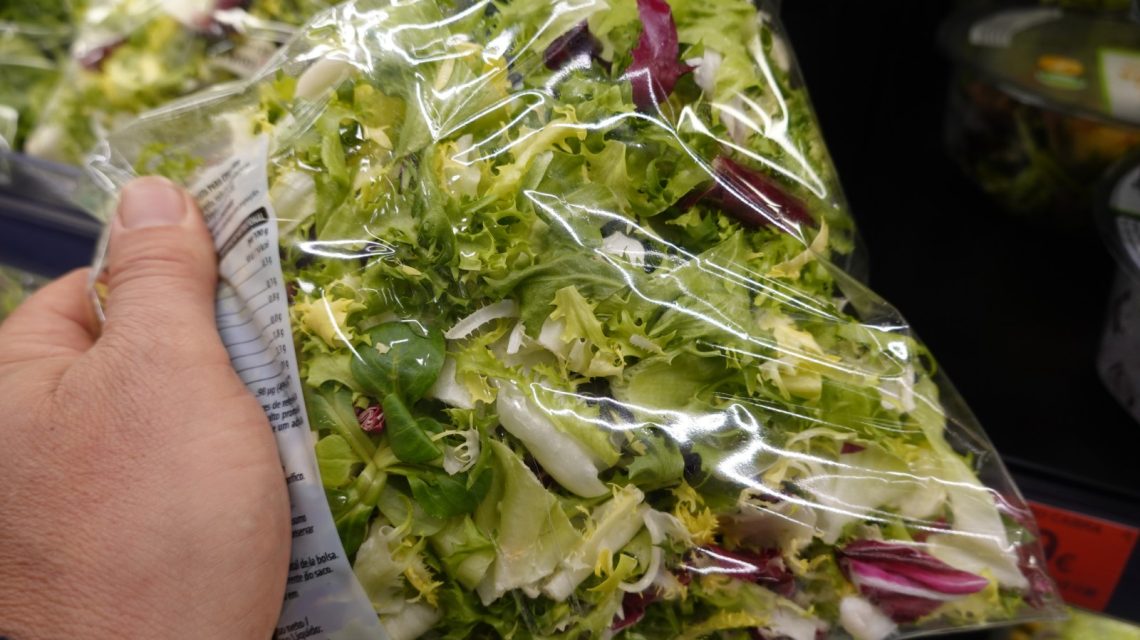
A Cyclospora outbreak linked to iceberg lettuce has affected at least 1,947 people across nine U.S. states. This event stands as one of the most significant outbreaks of the parasite recorded in the country. Although it has not yet exceeded the record set in 2019, health authorities anticipate more cases due to delays in detection.
The Centers for Disease Control and Prevention (CDC), Food and Drug Administration (FDA), and state health officials are investigating. Federal agencies have traced the outbreak to iceberg lettuce from central Mexico, prompting a recall by Taylor Farms de Mexico. Newsweek sought a comment from Taylor Farms via email outside normal business hours.
On July 17, Taylor Farms recalled all iceberg lettuce from central Mexico. The CDC advises consumers not to eat recalled lettuce and to dispose of or return the product. The agency is also investigating other independent Cyclospora outbreaks across the nation.
As of July 24, 1,947 direct cases were identified, including 98 hospitalizations and no deaths, in Illinois, Indiana, Kansas, Kentucky, Michigan, Ohio, Oklahoma, Pennsylvania, and West Virginia.
Understanding Cyclospora
Cyclospora is a parasite (Cyclospora cayetanensis) that affects the small intestine, causing cyclosporiasis. Infection occurs through consuming contaminated food or water, especially produce exposed to tainted water or poor sanitation. It does not typically spread from person to person immediately, as the parasite requires environmental maturation.
Symptoms manifest about a week post-exposure and include diarrhea, appetite loss, weight loss, stomach cramps, bloating, nausea, fatigue, and sometimes vomiting or low-grade fever. With antibiotics, healthy individuals usually recover, although untreated symptoms can last weeks or months.
Major Cyclospora Outbreaks
The current outbreak is among the largest in U.S. history. The confirmed cases connected to Taylor Farms number 1,947. Since May 1, the CDC confirmed 4,173 domestic cases overall and is aware of more than 7,400 additional cases pending further examination.
Cyclospora gained recognition as a foodborne illness in North America in the mid-1990s following an outbreak tied to Guatemalan raspberries, affecting 1,465 individuals across the U.S. and Canada. This led to a suspension of Guatemalan raspberry exports and the disease’s classification as nationally notifiable in 1999.
In 2013, multiple food sources caused another significant outbreak. Cases in Iowa and Nebraska linked to Mexican salad mix, while Texas cases were connected to fresh cilantro from Mexico. The largest outbreaks followed: in 2018, McDonald’s salad mix caused 2,299 cases, and in 2019, Mexican basil led to 2,408 cases, marking the largest U.S. outbreak.
Potential for Increase
The CDC warns that the outbreak could grow as determining connections to it takes up to six weeks. Additional confirmed cases are likely even with the recalled products removed. Many Cyclospora infections go unreported as not everyone gets tested.
The FDA indicates Taylor Farms’ iceberg lettuce from central Mexico remains a focus. Consumers should continue avoiding recalled items.
Taylor Farms’ Response
Taylor Farms prioritizes food safety and has outlined actions it has taken, noting that linked products tested negative for Cyclospora. The company stressed its commitment to fresh produce’s health benefits and the safety of its food.
They recalled potentially impacted products, expanded this action to a broader recall of all iceberg lettuce from central Mexico, and halted related production. Independent experts are reviewing practices at their facility, with operations suspended until July 18. The FDA confirms no positive Cyclospora samples as of July 24, 2023.
Taylor Farms expressed confidence in their food safety systems and pledged transparency as more information emerges.
 Understanding and Addressing the Complexity of Suicide
  Recall of Meat Products from Star Meat Delivery Inc.
  Questions Arise After Presley Gerber’s Death in Rehab
  Upcoming Concerns and Influence in Health Politics
  Fraud Task Force Saves Billions by Tackling Obamacare Misuse
  Presley Gerber’s Passing Raises Addiction Recovery Concerns