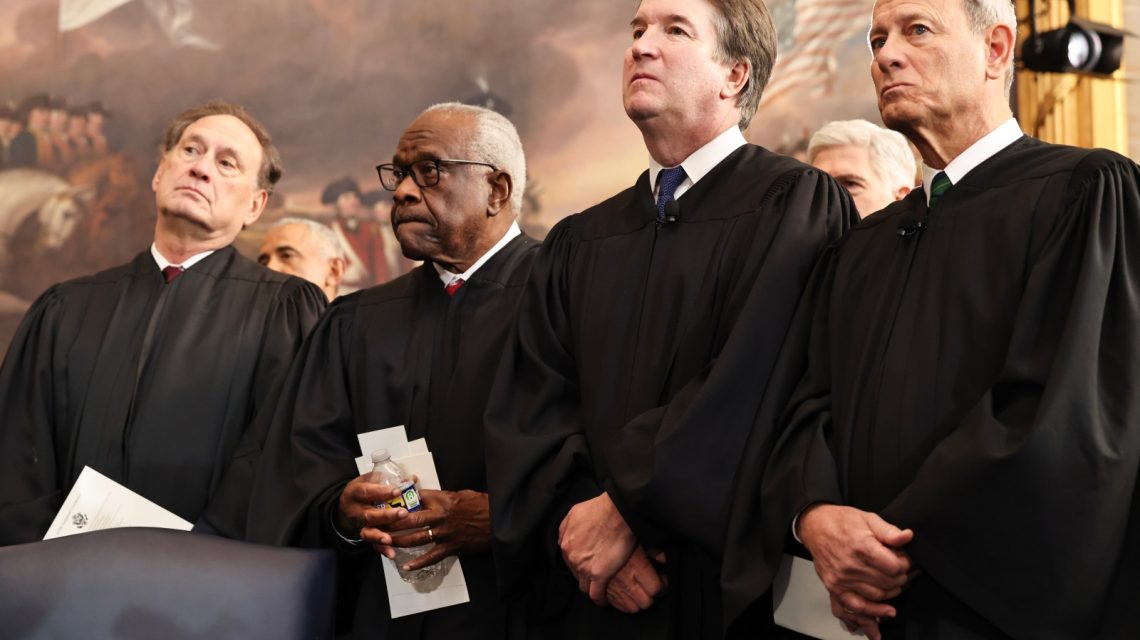
As public confidence in the Supreme Court falls to record lows, Democratic lawmakers are pushing to reform the U.S. judicial branch. Their efforts include proposals for a constitutional amendment and legislation to replace lifetime appointments with 18-year terms. Supporters argue these changes would modernize the court and restore trust, while critics warn of potential threats to judicial independence.
Challenges Facing Supreme Court Reform
Despite growing Democratic support, these proposals face significant challenges. Republicans control Congress, constitutional amendments are tough to pass, and legal experts disagree on whether term limits can be enforced through legislation alone. However, the efforts continue to gain momentum on Capitol Hill.
The Case for Change
California Democratic Representative Ro Khanna has been a vocal advocate for Supreme Court reforms, highlighting a 2024 Fox News poll where 78% of voters supported 18-year term limits for justices. Khanna introduced legislation to reflect this popular support, emphasizing that the court has lost its moral authority.
Why Reform Now?
The Democratic push aligns with recent shifts in the court’s composition, creating a 6-3 conservative lean. This change followed President Donald Trump’s appointments of Neil Gorsuch, Brett Kavanaugh, and Amy Coney Barrett. Consequently, the court has impacted key issues like abortion rights, gun laws, and federal powers. Ethical controversies involving some justices have also fueled reform discussions.
Bipartisan Support Among Voters
While the Democratic-led reforms face resistance from Congress, public polls show broad support for term limits. Recent polling reveals growing co-sponsorship of relevant proposals, reflecting democratic efforts to connect with popular sentiment. Although conservative critics push back, emphasizing judicial independence, many Americans support new checks on judicial tenure.
Inside Term-Limit Proposals
Maryland Representative John Olszewski has called for a Constitutional amendment for 18-year term limits. Jaime Lennon, his communications director, stresses the bipartisan public support. Democrat Hank Johnson of Georgia reintroduced similar legislation, proposing senior status roles for justices post-term, allowing them to fill vacancies as needed. His proposal now has significant Democratic co-sponsorship.
The Debate on Judicial Appointments
Kanna also supports Johnson’s bill and previously proposed legislation with Representative Don Beyer to allow regular two-year appointment intervals, ensuring predictable nomination opportunities for presidents. The main difference between the proposals is their impact on sitting justices—Khanna’s exempts them from changes, while Johnson’s does not.
Polling and Public Opinion
Surveys show that Supreme Court approval fell sharply with recent conservative decisions. A Marquette Law School poll shows 61% believe the court favors Trump-aligned outcomes, while an NBC survey reported only 22% of voters maintain strong confidence in the court. Fox News found 78% support for term limits, with increasing demand for reform amid ethical concerns.
The Road Ahead for Supreme Court Reform
Despite substantial public support, reform efforts face uphill battles. The current Democrat-driven push for change hits institutional obstacles. Still, the party persists, believing declining confidence in the court will sustain the debate. Republican leaders, claiming partisan motives, remain resistant. The chances of passing reform in the present Republican-controlled Congress are slim. Yet, as Democratic co-sponsorship grows, the issue rises on the judiciary agenda, signaling an expanding political debate. Though actual reform remains uncertain, discussion around Supreme Court term limits gains traction beyond just Democratic voters.
 Challenges Facing the Supreme Court’s Public Perception
  California Democratic Aide Arrested for Visa Overstay by Federal Authorities
  Experts Doubt Export Ban Will Lower Fuel Prices
  Trump Delivers Warning to Iran, Cuba at UN General Assembly
  Trump Delivers Stern UN Speech on Iran, AI, and Global Security
  Lukashenko and Putin’s Unique Relationship and Belarus’ Strategic Role