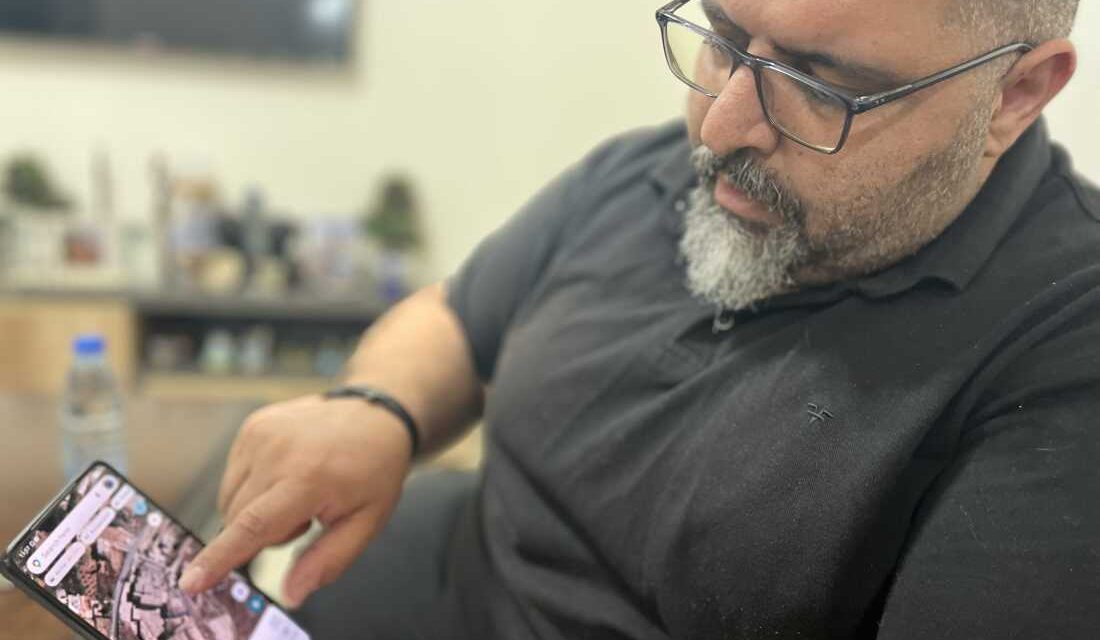
BEIRUT, Lebanon — Satellite images reveal the devastation in the Christian section of the southern Lebanese village of Yaroun. Residents like Mazen Farah observe the damage remotely, pointing out the destruction of homes that include a stone house built by his father, following 25 years of labor in the Gulf.
Farah identifies a convent in Yaroun, claimed by residents to have been dismantled, with Israel countering the claim by referencing a different building. Despite evidence from satellite images and videos, Israel denies striking the convent. Residents, displaced due to renewed conflict with Hezbollah, use satellite imagery to assess property damage.
March airstrikes by Israel displaced numerous residents across over 100 villages, with bulldozer operations continuing post-ceasefire in April. Despite targeting Hezbollah infrastructure, Israel provides limited evidence. Defense Minister Israel Katz expressed intentions to depopulate villages near the border, aiming to establish a buffer zone for northern Israel’s security. Restrictions prevent displaced residents from revisiting their homes, with fears of retaliation deterring documentation efforts.
“Either somebody each time will buy it or we have to get the funds in a certain account and buy it,”
Farah notes concerning satellite imagery purchases. Over $112 per image is frequently refunded due to provider limitations on geolocation requests. April brought further image access restrictions at the U.S. government’s request.
Geryes Saloum, a municipal worker, mentions anxiety over imagery, adding, “Every day, I wait for a picture to arrive from Yaroun.”
Following a ceasefire in November 2024, significant investments were made to restore local utilities. Yet, escalating conflicts, fueled by U.S. and Israeli engagements with Iran, reached southern Lebanon.
Yaroun’s mayor reports extensive structural damage amidst renewed conflict. Official requests to the Israeli military remain unanswered regarding the village’s destruction.
Following Hamas-led attacks, the Gaza War prompted a broader conflict involving Israel and Hezbollah by October 2023. Subsequent Israeli airstrikes considerably impaired Yaroun’s infrastructure, eradicating numerous cultural and religious landmarks.
Despite Israel’s denials, evidence corroborates substantial structural dismantlement, adding to regional tension.
Yaroun’s geographical significance, part of the Galilee region historically tied to Jesus, underscores its diverse architectural and cultural heritage. The village’s picturesque nature was accentuated by traditional structures among olive and citrus groves.
The historic occupation by Israel starting 1982 concluded after 18 years. Emigration during occupied years saw diaspora populations preserving familial ties to Yaroun.
Generations maintained connections, despite political and military dynamics influencing residence and property ownership.
Satellite imagery disclosed the destruction of homes, prompting emotional responses from displaced residents.
Farah mounted a commemorative stone plaque for his father, illustrating the familial residence among gardens and religious statuary; such remnants now razed.
Villagers reject claims of their homes being utilized by militant factions.
A wave of damaged property resonated across those maintaining ownership from abroad, some residing in the U.S.
“You get this image and you see it for the first time and your heart sinks,”
noted Hanna upon realizing destruction via satellite imagery.
Property loss raises poignant questions for investors seeking safety and resolution. Military aid provided to Israel annually intensifies discussions surrounding accountability for destruction.
Individuals invested in properties overseas now contend with fiscal and emotional burdens of loss.
Nehmi’s completed residence fell victim to conflict, negating significant investments and aspirations.
Lebanese expatriates grapple with property loss, yearning reconciliation between entrenched conflict and treasured homeland connections.
The prospect of rebuilding, shadowed by continued hostilities, complicates decisions for returning or reinvesting.
Efforts to restore recognize varied geopolitical contexts influencing lived experiences between communities.
 Venezuelan Leadership at the United Nations
  Ontario Synagogue Shooting During Yom Kippur Leaves One Officer and Shooter Injured
  Pope Leo XIV’s Upcoming Visit to Latin America: An Overview
  Ukraine Deploys Ground Robots in ‘Operation Vivaldi’
  Understanding AI’s Impact Compared to Historical Threats
  State Department Alerts on Middle East Travel Amid Rising Tensions