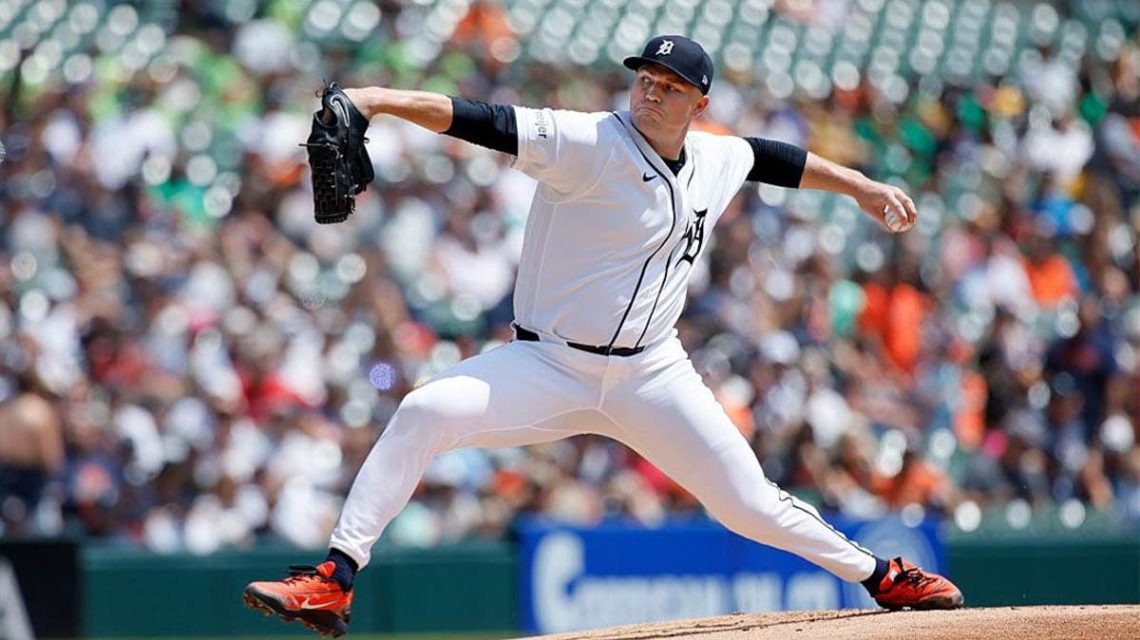
Late Saturday night, the Los Angeles Dodgers executed a significant trade, acquiring Tarik Skubal, the American League Cy Young Award winner, from the Detroit Tigers. The Dodgers sent outfielder Zyhir Hope, pitcher River Ryan, and minor league pitcher Brady Smith to the Tigers in exchange. Hope and Ryan were ranked 26th and 41st overall, respectively, in The Athletic’s prospect update. Smith, described by Fangraphs as having impressive strikeout capabilities, was averaging over 14 strikeouts per nine innings in the minor leagues.
While the trade generated substantial reactions on social media, questions arose regarding the return for the Tigers. Many fans expressed frustration, questioning the value received in exchange for Skubal. Despite criticism and support of the trade, one issue stands out in Major League Baseball. The problem isn’t simply about the Dodgers’ financial power; it’s that the trade highlights the differing motivations among MLB teams.
Understanding the nature of this trade is crucial. Skubal’s current contract makes this trade about his remaining regular season starts, rather than his career in LA. The trade has secured roughly 9-10 regular season starts for the Dodgers, who are strong contenders for the postseason. The Tigers made the decision based on the significant future value they received, with prospects like Hope offering six seasons of team control.
Hope’s performance in AA has been noteworthy, with 23 home runs and 18 steals across 94 games. The Tigers will benefit from his potential major league contribution at a lower cost. River Ryan, already part of the major league service, shows promise with his high strikeout rates and impressive fastball as noted by Fangraphs.
LA’s acquisition strategy suggests winning is a top priority, even though they might not manage to sign Skubal long-term. History shows they’re willing to trade valuable assets for short-term gains. In 2018, they acquired Manny Machado, who later left for the Padres. Max Scherzer and Trea Turner, acquired in 2021, also left in free agency.
Contrasting with teams like the Brewers or Cubs, who might not want to trade prospects for immediate roster improvements. Milwaukee has been baseball’s top team but hesitated to make risky trades despite losing key rotation members. Their reluctance stems from balancing short-term success against long-term prospect value.
The Dodgers’ commitment to spending more on payroll than other teams highlights their devotion to winning over pure profitability. Other teams, despite having decent financial flexibility, remain focused on maintaining future cost savings. This reflects a mindset concerned more about financial decisions than championship aspirations.
Large-market teams like the Cubs also hesitated at the opportunity to acquire Skubal. The Cubs’ pitching needs could be complemented by Skubal’s talent, but they opted to sit on the sidelines while the Dodgers acted strategically.
Ultimately, these examples illustrate broad disparities in team priorities across MLB. A salary cap might enforce spending limits but wouldn’t address ownership’s fundamental lack of focus on winning championships. Fans might express dissatisfaction, but the underlying issue remains a strategic choice, prioritizing fiscal caution over competitive ambition.
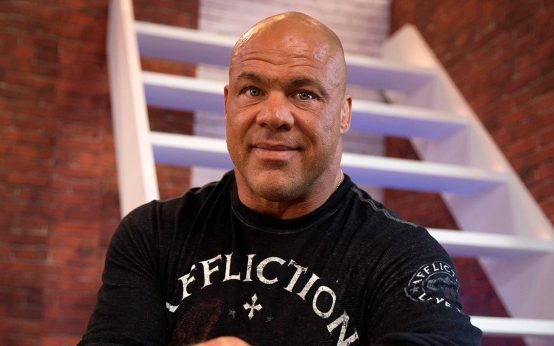 Kurt Angle Reflects on His TNA Wrestling Career
 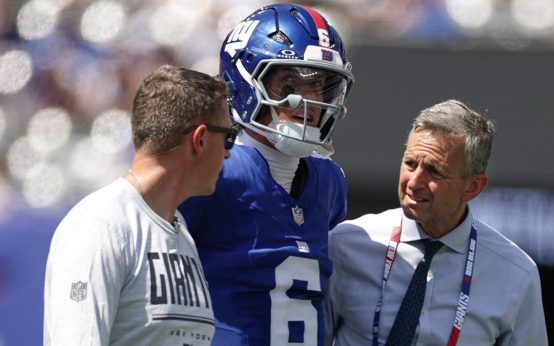 Analyzing NFL Teams After Two Weeks
 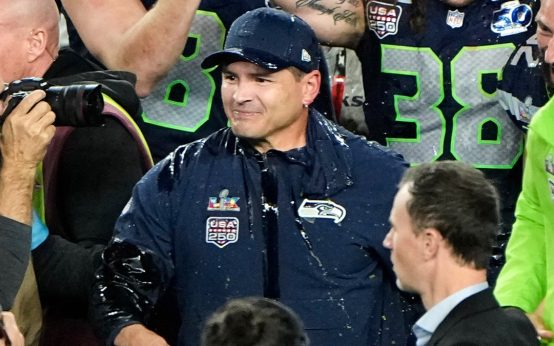 Seattle Seahawks Coach Mike Macdonald’s Strategic Approach
  Massachusetts Youth Hockey Player Suspended Indefinitely After Slashing Incident
  Chicago Bears Face Quarterback Changes Amid Injuries
  Kevin Durant Chooses to Focus on WNBA Success Amid Gender Debate