
The Dominican Republic plays a significant role in global baseball, producing a large number of players for American major and minor leagues. Iconic players like Pedro Martínez and Adrian Beltré have roots here. Playing fields and training academies pepper the nation, often in villages where professional players are celebrated with murals.
For nearly fifty years, this country has contributed more players to the majors than any other outside America. Despite having a population comparable to Ohio’s, 144 players reached the major leagues last year, accounting for about 10% of the league. The Dominican system is extensive, with teams distributing signing bonuses to about 450 prospects annually. Although only less than 10% of these young talents make it to the majors, even the bonuses are significant, exceeding the country’s average income and potentially transforming the lives of players and their families.
Yet, Major League Baseball allows a flawed system to thrive, disadvantaging young players while favoring opportunistic trainers and predatory lenders. An investigation by ProPublica sheds light on these issues.
Trainers and Earnings
In the Dominican Republic, young players freely compete for signing bonuses from major league teams, unlike U.S. and Canadian players who enter via a draft. Recognizing the nation’s potential for affordable talent, MLB scouts prompted the opening of training academies by teams to nurture young prospects. Soon, local talent scouts or ‘buscones’ began establishing their own academies.
Hundreds of such facilities now exist, operated by approximately 6,000 trainers, as reported by a national trade association. Trainers provide room, board, equipment, and coaching, but often at the expense of education. They earn a substantial share, typically 35% to 50%, of a player’s signing bonus, which can range from $30,000 to figures in the millions. Between 2012 and early 2026, Dominican prospects received $1.042 billion in bonuses; trainers and lenders quickly claimed up to half a billion dollars of this amount.
Underage Agreements
To bypass league rules, MLB teams make unofficial ‘preacuerdos,’ or early deals, with underage players. These involve non-committal agreements, arranged through a player’s trainer, promising a payout once the player reaches signing age. Players as young as 11 await their bonuses for years under this system.
Financial Exploitation
The promise of bonuses has led to a boom in high-interest lending. Prestamistas or moneylenders persuade families to exchange future bonuses for loans with prohibitive interest rates. The Dominican Republic revoked its usury laws 24 years ago, fueling this practice. Online ads from lenders target young players, boasting loans specifically for “baseball players who have agreements.”
One case involved Belfi Rivera, who at 14 agreed to a deal worth $1.8 million. While the Diamondbacks didn’t comment, Rivera saw little of his bonus; trainers and lenders claimed large shares. Santo Caraballo, a lender connected to ex-Red Sox icon David Ortiz, received a significant portion.
Ortiz, via a legal statement, mentioned ending his personal relationship with Caraballo due to inappropriate conduct by the latter, although they were seen together in 2025 heading to a concert.
Lender Influence
Caraballo initially gained prominence by resolving a tragic legal issue involving Pittsburgh Pirates prospect Oneil Cruz. In 2020, Cruz was involved in a fatal accident, facing potential prison time. Through Caraballo, an arrangement was made where families accepted payments in exchange for dropping claims against Cruz. Cruz’s denial of wrongdoing led to legal dismissal.
Ortiz and Draft Opposition
By 2021, Caraballo and Ortiz entered a business partnership registered under Florida’s Big Papi Sports Group. Its operations remain unclear, yet their relationship persisted financially and socially. Ortiz admitted investing millions into Caraballo’s business focused on trainer loans, not children.
Ortiz’s opposition to an international draft is notable, as it coincides with his financial ties to Caraballo. Proponents of the draft, including MLB commissioner Rob Manfred, argue it would eliminate problematic early deals. However, the players union resists, fearing restriction on prospects’ choice of employers.
During 2022 negotiations, Ortiz mobilized Dominican players and trainers against the draft, stressing long-term negative impacts. He provided Tony Clark’s contact, the union’s executive director, for opposition he claimed was free from personal profit motives.
MLB’s Role
While MLB exerts economic and political influence in the Dominican Republic, its steps to overhaul or warn against early deals are minimal. A spokesperson referred to past calls for system reform without further detail. According to Piñao Ortiz, former Dominican baseball commissioner, MLB’s inaction contributes to ongoing issues, acknowledging the system’s flawed nature.
The league’s failure to enforce its own rules leaves room for exploitation, impacting young Dominican players caught in a complex, unforgiving system.
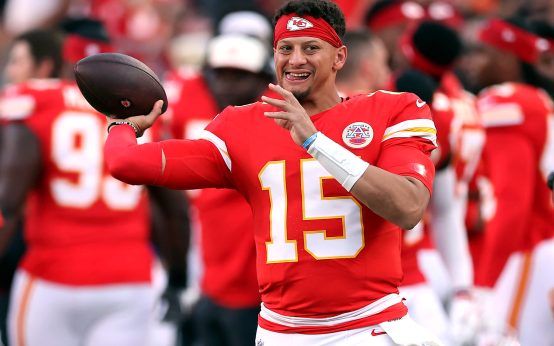 NFL Week 1: Key Storylines and Return of the Season
 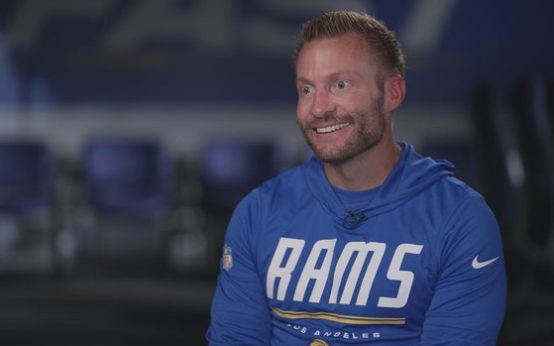 Los Angeles Rams: Inside the Team’s Approach to Success
 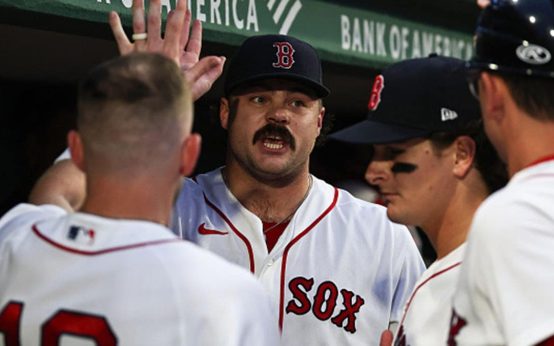 Payton Tolle’s Immaculate Inning Highlights Red Sox Victory
 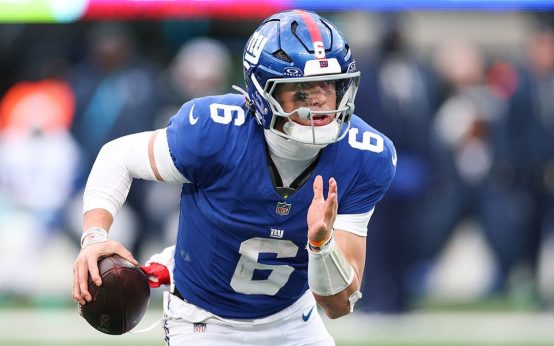 Analysis: Jaxson Dart’s Potential and Impact on Giants vs Cowboys Game
 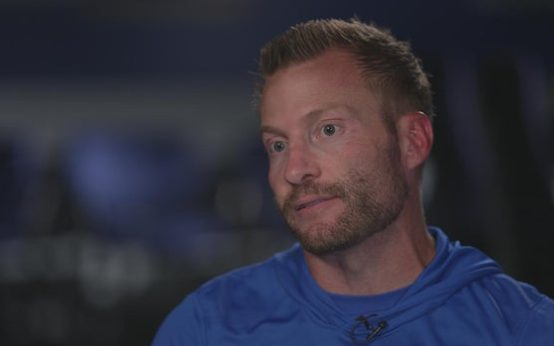 Sean McVay’s Journey with the Los Angeles Rams
 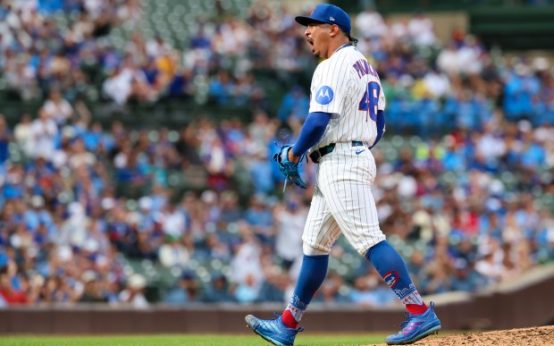 Chicago Cubs vs. Pittsburgh Pirates: A Sunday Showdown at Wrigley Field