Eaton Fire Soil Testing by EPA: Results and Concerns
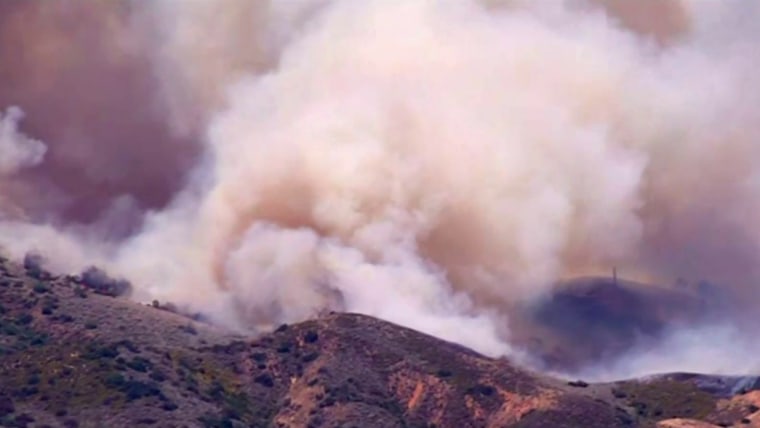
After examining soil from about 1% of homes affected by the Eaton Fire, the U.S. Environmental Protection Agency has reported reassuring results regarding lead contamination. The fire, which ravaged 9,400 homes and structures in Altadena in January 2025, dispersed smoke containing harmful substances like lead, arsenic, and asbestos. Lead poses a significant risk, particularly affecting children’s development.
The EPA conducted tests on 100 homes, chosen randomly within the debris cleanup zone. Their report, shared with NBC News, revealed that five lots surpassed EPA screening standards for lead. Additionally, seventeen lots exceeded California’s stricter standards. Overall, the median lead concentration across all properties was notably below state and federal concern levels, as stated in an EPA press release issued on Tuesday.
“This should give residents confidence that the Army Corps’ efforts addressed fire-related contaminants, especially lead,” said Michael Montgomery, EPA Region 9 Superfund and Emergency Management Division Director. “They adequately removed the ash, debris, and underlying soil.”
Montgomery noted that the testing results could be generalized across the burn zone. He mentioned a 95% confidence level that addressed homes in Altadena and Pasadena stayed within both California and federal screening standards.
In Altadena, anxiety about contamination persists, with many properties enveloped in soot and char from the Eaton Fire. The area hosts older homes constructed before lead was phased out from building materials like pipes and paint. Although the Army Corps navigated debris removal on about two-thirds of the burned homes, they didn’t test soil before or after cleanup, causing residents to ponder potential risks.
Academic scientists, consultants for the Los Angeles County Department of Public Health, and private groups have taken charge of further soil testing. The results varied significantly, prompting worries. Andrew Whelton, a professor at Purdue University, contended the EPA’s analysis wasn’t definitive, highlighting the agency’s methods focus on average risk assessments without identifying specific hazardous areas.
“Their results aren’t reflective of the Eaton Fire region,” Whelton stated. “Collection methods don’t align with existing data or Californians’ safety expectations for properties.”
Continued scrutiny surrounds the debris removal, handled by the Army Corps, which involved debris clearance and scraping of up to 6 inches of soil. Complaints arose about inconsistencies and haste in cleanup, leaving unaddressed debris in comparison to previous wildfires and igniting residents’ concerns about lasting contamination issues.
The Federal Emergency Management Agency prompted the EPA to conduct tests, responding to concerns from officials and residents. Montgomery noted this marks a first for the EPA, which hasn’t undertaken similar work in other wildfire scenarios. The study aimed to broadly identify contamination levels within the Eaton burn zone.
Random selection of properties allowed testing where feasible and agreed upon by residents. At each site, soil samples were gathered from 30 locations within the “ash footprint” established by the Army Corps for debris and soil removal. Pooling soil from these sites yielded two composite samples — surface level and approximately 6 inches deep.
Results showed a median lead concentration of 31 milligrams per kilogram (mg/kg) in surface soil, below the California (80 mg/kg) and EPA (200 mg/kg) concern thresholds. Subsurface levels averaged 43 mg/kg. However, five surface samples exceeded federal standards, one reaching 705 mg/kg.
Whelton critiqued the EPA’s composite sampling approach, arguing it averages figures, potentially masking contamination hotspots within specific property locations. “We know hotspots persist post-debris removal due to contractors missing ash and debris,” he remarked.
Whelton emphasized testing limitations confined to the ash footprint, excluding untouched property areas by the Army Corps. The property recording a 705 mg/kg lead average posed significant worry. Levels exceeding 1,000 mg/kg classify as hazardous waste, requiring specialized landfill disposal.
“The entire property returned alarming results,” Whelton stated. “Sections likely exhibited much higher concentrations.”
 October Social Security Payment Schedule and Updates
  Tropical Storm Polo Threatens to Impact Southern California
  Shooting at South Los Angeles Senior Facility Leaves Three Injured
  Durham’s HEART Program Paves a New Path for Community Response
  Preparing for California’s Super El Niño
  Philadelphia Reports Measles Exposures at Airport and Hospital