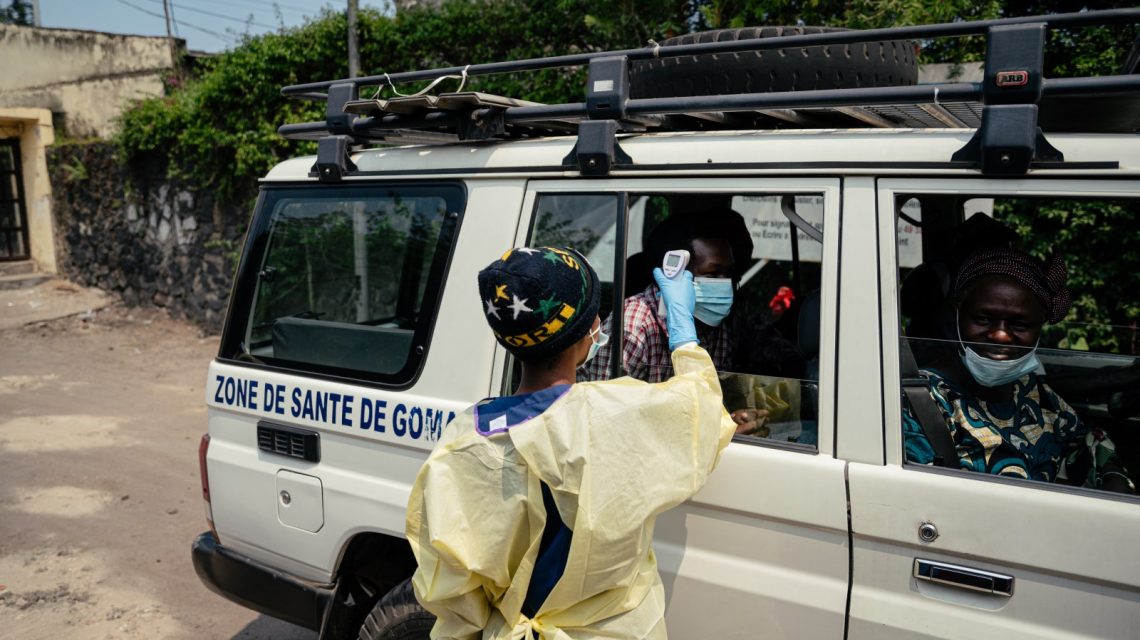
The perception that Ebola is a remote crisis for many Americans can lead to complacency. Still, historical events suggest the need for vigilance. The 2014 Ebola epidemic in West Africa claimed over 11,000 lives, disrupting health systems in Guinea, Liberia, and Sierra Leone. It prompted global concern as cases surfaced in Italy, Mali, Nigeria, Senegal, Spain, the United Kingdom, and the United States. The outbreak’s spread to Texas and New York served as a stark reminder of how quickly such events can reach U.S. shores. The World Bank reported economic losses worth billions in West Africa due to the outbreak.
Swift response was crucial to preventing a wider crisis. This was largely thanks to an international outbreak-response infrastructure. The U.S. and European governments heavily financed initiatives, including global cooperation, disease surveillance, laboratory networks, emergency teams, and foreign aid programs. During the Ebola crisis, the U.S. alone committed over $5.4 billion to efforts both domestically and internationally.
A decade later, the world faces another Ebola outbreak. However, the current outbreak presents new challenges. It involves the Bundibugyo strain in the Democratic Republic of Congo (DRC) and Uganda, a rare variant. Initial lab tests failed to recognize this strain. By the time the outbreak was confirmed, it had spread through funeral gatherings, into Uganda, and regions disrupted by conflict.
The World Health Organization (WHO) declared it a Public Health Emergency of International Concern, reporting over 860 suspected cases and 200 deaths.
The lack of an approved vaccine or treatment for Bundibugyo Ebola complicates response efforts. Experts fear the differences in this strain’s behavior from previous outbreaks limit current diagnostics and preparedness systems. Without vaccines, the region faces elevated risk.
This crisis highlights not only viral mutations but also weakening institutions. The U.S. historically supported global epidemic preparedness via USAID, CDC, and international partnerships. Post-2014 investments fortified laboratory networks, trained epidemiologists, and improved disease surveillance. Yet such systems garner little attention as successful prevention is often invisible.
The weakening of these systems coincides with rising zoonotic spillover, climate-driven displacement, political instability, and rapid infectious disease spread. Since January 2025, the Trump administration’s focus on ‘America First’ undermined global health programs. Secretary of State Marco Rubio announced in July 2025 that USAID would end its foreign aid role, transferring duties to the State Department. Over 80% of USAID programs were terminated, affecting outbreak preparedness and disease surveillance efforts.
Consequences extend beyond aid. Research indicated U.S. funding cuts left global disease surveillance programs vulnerable, hampering pathogen tracking and outbreak prevention. U.S. withdrawal from international cooperation has weakened inter-agency coordination and information-sharing systems essential for early outbreak detection.
Despite this, the current outbreak is still manageable. Infrastructure from post-2014 investments is in place. Immediate action can prevent further casualties. Amid shrinking aid budgets worldwide, the UK plans to reduce its overseas aid to 0.3% of gross national income by 2027. European cuts are reshaping the global aid environment, potentially reducing some sectors’ assistance by up to 40%, including global health.
Global health security impacts domestic security. In the U.S., foreign aid often frames as charity rather than self-defense. Infectious diseases transcend borders. Ten African countries face risk, and the U.S. CDC confirmed an American healthcare worker in the DRC contracted Ebola Bundibugyo. They were evacuated to Germany for treatment, while another high-risk American contact was transported to the Czech Republic.
The events in the DRC and Uganda are not regional issues alone. They reflect a test of a world where wealthier nations increasingly disengage from protective global systems. Recognizing warning signs before escalating outbreaks become costlier and more deadly is crucial. Pathogens exploit moments of global disunity.
Thoai D. Ngo, PhD, MHS, chairs the Heilbrunn Department of Population and Family Health at Columbia University Mailman School of Public Health. The views expressed are his own.
 Potential Changes in Medicare Reimbursement for Lab Tests
 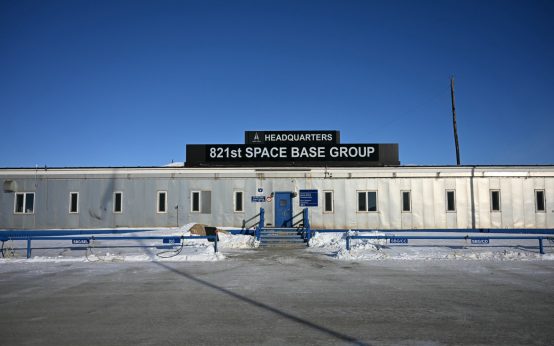 New U.S. Military Bases Planned in Greenland Amid Strategic Security Deal
  Understanding and Addressing the Complexity of Suicide
 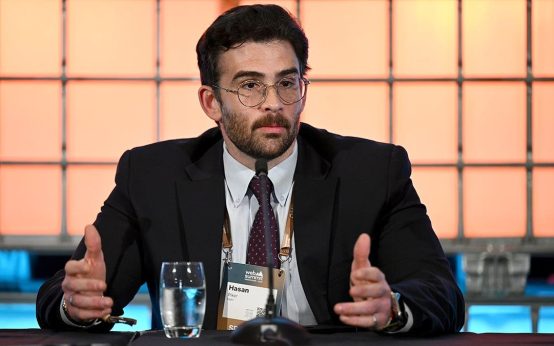 Twitch Streamer Hasan Piker Discusses Controversial Commentary
  A Shifting Political Landscape: The Decline of Autocratic Power
  Recall of Meat Products from Star Meat Delivery Inc.