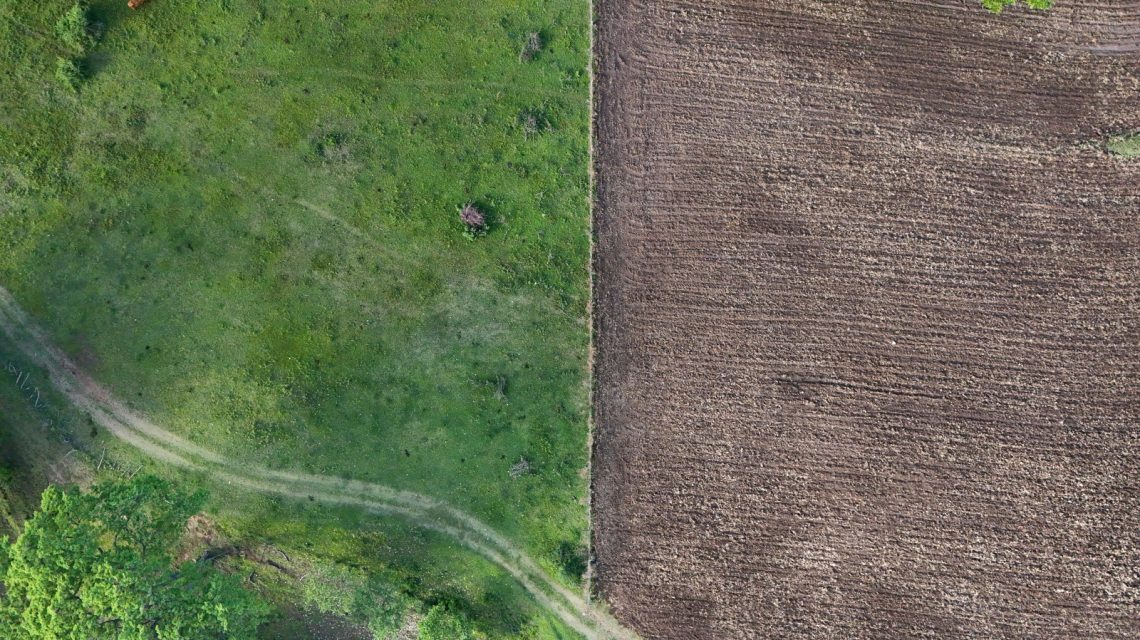
One of the strongest El Niños on record is expected to worsen global food insecurity and increase agricultural commodity prices worldwide. The United Nations Food and Agriculture Organization reported that world food prices in August reached their highest level since 2022. This rise stems from the impact of the significant El Niño climate event that began earlier this year, affecting major crop-producing nations.
Heat-related deaths could potentially exceed 450,000. According to Michael Greenstone, a co-founder of the Climate Impact Lab and an economics professor at the University of Chicago, these effects are endangering supply chains in various regions. “El Niño-related weather extremes will likely hit agricultural production in South and Southeast Asia and Western Africa the most,” noted Matin Qaim, a professor of Agricultural Economics at the University of Bonn, Germany. He emphasized concern for the world’s poorest individuals, who spend a large portion of their income on food and might face even greater financial difficulties due to rising prices.
Which Prices Could Rise?
Experts predict numerous food groups from the Global South regions, most affected by El Niño, might experience shortages in the coming months. Chocolate, olive oil, and coffee are anticipated to become scarcer and more expensive for U.S. consumers.
“Chocolate and sugar move first, both sit on unusually thin global buffers this year, so it takes very little to push prices up,” explained Kamiar Mohaddes, an economics and policy professor at Cambridge University. “Bread follows the wheat shortfall directly, while coffee and palm-oil-based foods lag three to 16 months behind the climate signal, pushing those effects into 2027.” Wheat production is nearing a 56-year low, while rice imports face drought threats in India, Thailand, and Vietnam.
Amanda Maycock, a climate scientist at the University of Leeds, highlighted that El Niño resulted in a 10 to 15 percent decrease in rainfall during the Indian monsoon, slowing rice production. Maycock also mentioned potential impacts on other tropically grown goods like coffee and cocoa, citing challenges from heavy rain and drought-related poor yields.
How Long Will This Last?
Experts believe the U.S. will avoid the worst effects of El Niño, such as food shortages. Nelson Villoria, an agricultural economist at Kansas State University, stated that decreased yields for crops like corn will be “largely offset by production in other states.” Despite the potential slowdown in imports, “the U.S. is unlikely to experience shortages of major food groups.”
Qaim stated, “Many poor countries in Africa and Asia depend on grain imports for their food security. In these regions, hunger will likely increase.” He also indicated that the climate event will worsen existing supply shortages due to blocked shipping routes in the Middle East. Prices might continue to rise for at least six to 12 months.
Mohaddes projected a “mid-teens percentage” increase in global food prices with effects lasting up to two years, explaining that El Niño will peak around December 2026. An analysis by Goldman Sachs suggested a nearly 16 percent rise in global food commodity prices, potentially “fully realized” by the second half of 2028.
 Hurricanes in Pacific Threaten Southern California with High Surf and Coastal Flooding
  Potential Breakthrough in Permitting Reform
  California’s Readiness for an El Niño Water Opportunity
  Florida Citrus Growers Use Gene-Editing to Combat Citrus Greening
  Satellite Images Reveal Lake Powell’s Dramatic Decline Over Nine Years
 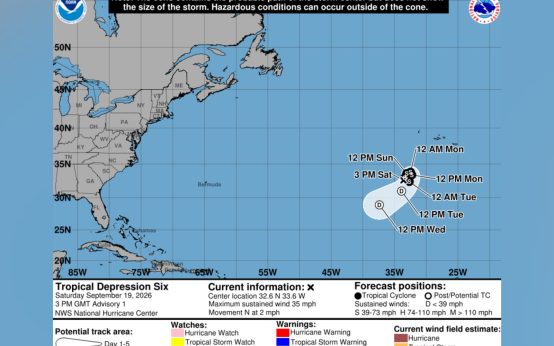 Tropical Depression Six Forms in the Atlantic Amid Quiet Hurricane Season