
Turning 40 often marks new challenges. Life serves reminders that youth’s agility fades. Sneezing might strain your back, as mixed martial arts trainer John Wood humorously notes.
Elite athletes, however, can defy such trends. At Wimbledon, 44-year-old Serena Williams returns to singles for the first time in nearly four years. She faces 20-year-old Maya Joint, becoming the second-oldest woman in the main draw in the Open Era, following Martina Navratilova. Serena’s achievements extend to doubles, playing alongside her sister Venus.
Older athletes continue to break barriers. In the men’s soccer World Cup, eight players are over 40. Lewis Hamilton races in Formula 1 at 41. LeBron James remains crucial for the LA Lakers at the same age. Tom Brady, Ryan Giggs, and Navratilova exemplified long careers, and now longevity in sports becomes achievable with advances in science and nutrition.
Advancements in Sports Science
To compete at a high level in their 40s requires exceptional athleticism and some luck, says tennis coach Brad Gilbert. Yet, strides in technology help ensure athletes’ success. Nick Grantham, a strength and conditioning coach, explains they track and analyze adaptations to training closely. This granularity helps refine aspects like nutrition and load management.
Athletes today have access to various experts beyond coaches. This allows them to focus on recovery and conditioning. The modern athlete must be a ’24-hour athlete,’ meaning their entire day contributes to their career longevity.
Balancing Training and Recovery
Paul Annacone, former coach to Federer and Sampras, speaks on the delicate balance older athletes face between training and recovery. Recovery takes longer, and maintaining intensity is challenging without risking injury. Tennis players in their 20s may handle physical loads differently than those at 40, making strategic preparation vital. Novak Djokovic, 39, maintains skills but must navigate managing match performance proactively.
Emphasizing the connection of performance to availability, experts like Keith Gladstone recognize this discipline. Despite inevitable physical declines like muscle loss and decreased neural speed, careful management can prolong elite performance.
The Role of Experience
Age can offer a crucial advantage: experience. It aids athletes in managing emotional and physical demands during matches. Sporting intelligence stems from years of learning. A seasoned player knows when to conserve energy and when to exert.
Serena Williams returns to Wimbledon as a seven-time singles champion, with game knowledge accumulated over years. Similarly, Lionel Messi, at 39, continues to excel by relying on experience to make strategic plays.
Serena possesses an aura, leveraging past success to boost confidence. She stated her comeback isn’t about proving anything, emphasizing her past accomplishments. The challenge lies in adhering to this mindset when back on the court.
The Motivation Behind Their Persistence
Annacone, reflecting on why athletes like Serena and Federer return to competition, suggests love for the sport drives them. Before Serena’s match at Queen’s Club, she highlighted family as a motivation for her return. She enjoys the opportunity to perform at the highest level, if even for one last time.
 Massachusetts Youth Hockey Player Suspended Indefinitely After Slashing Incident
 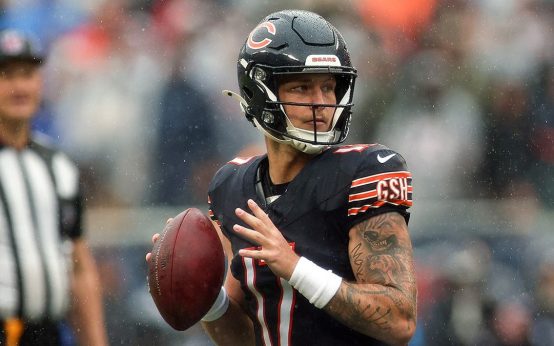 Chicago Bears Face Quarterback Changes Amid Injuries
 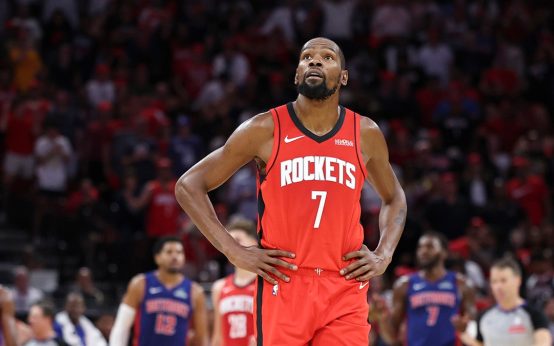 Kevin Durant Chooses to Focus on WNBA Success Amid Gender Debate
  Will Levis Joins New York Jets Practice Squad
  Lane Kiffin’s Overhyped Status: Ole Miss vs LSU Analysis
 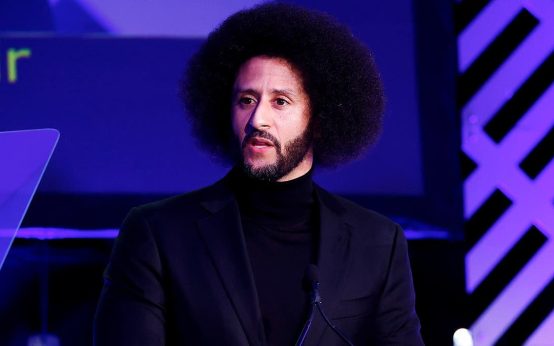 Criticism of Kaepernick’s NFL Draft Comparison