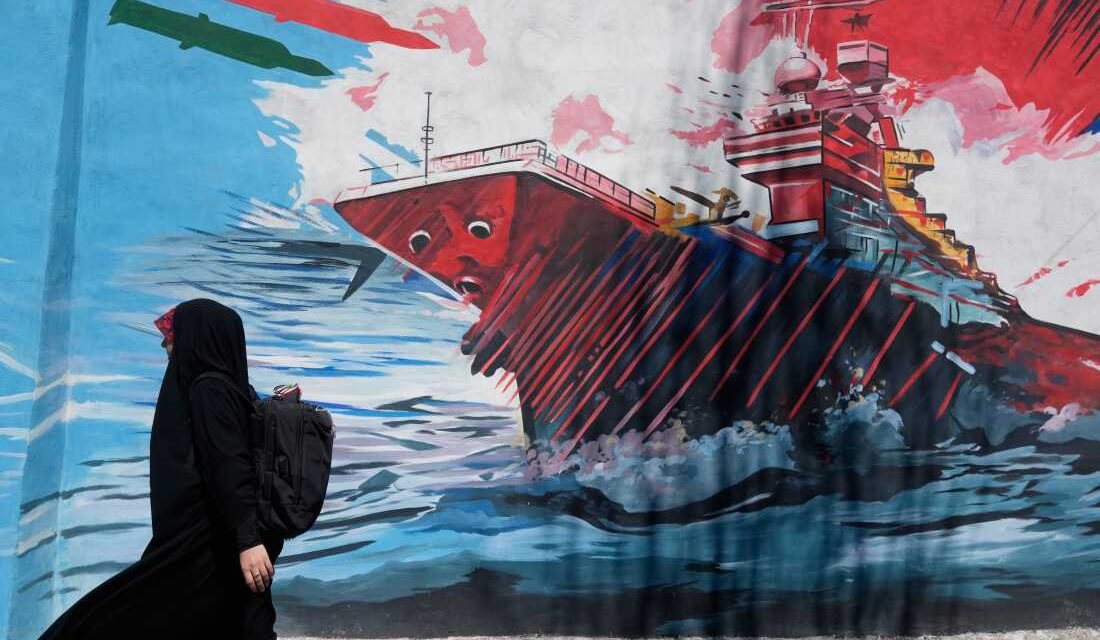
In downtown Tehran, a mural of a U.S. aircraft carrier under missile attack serves as a backdrop as tensions rise. Amidst escalating violence, the U.S. military announced on Wednesday that it had launched another round of strikes against Iran. These attacks follow President Trump’s remarks that more actions were forthcoming, with an explicit warning that Tehran would bear consequences for stalled negotiations.
U.S. Central Command revealed that multiple targets in Iran were struck, in response to what they termed as Iran’s continued aggression. This escalation comes after Bahrain, Kuwait, and Jordan, all hosts to U.S. troops, were fired upon by Iran. These incidents mark the third exchange of strikes within a week, testing a previously held two-month ceasefire. The previous day saw the U.S. retaliating against Iran after an Army helicopter crash near the strategic Strait of Hormuz, which Trump attributed to the Iranian regime.
Trump has been vocal in urging Iran to agree to end the conflict, suggesting a potential agreement could be reached shortly. However, Iranian media reported explosions in southern locations such as Bandar Abbas, Sirik, and Minab, indicating the resilience of Iran despite intense bombing. Iran aims to leverage the critical Strait of Hormuz as a bargaining tool.
Iran has never negotiated under threats and pressure and will never submit to pressure or question,
Iranian Ambassador Amir Saeid Iravani stated, addressing the U.N. Security Council on Wednesday.
Despite the exchanges, both nations appear interested in resolving the conflict, though domestic perceptions are crucial. Israeli Prime Minister Benjamin Netanyahu’s objectives include dismantling Iran’s theocratic rule, eliminating its nuclear capabilities, and weakening Hezbollah in Lebanon, complicating compromise efforts.
Since the war began with U.S. and Israeli attacks on February 28, global economic stability has been affected, with a surge in energy costs. Crude oil traded over $93 a barrel, marking an increase of more than 25% since the conflict commenced.
On Wednesday, Trump divulged a ‘secret mission’ by the military to transport oil past Iranian defenses in the Strait of Hormuz, crediting the operation with circumventing Iran’s hold over oil passage. He claimed over 100 million barrels had successfully evaded the blockade, though this figure lacks immediate confirmation.
Earlier that day, the U.S. military disabled the Palau-flagged vessel M/T Settebello attempting to breach a naval blockade with Iranian oil. An American aircraft’s precision strike followed a warning to the crew, according to U.S. Central Command spokesperson Capt. Tim Hawkins.
In response to U.S. strikes on air defense and command sites, Iran reported damages to water reservoirs in Sirik, affecting thousands. Tehran retaliated with attacks in Kuwait, Bahrain, and Jordan, targeting facilities hosting U.S. military operations. Iranian Foreign Minister Abbas Araghchi condemned these as violations of sovereignty.
As peace negotiations encounter challenges, Qatar has taken a mediating role, with a delegation visiting Tehran for discussions. These developments came in the wake of a U.S. helicopter and Iranian drone collision, although the intent behind the incident remains under investigation.
Trump’s demands, including the relinquishment of enriched uranium, remain a sticking point, as Iran requests relief from sanctions and the release of frozen assets. Both nations face significant obstacles in reaching an agreement. Trump’s communication on social media underscores the administration’s impatience with negotiation proceedings.
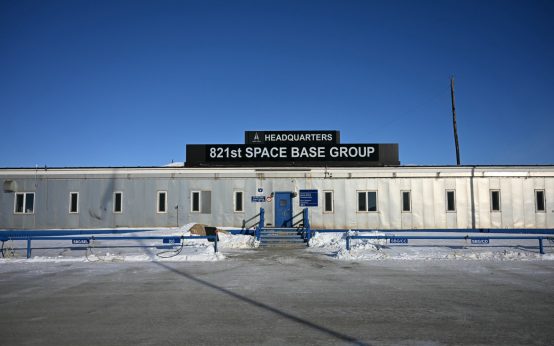 New U.S. Military Bases Planned in Greenland Amid Strategic Security Deal
 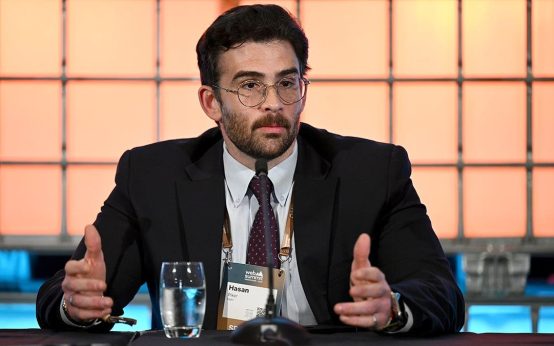 Twitch Streamer Hasan Piker Discusses Controversial Commentary
  A Shifting Political Landscape: The Decline of Autocratic Power
  Trump Delivers Warning to Iran, Cuba at UN General Assembly
 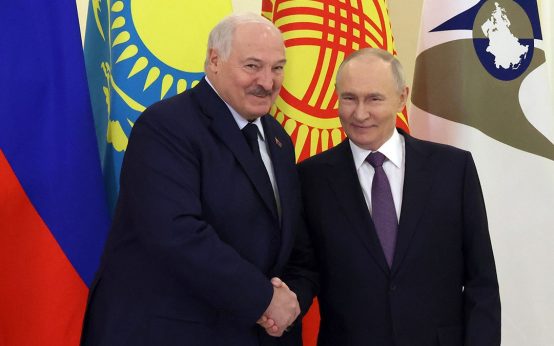 Lukashenko and Putin’s Unique Relationship and Belarus’ Strategic Role
  Alan Ritchson Faces Backlash Over Political Remarks