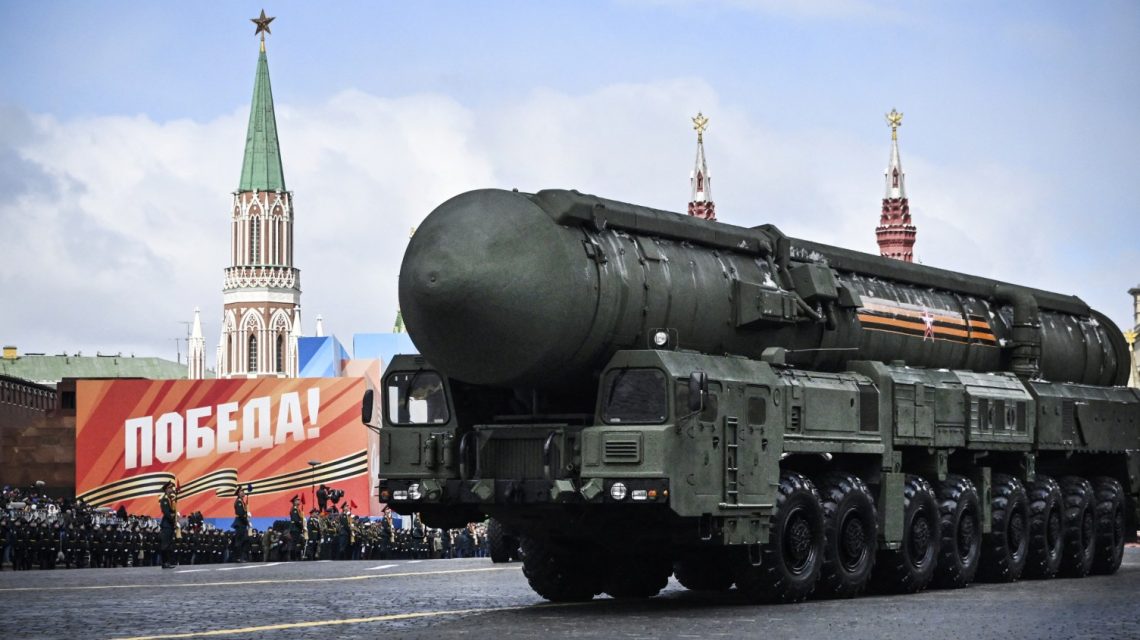
Vladimir Putin controls the world’s largest nuclear arsenal, but neighboring countries seem less concerned. Lithuania has moved to eliminate a constitutional restriction, paving the way for NATO to station nuclear weapons within its borders. Despite threats from the Kremlin, this change marks a significant shift in regional attitudes.
Lithuania’s Bold Move
Article 137 of Lithuania’s constitution previously banned hosting weapons of mass destruction. The Seimas Legal Affairs Committee recently backed an amendment to remove this ban, pending parliamentary approval. The amendment cites Russia’s invasion of Ukraine and escalating nuclear rhetoric as reasons for strengthening NATO deterrence.
“Lithuania, like all other NATO states, is already Russia’s target,”
stated Lithuanian Defense Minister Robertas Kaunas. He dismissed the Kremlin’s threats as mere intimidation.
Finland Joins Forces with France
Finland’s President Alexander Stubb announced the country’s collaboration with France in nuclear deterrence exercises. Finland, once outside NATO, joined the alliance in April 2023 following Russia’s invasion of Ukraine. It has since removed restrictions on hosting nuclear weapons.
This cooperation with France opens the possibility of temporarily hosting French strategic aircraft on Finnish soil. Other countries like Germany, Poland, and the Netherlands are already collaborating with France under the same initiative.
The Changing European Landscape
Western responses to nuclear threats have evolved. Initially, fear of crossing Russia’s nuclear red lines limited Western military support for Ukraine. Joe Biden avoided sending U.S. forces into Ukraine to prevent escalation toward World War III. As evidence showed Russia’s nuclear intimidation often lacked substance, European nations began to challenge Moscow’s warnings more boldly.
Imminent Threats or Empty Gestures?
In late 2022, during intense conflicts at Kharkiv and Kherson, Putin declared Russia’s willingness to use all available weapons. Reports indicated genuine concerns about Russia’s possible nuclear responses, with intercepted communications and U.S. intelligence underscoring a precarious situation.
Although Russia expanded its nuclear doctrine and New START expired, leaving U.S. and Russian arsenals unrestricted, many Western governments have gained confidence in discerning genuine threats from Putin’s posturing.
Russia can still resort to an unusual nuclear exercise or increase alert levels, potentially reigniting tensions. However, after enduring various nuclear threats, Europe is more adept at distinguishing between Russia’s theatrical displays and actual risks.
 Calls for Independence Grow in the UK
  Russia’s Missile Developments Raise Concerns for Ukrainian Defense
  The Struggle to Free Dr. Gulshan Abbas: A Case of Transnational Repression
  Struggles of Haitian Migrants in the US Amid Loss of TPS
  Suspected Sabotage Causes Major Rail Disruptions in The Netherlands
  Drone Downed in Lithuanian Airspace Amid Rising Tensions