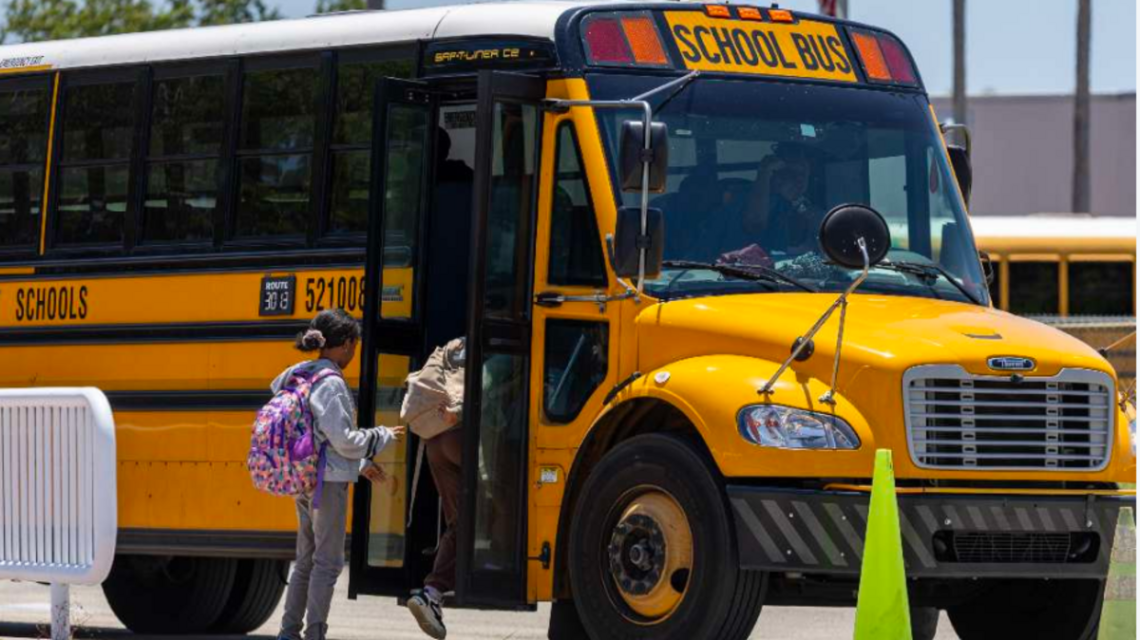
In Florida, a growing number of students are choosing to attend schools outside their designated attendance zones. This shift is largely supported by the state’s education choice scholarships. At Moreland’s Alternative Educational Academy in Pompano Beach, kindergartners expressed their pride in being ‘smart.’ This confidence is fostered by the school’s founder, Karen Moreland-Alford. A former Broward County educator, she expanded the institution from a few students to nearly 200, with many now considering college for the first time.
Florida’s scholarship programs are providing families with educational options while empowering educators to establish schools tailored to specific needs. It’s essential for the state to protect these scholarships and facilitate the creation of more schools. This could be achieved by allowing new schools access to vacant public buildings, offering startup support, and reducing bureaucratic barriers.
Many educators have transitioned from public school roles to founding schools in low-income and rural areas. They are motivated by a desire to teach in faith-based contexts, support students with disabilities, or pursue their personal educational visions. The pivotal factor enabling these opportunities is the funding model that follows each student. A state scholarship provides schools with financial means, previously only available to families able to afford specific neighborhoods or private tuition.
Despite having financial support, new school founders often struggle to find facilities. Without access to taxpayer-funded spaces, they start in makeshift locations like church classrooms or strip malls. These unconventional settings are less about quality concerns and more about parental trust in the educators and their commitment to providing quality instruction. Utilizing vacant public buildings could accelerate the expansion of successful educational initiatives.
The effectiveness of these programs is backed by data. The Urban Institute found that students benefiting from Florida’s tax credit scholarship enroll in college at higher rates than those in traditional public schools. This demonstrates how accountability shifts to the parents, who will leave schools that fail to meet expectations.
Even traditional school districts are acknowledging the benefits of this competition. Wonderhere, a Montessori-based micro-school started by former Polk County teachers, expanded due to high parental demand. The success prompted a local district to propose a collaboration for a Wonderhere location within a Title I school. This is an example of how competition can foster innovation.
Currently, over half of Florida’s K-12 students attend schools outside their zoned district, according to the James Madison Institute. Educational choice has become integral to public education in Florida. However, there’s opposition threatening this progress. Eliminating choice scholarships would reduce opportunities for low-income families and hinder educators aspiring to create better educational environments.
For two decades, Florida has shown that trust in parents and freedom for educators leads to student success. Now is the time to build on these achievements. The kindergartners in Pompano Beach already understand the benefits.
Erika Donalds is a mother of three, a former Collier County School Board member, education entrepreneur, and the founder and CEO of Education Freedom Foundation. She is married to Republican gubernatorial candidate Byron Donalds.
 Body-Camera Footage Reveals Details of Virginia School Incident
  Cornell University and Law Enforcement on Campus Incidents
 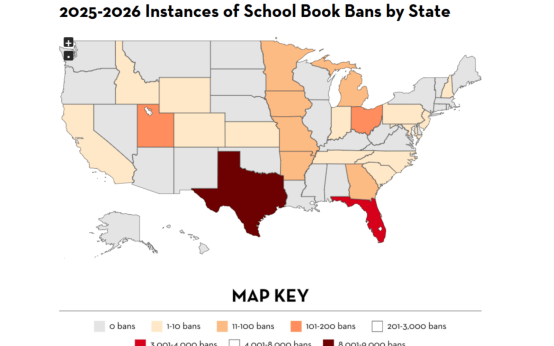 Record School Book Bans Highlight Debate on Censorship and Parental Rights
  Cornell University Engages Sally Yates for Independent Sexual Misconduct Review
  Sally Yates Leads Investigation into Cornell’s Handling of Rape Allegations
  Marmion Academy Embraces Co-Education