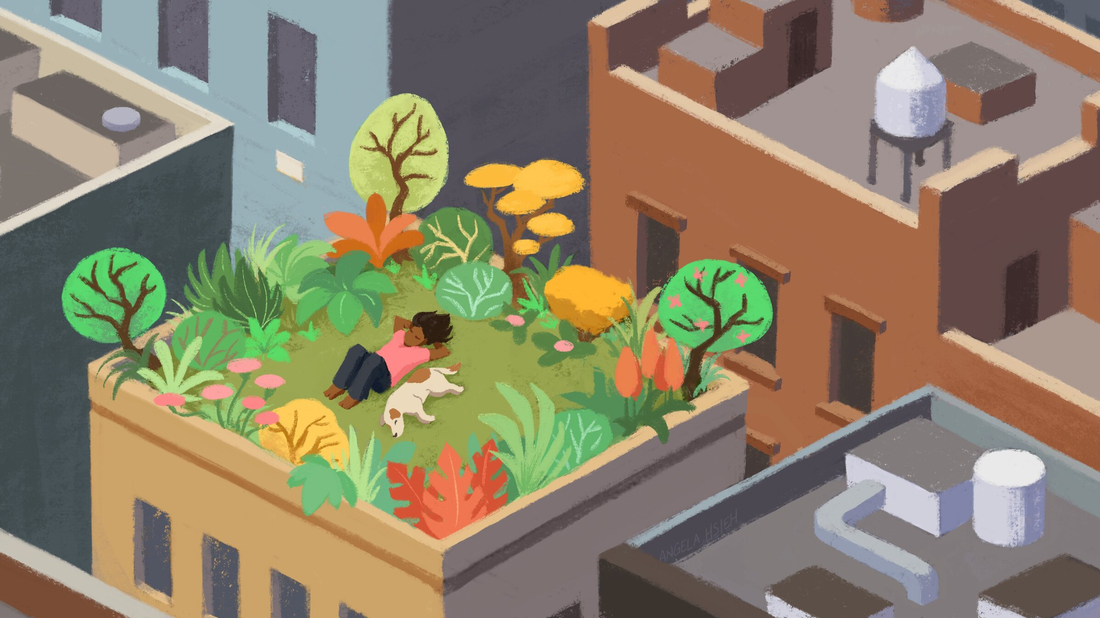
Researchers increasingly find evidence that nature positively impacts our physical and psychological health. This extends beyond scenic national parks to everyday experiences like neighborhood walks or listening to rain playlists. These moments provide significant benefits without the need for extensive travel or expense.
The American Psychological Association reports that nature enhances emotional and cognitive function by improving attention, lowering stress, boosting mood, reducing psychiatric disorder risks, and increasing empathy and cooperation. Whether planning a backpacking trip or enjoying a virtual aquarium tour, here are five practical steps that can help you connect with nature:
Think of Time in Nature as a Daily Multivitamin
Obtaining daily nature exposure is crucial for well-being, according to Ming Kuo, director of the Landscape and Human Health Lab at the University of Illinois Urbana-Champaign. Nature refreshes mental capacities after strenuous activities like prolonged screen time or reading.
Kuo emphasizes that nature isn’t a luxury but a necessity for brain function and immune system health. You can achieve this by watching birds, caring for houseplants, or experiencing nature through online content.
Find Your People
Identifying a group that enjoys nature activities can alleviate the pressure of exploring alone and enhances safety in remote areas. Diversity exists among nature enthusiasts, as noted by Ash Manning, a plus-size explorer who found Unlikely Hikers, a group for diverse adventurers.
Explore organizations like Disabled Hikers, Black Men with Gardens, and Fat Girls Hiking to find your community.
Incorporate Nature into Daily Life
You don’t need to be outdoors to enjoy nature’s wonders. Engage in activities like the #FindThatLizard challenge by Earyn McGee, where participants locate camouflaged lizards in photos. Alternatively, you might enjoy outdoor barbecues, aromatherapy, or simply opening a window for fresh air.
Learn About Indigenous History
The history of state and national parks includes exclusion of people of color and erasure of Indigenous peoples. Spirit Brooks from Oregon State University suggests appreciating the Indigenous contribution by learning about local tribes and place names.
Tools like Native Land and Whose Land assist in understanding Indigenous ties to local areas, contributing to meaningful outdoor experiences.
Ultimately, appreciating nature not only benefits personal health but also supports healthy future generations.
The podcast portion of this story was produced by Audrey Nguyen with engineering assistance from Gilly Moon and Kwesi Lee. If you have life tips to share, contact 202-216-9823 or email [email protected]. Subscribe to the newsletter for more insights.
 Tennessee Hospital Faces Investigation Over Medication Mix-Up
  Choosing the Right Vacuum: Expert Insights and Recommendations
  The Legacy and Evolution of Philadelphia’s Cheesesteak
  Vaccine Targeting Skin Cancer Shows Promising Results
  Trump Administration Alters Vaccine Guidelines
  Exploring Top Slip-On Shoe Options: Comfort Meets Style