The use of medical drones could revolutionize the delivery of critical healthcare supplies. A new program aims at expediting the transportation of essential medical items like lab samples and blood between rural areas and larger hospital centers. This could be vital in improving both diagnosis and treatment timelines for remote communities. Future plans include using drones for transplant material transport.
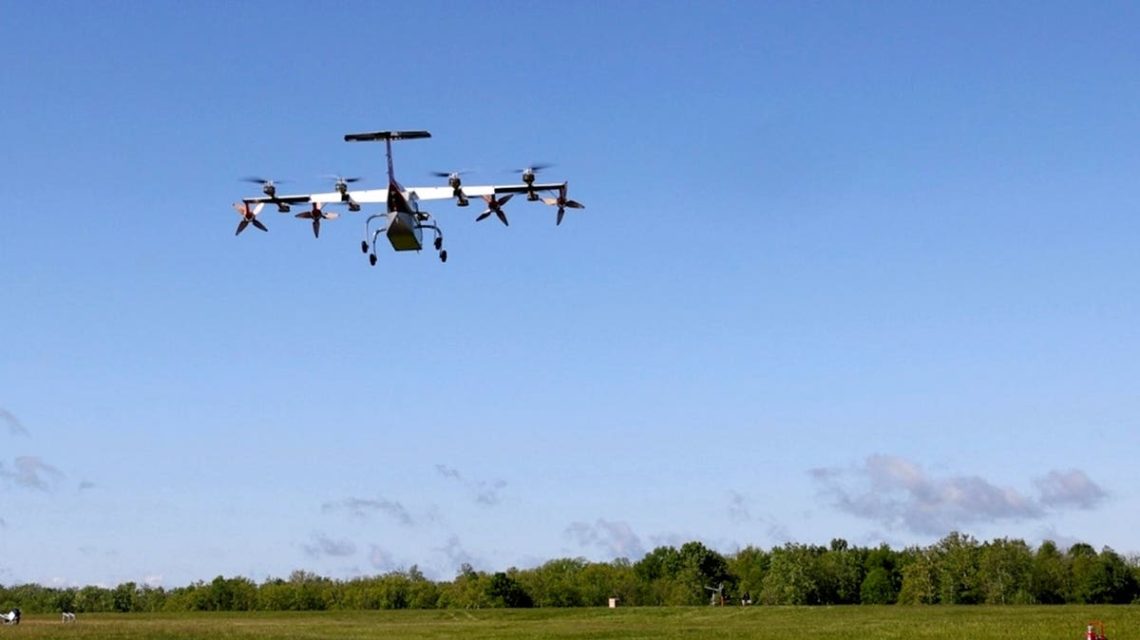
The FAA recently tested a hybrid-electric cargo aircraft capable of vertical takeoff and landing. This aircraft, developed by Elroy Air, operates without needing a crew onboard. The recent test in Louisiana marks the first remotely piloted flight under the FAA’s eVTOL Integration Pilot Program (eIPP). The Chaparral aircraft, developed by Elroy Air, can carry over 500 pounds and doesn’t require a runway, unlike typical small delivery drones.
The Impact of the Hybrid-Electric Aircraft
This technology could change how emergency materials and everyday goods are transported across the nation. The FAA’s testing of this aircraft allows for the evaluation of its integration into United States airspace. Elroy Air’s Chaparral underwent a test where the aircraft autonomously carried a load over a 2.6-mile distance, a step towards operational deployment. The regulatory observations from these flights will help guide future deployments.
Chaparral’s Unique Technical Specifications
Unlike typical drones, Chaparral is designed for significant cargo transportation. It takes off and lands vertically for flexibility in various environments. A hybrid-electric powertrain ensures a long-range capacity without needing extensive charging facilities. The aircraft has a range of 450 miles and can transport more than 500 pounds using innovative modular pods. These pods can be pre-loaded, allowing the aircraft to pick up and drop off cargo efficiently, limiting on-ground equipment requirements.
Autonomy with Human Supervision
Despite being pilotless, the Chaparral still involves human oversight. During the Louisiana test, the FAA supervised operations, monitoring the aircraft’s autonomous performance under Air Traffic Control oversight. The test results will determine the necessary level of human supervision and protocols for unexpected challenges, such as communication failures or abrupt weather changes.
Potential Uses for the Chaparral Aircraft
Chaparral suits the ‘middle mile’ of logistics, moving goods within a network, not direct-to-consumer delivery like Amazon’s lightweight drone operations. Elroy Air targets sectors like offshore energy, industrial supply chains, and disaster response where infrastructure challenges hinder timely supplies. During disasters, the Chaparral could swiftly deliver heavy cargo to hard-to-reach areas, providing a tactical advantage over traditional means.
FAA’s Future Plans and Testing
This test is part of a comprehensive federal program. The FAA plans further tests across participating states through 2026. Observations will focus on determining operational procedures, such as appropriate human supervision levels. The safety and reliability of these aircraft under adverse conditions are key concerns.
Significance for Wider Delivery Networks
While small delivery drones are emerging, Chaparral addresses larger logistics needs. It offers a solution for remote supply chain limitations and could reshape delivery routes. Enhanced emergency response is another potential benefit, enabling quick supply transportation when conventional routes are compromised.
Community concerns related to flight safety, noise, and pathing will need addressing as the technology progresses. The FAA’s program outcomes will ultimately influence how such services become integrated into everyday logistics networks.
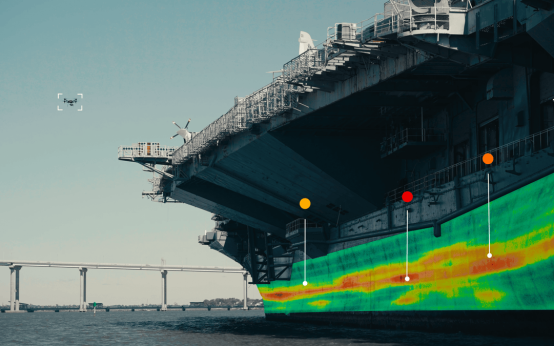 U.S. Navy Expands Contract for AI-Powered Ship Inspection
  Allegations of Surveillance by Former OpenAI Engineer with Saudi Connections
  Debate Over Autonomous Vehicles in D.C.
  Elon Musk Pledges SpaceX Shares for American Children
  NATO’s Air Defense: Tackling Rising Drone Threats
  TikTok’s Internal Concerns Over Child Safety and Content Risks