Inflated Claims and Privacy Concerns
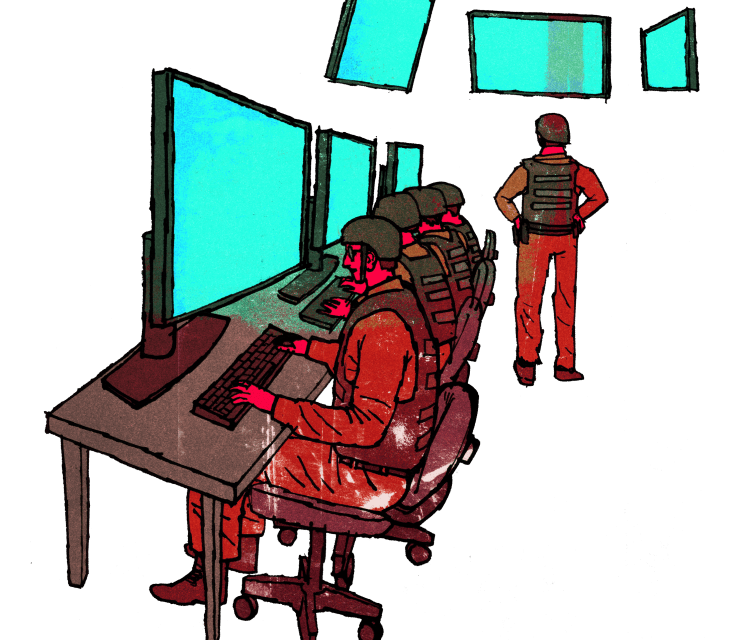
Homeland Security Investigations (HSI) used its technology platform to identify noncitizens on voting rolls. Internal warnings indicated this would produce numerous false positives. Privacy issues arose when Department of Justice (DOJ) leaders allegedly ignored internal concerns about the legality of transferring voter lists to HSI for investigation.
Minimal Outcomes
Despite pressure from the White House, the campaign has led to only a few dozen noncitizen voter prosecutions, with even fewer convictions. Joe Teirab received urgent directives to find cases to support President Trump’s claims of illegal voting. Despite intensive scrutiny, only one prosecution was considered viable out of 130 reviewed cases. Teirab criticized the disorganized approach and the high priority status given without tangible results.
Trump’s Initiative
Since regaining office, Trump has focused on prosecuting noncitizen voting, claiming it undermines American elections. The Department of Homeland Security declared it found over 250,000 noncitizens on voter rolls in Democrat-led states, yet provided no explanation for this statistic. HSI, traditionally focused on cross-border crimes, has been tasked with leading the election fraud investigation.
Inside HSI’s Deployment
The investigatory push dates back to 2025, following suggestions from an HSI agent who supported claims of election fraud. This involved using HSI’s resources to search public voter lists. The effort expanded with a controversial collection of voter rolls for matching against Homeland Security databases.
Efforts and Results
Between January 2025 and May 2026, less than 150 alleged noncitizen voters were referred for prosecution. Only 41 were charged with election-related crimes. This represents a tiny fraction of over 150 million voters in the last presidential election. Despite minimal success, administration officials insist the initiative is meaningful in ensuring voter roll accuracy.
Privacy and Legal Challenges
DOJ career staff expressed concerns about sharing voter rolls with DHS without violating privacy laws. Yet, this mass data-sharing proceeded, raising alarms about legal overreach. Former DHS officials have criticized the use of HSI for pursuing individual cases of illegal voting, sparking debate over resource allocation and legal propriety.
Operational Challenges
Many HSI agents, lacking experience in election fraud, struggled with identifying viable cases. Discrepancies in voter registration data compounded these difficulties. Errors and misunderstandings were often classified as administrative, not criminal. This led to frustration and limited indictments among federal prosecutors.
Consequences of Resource Diversion
The concentration of HSI resources on election fraud investigations has strained its ability to manage other critical operations. Notably, efforts against drug rings, human trafficking, and similar crimes have lagged. Reduced wiretap usage reflects a broader shift in enforcement priorities, raising concerns among security experts.
Political Implications
The limited results from the massive investment in election fraud investigations raise concerns of overreach. Critics argue that the administration might leverage the findings to push for restrictive voting laws. Concerns of federal overstep and the potential intimidation of voters remain a pressing issue.
 Trump Administration’s Controversial Use of Electrified Gloves
  Trump Accuses Preservation Group of Endangering National Security
  Border Infrastructure Project in West Texas Raises Concerns
  Analysis Reveals H-1B Labor Filings Distribution Across U.S. Congressional Districts
 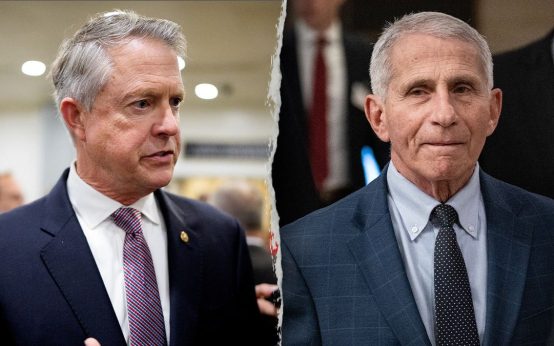 Senator Marshall Criticizes Dr. Fauci Over COVID-19 Vaccine Messages
  Jennifer Balkcom Appointed GOP Nominee for North Carolina’s 11th Congressional District