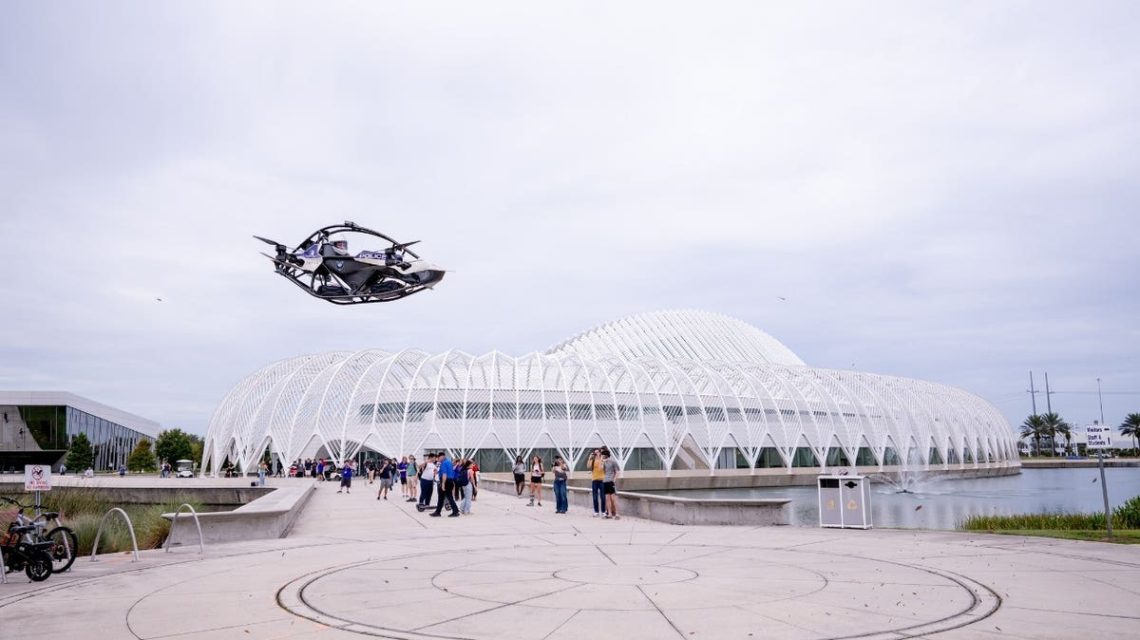
At Florida Polytechnic University, the campus is buzzing with innovation as their police department tests a new flying patrol vehicle called Astro. Built by Jetson, known for their Jetson ONE personal flying machine, this single-seat electric aircraft aims to enhance emergency response capabilities.
Currently, Astro stands as a unique addition to U.S. law enforcement fleets, marking a potential shift in how emergencies are managed. However, its deployment is pending Federal Aviation Administration (FAA) authorization, which is crucial for police operations. Astro represents a first-of-its-kind initiative, signaling possible advancements in emergency response strategies.
Astro’s Technical Specifications
Astro utilizes electric vertical takeoff and landing technology (eVTOL), allowing it to ascend directly into the air without the need for a runway. The aircraft has a compact design, featuring an open cockpit and a lightweight frame that can be folded for transport and storage convenience.
Its propulsion comes from eight electric motors powering eight propellers. Pilots maneuver the aircraft using a four-axis joystick. Jetson ONE, modified with police lights, has mounts for action cameras and can potentially include a pilot-controlled searchlight.
Astro can reach speeds of 63 mph, ideal for covering short distances. It has around 20 minutes of flight time per battery charge, presenting certain operational limitations. Recharging takes approximately 90 minutes with a 240-volt connection, while standard outlet charging takes about three hours. Officers can swap batteries to ensure quicker redeployment.
Potential Applications in Emergency Scenarios
In disaster scenarios like severe storms, roads might be impassable for ground vehicles. Astro could provide aerial surveys of affected areas, assisting emergency teams in identifying and addressing issues swiftly. Police Chief Aaron Murray emphasizes Astro’s potential to access areas unapproachable by conventional means and deliver emergency supplies.
Future collaborations with regional law enforcement agencies are planned to explore Astro’s use in emergency response missions. Despite its utility, Astro currently can only carry its pilot, limiting rescue capabilities due to weight restrictions.
Regulatory and Research Considerations
Astro’s operational future hinges on regulatory approval. Designed under the FAA’s Part 103 ultralight rules for recreational use, Astro requires additional federal authorization under FAA Part 91 rules for public safety missions. Pending approval, its operational status remains uncertain.
Beyond police duties, Astro serves as a research tool for Florida Polytechnic students, enabling practical learning in aerospace engineering. The university plans to use flight data for research initiatives and explore virtual training simulations, aiding in evaluating electric aircraft performance in specific missions.
The Future of Flying Police Vehicles
Astro suggests alternate possibilities for law enforcement compared to traditional helicopters, which are resource-intensive. Small electric aircraft like Astro could offer viable alternatives for specific missions, providing a swift aerial perspective that drones might not.
However, Jetson’s aircraft faces limitations such as brief flight durations, necessitating strategic planning. Swapping batteries could support repeat flights, though logistical challenges remain.
Privacy concerns arise with aerial technology use, prompting discussions on surveillance limitations and data collection transparency. Florida Polytechnic has an opportunity to investigate these aspects while awaiting necessary regulatory consent.
While the likelihood of seeing police flying above neighborhoods remains distant, Astro represents an early exploration into public safety’s aerial future.
 Criticism of Apple News for Alleged Liberal Bias
 Binance Recovers Majority of Stolen Cryptocurrencies After North Korean Hack
 OpenAI Introduces Locked Chats Feature for ChatGPT
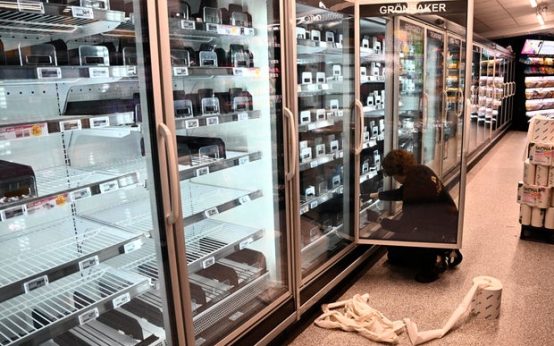 Cyberattacks Disrupt Refrigeration in European Grocery Stores
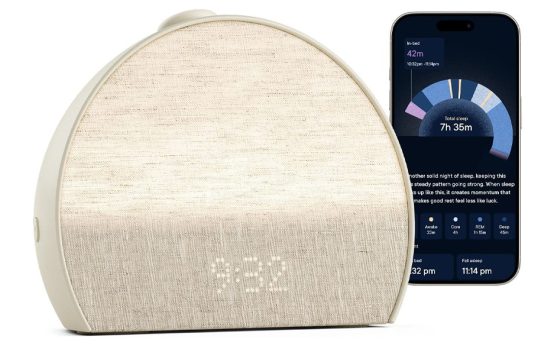 Best Tech Gifts for Hard-to-Shop-For Individuals
 Robots Climb Mount Tai in Endurance Challenge