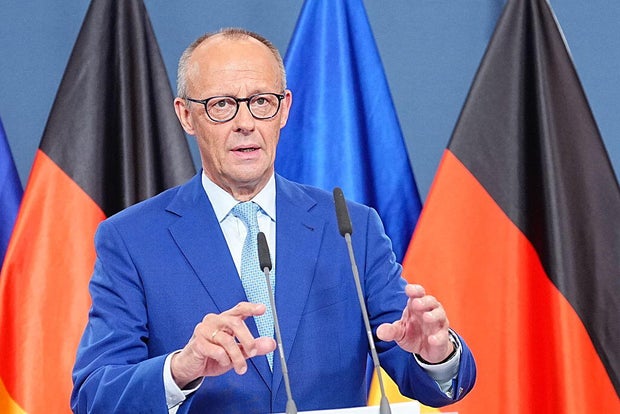
German Chancellor Friedrich Merz is steadfast in his commitment to implement reforms in Germany’s economy despite disappointing results in recent state elections. Public broadcaster ARD’s exit polls revealed that Merz’s Christian Democratic Union (CDU) only earned 5% of the vote in Mecklenburg-Western Pomerania, marking a historic low for the party since World War II. In contrast, the far-right Alternative for Germany (AfD) saw substantial gains.
Merz described the election outcome as a “disaster” but maintained that reform plans would proceed. He emphasized that Germany’s current challenges made the need for reforms even more crucial. Speaking at Konrad Adenauer House after the elections, Merz stated, “What needs to be done now requires backbone, steadfastness, and patience.”
In Berlin, the CDU was projected to finish second with 20%, trailing behind Die Linke at 24.5% based on ARD’s exit poll. Elif Eralp, Die Linke’s lead candidate, expressed joy over their success and stated, “In our city, love and justice have triumphed over hatred.”
Merz’s predicament worsened after the CDU’s loss to AfD in Saxony-Anhalt on September 6. Many Germans were surprised by AfD’s growing support, especially considering Germany’s efforts to distance itself from nationalism and racial superiority.
On Sunday, AfD gained 37% of the vote in Mecklenburg-Western Pomerania and 15.7% in Berlin. Despite these gains, they remain unable to form a regional government. AfD’s national co-leader, Tino Chrupalla, criticized Merz, stating that the chancellor’s response had been inadequate.
Referring to AfD’s rise, Merz labeled his reforms as “the antidote to the poison of authoritarianism.” As a long-time leader, the CDU has frequently governed Germany post-World War II. Merz, who became chancellor 16 months ago, aimed to revitalize an economy plagued by stagnation. Although moderate growth has resumed, the labor market remains weak. Unemployment rose to over 3 million people in August, a 36,000 increase from the previous year.
The CDU’s struggle in Saxony-Anhalt, where AfD could form a far-right regional government, has further weakened Merz’s national standing. Within the CDU, voices have emerged calling for his resignation, though no high-profile endorsements for this stance have surfaced.
Anticipating post-election challenges, Merz canceled a trip to New York for the U.N. General Assembly. Nevertheless, he remains committed to completing his term as chancellor despite existing challenges.
 Controversy Surrounds Children’s YouTube Star and Journalist’s Revelations
 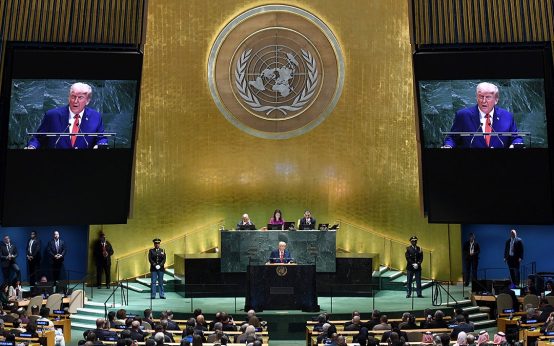 Trump’s Approach to Iran at the United Nations
  North Korea’s Missile Launches Escalate Tensions
 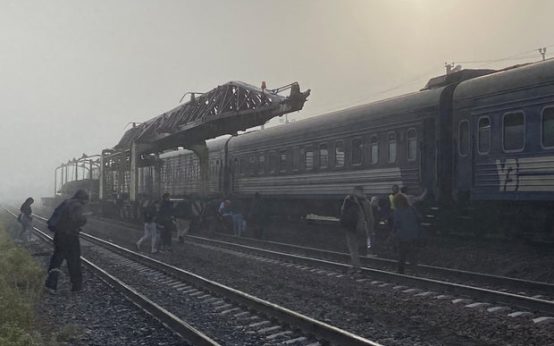 U.S. Plans for Permanent Army Base in Poland Amid Tensions with Russia
  Berlin’s Mayoral Race: A Candidate Inspired by New York Leadership
  Cuba Faces Sixth Power Grid Collapse Amid U.S. Fuel Blockade