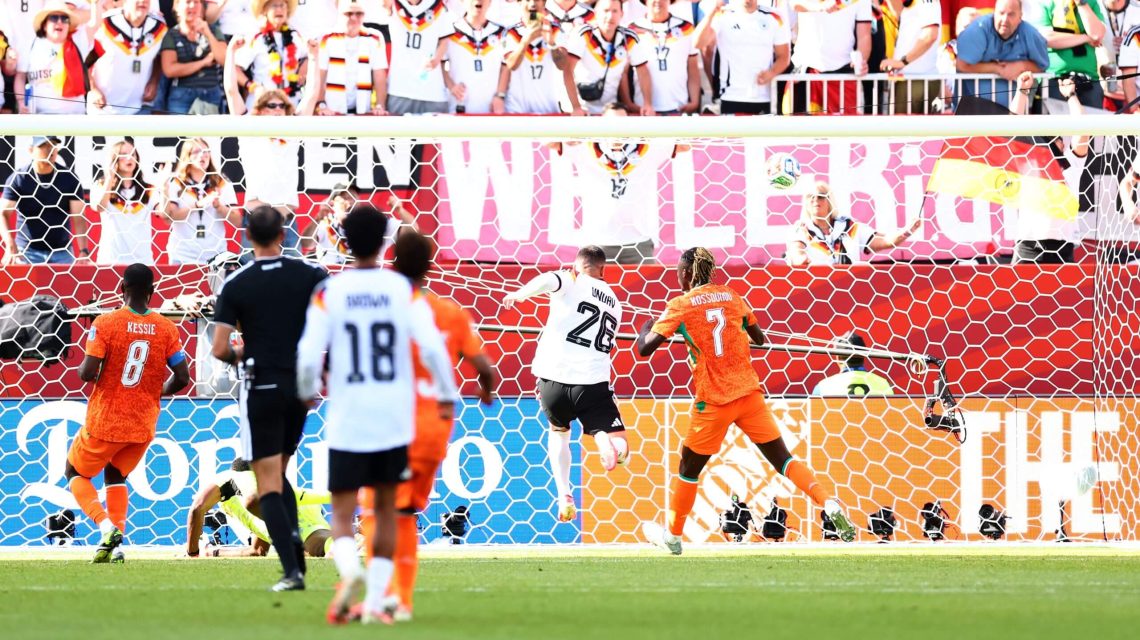
Germany’s strong reputation in the World Cup is no coincidence. The team’s resilience was tested against Ivory Coast, trailing 1-0 due to Franck Kessie’s goal. The turning point came with Deniz Undav, who scored two second-half goals, including one in stoppage-time, securing Germany’s place in the last 32.
German Comeback and Performance
Germany’s comeback win was the second of its kind in this tournament, following South Korea’s victory over the Czech Republic. The team struggled in the first half, unable to break through the Ivory Coast’s disciplined 4-1-4-1 setup. Key players Florian Wirtz and Jamal Musiala found it hard to make an impact, and Germany’s scoring opportunities were scarce apart from a Kai Havertz header from Joshua Kimmich’s cross.
A strategic change occurred with a triple substitution at 60 minutes, introducing Deniz Undav to partner with Havertz in attack. This adjustment created new dynamics, and just eight minutes later, Nadiem Amiri assisted Undav for the equalizer. Germany’s final move was executed perfectly. Felix Nmecha’s precise pass found Undav, who turned and scored the winning goal.
Germany may not have been convincing throughout, but this victory mirrors Argentina’s triumphs a few years ago, unpolished yet effective.
Deniz Undav: A Supersub Success
Deniz Undav’s equalizer and winner were highlights of the match. Substitutes played a major role, with Amiri providing a perfect cross and Undav showcasing his lethal finishing. Last season, only Harry Kane scored more than Undav in the Bundesliga. The decision to bench Musiala for Amiri was risky but paid off.
Undav’s rise from the German fourth tier to the World Cup is impressive. He is now seen as Germany’s solution in crucial situations. While Nagelsmann required Undav’s brilliance to avoid defeat, the mixed analysis reveals both the coach’s acumen and the team’s initial failings.
African Teams Shining
Though Ivory Coast lost at the end, their performance was noteworthy, highlighting African teams’ strong presence in this tournament. With 10 teams participating, their impact is significant.
Ivory Coast played well, utilizing a 4-1-4-1 defense and a 4-3-3 in attack. They pressured Kimmich’s role as a full-back. Ivory Coast faces Curacao next and is expected to advance to the last 32. Morocco, Senegal, Cape Verde, Egypt, DR Congo, and Ghana have all demonstrated commendable performances, leaving positive marks in the tournament.
Germany’s Fragile Defense
Ivory Coast exploited Germany’s defense, an area of concern for a decade. Kimmich’s inability to thwart a crucial cross was a key factor in Germany conceding a goal. Germany often struggles with basic errors that lead to goals. Adjusting the team formation to fortify defense without compromising attack might offer a solution.
Elye Wahi’s Situation
Ivory Coast’s Elye Wahi faced a tumultuous week. Initially barred from entering Canada due to match-fixing allegations, he later received permission to continue. French anti-corruption police arrested him over an incident involving a yellow card in a Ligue 1 game. The authorities allowed Wahi to travel by not pressing charges.
These events led to Wahi starting on the bench for Ivory Coast against Germany. Instead, Evann Guessand was used in the match, highlighting the team’s adaptability amid external challenges.
Upcoming Matches
Group E continues on Thursday, June 25. Curacao will face Ivory Coast in Philadelphia, U.S., while Ecuador and Germany compete in New Jersey, U.S., both matches scheduled at 4pm ET (9pm BST).
 Debate Over O.J. Simpson’s Omission from Buffalo Bills’ Wall of Fame
  Red Sox Remove Interim Tag, Appoint Chad Tracy as Manager
  Lane Kiffin Criticized After Ole Miss Loss While Florida Football Faces Social Media Fiasco
 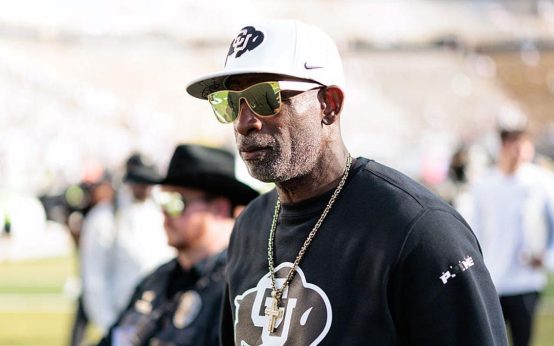 Deion Sanders Enforces Discipline After Colorado’s Defeat to Northwestern
  Steve Lotysz: From Medinah’s Gates to Presidents Cup Artistry
 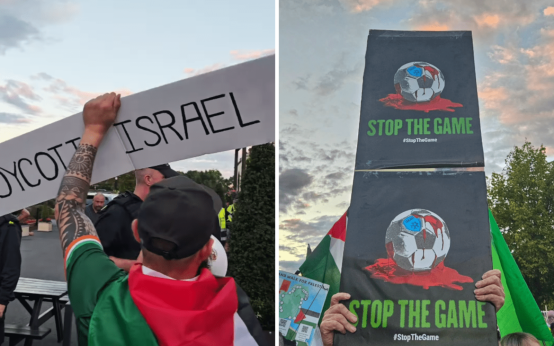 Calls Grow for Ireland’s Soccer Team to Boycott Matches Against Israel