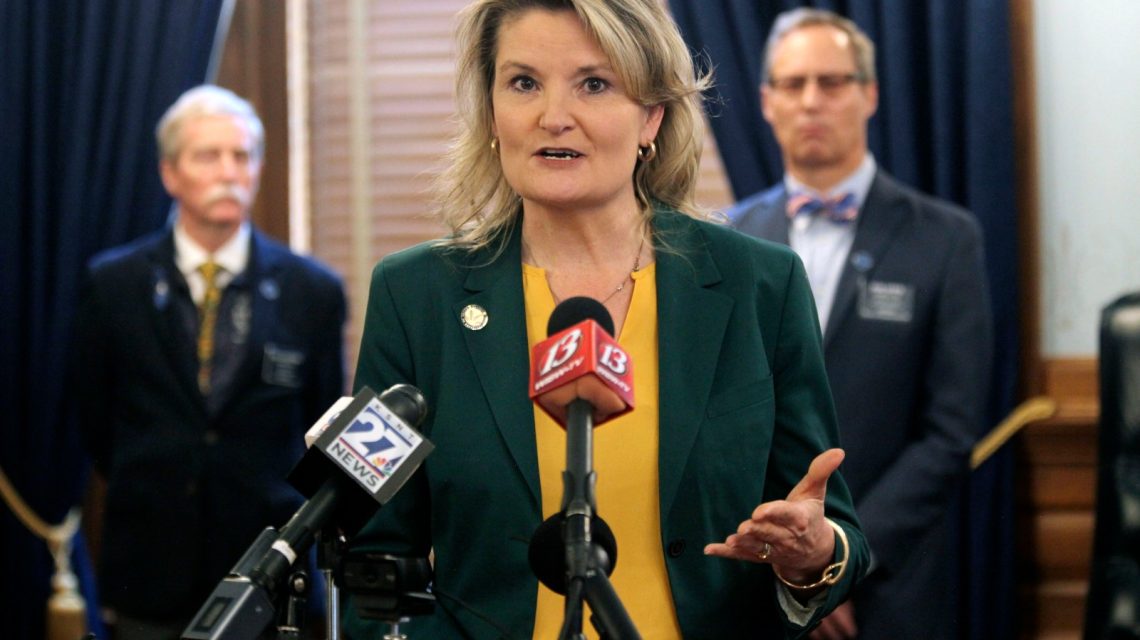
Just a week before the midterm elections, the Cook Political Report indicates increased Democratic prospects in governor races in Nebraska and Kansas. Both states, which were strongholds for President Donald Trump in the 2024 presidential election, have shifted closer to Democrats.
Nebraska and Kansas Race Changes
In Nebraska, the governor’s race has moved from ‘likely Republican’ to ‘lean Republican.’ Meanwhile, Kansas has shifted from ‘lean Republican’ to a ‘toss-up.’ Historically, midterms test the political climate for the party in power. Typically, the president’s party faces losses.
Despite winning Kansas and Nebraska in the 2024 race against Kamala Harris, Trump’s approval and efficacy on key issues like the economy and immigration have declined. This is amid household concerns over affordability and Trump’s efforts leading up to the November 3 elections, rallying for vulnerable GOP candidates.
Newsweek reached out to key campaigns for insight, including Republican Ty Masterson and Democrat Cindy Holscher in Kansas, and Republican incumbent Jim Pillen in Nebraska.
Insights on Kansas and Nebraska Polls
In Kansas, Trump secured a win with 57.2% over Harris’ 41%. Nebraska saw Trump with 59.3% to Harris’ 38.9%. The competitive race for the U.S. Senate in Kansas between Democrat Adam Hamilton and Republican Roger Marshall is noteworthy, with Cook reporting that the race volatility calls for more attention.
Despite Republican optimism in Kansas, Cook notes the challenging dynamics. Masterson has mostly led over Holscher according to polls. Holscher highlighted the toss-up status on social media, energized by recent shifts despite significant opposition spending.
In Nebraska, internal polls and a crowded ballot influence the race. Legal Marijuana Now Party candidate Rick Beard and America First Party’s Brett Lindstrom provide varying pulls on electorate dynamics. Trump’s endorsement supports Pillen, but diversions from third-party candidates could complicate outcomes.
Democratic nominee Lynne Walz’s spokesperson emphasized voter concern over governance, positioning Walz as a candidate focused on public interests over special interests.
Democratic Potential and Historical Context
According to Cook, Democrats might gain two to four gubernatorial seats this cycle. Republicans have held a majority of governorships for most of the last twenty years, apart from a brief Democratic period from 2007 to 2011, with 36 governor seats currently up for election.
Polling and Market Predictions
Recent polls in Nebraska showed a narrow lead for Pillen over Walz, with significant undecided voters. Prediction markets like Kalshi and Polymarket give Pillen an 82% chance compared to Walz’s 18%.
In Kansas, Masterson leads in polls with narrow gaps. Kalshi and Polymarket data show Masterson favored heavily over Holscher.
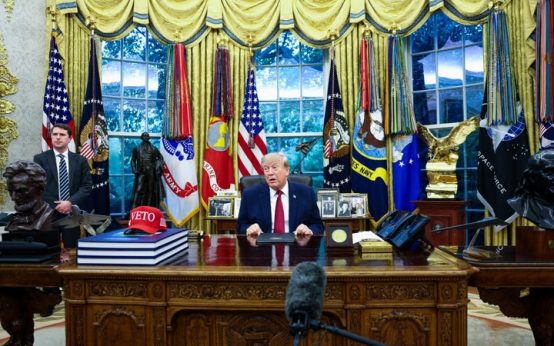 Trump Designates the Oval Office as a National Monument
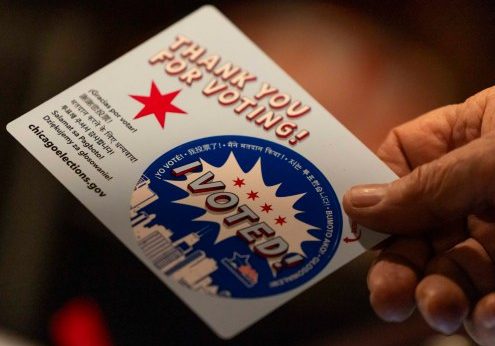 Lauren Underwood Wins Reelection in Illinois’ 14th Congressional District
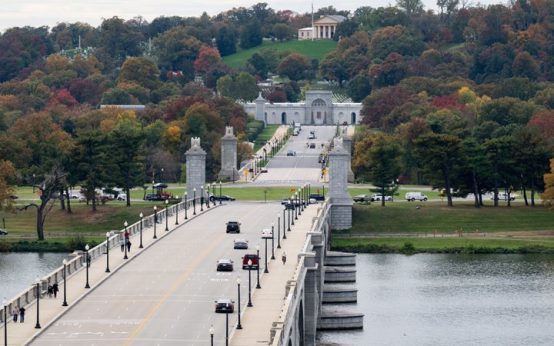 Controversial Construction of Triumphal Arch in Washington
 Media Coverage Following Election Results
 Stephen Miller’s Rise Signals Continuing Political Strategy for Trump
 Addressing Homelessness in Los Angeles: Can Nithya Raman Succeed?