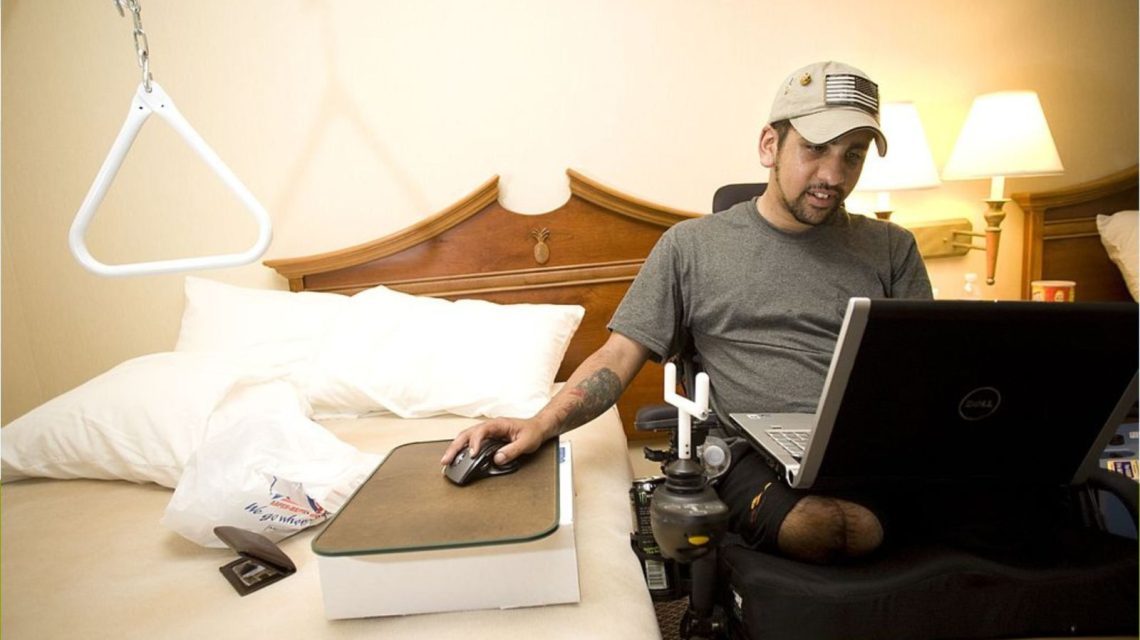
The House of Representatives has passed a new bill aimed at increasing benefits for some of the most severely disabled veterans in the United States. This legislation proposes an annual improvement of approximately $10,000 in benefits. Spearheaded by House Veterans’ Affairs Committee Chairman Representative Mike Bost and bill sponsor Representative Tom Barrett, the bill intends to provide additional support for veterans with service-connected injuries requiring substantial care.
Background
If approved, the bill would introduce the first significant non-inflationary increase in this type of benefit in over 20 years. Mike Bost highlighted the absence of such an increase since the 1990s. “It’s been decades since we’ve increased the amount that they receive,” he told Military.com.
Importance of the Legislation
Many veterans impacted have not seen a noticeable increase in their benefits beyond cost-of-living adjustments since the early 1990s. With frequent need for 24-hour care, specialized medical equipment, and assistance with daily life, these costs can quickly become burdensome for families.
“Our nation can never fully repay the debt we owe to the heroes and families who have served and sacrificed for our freedom,” Barrett said.
Key Changes Under the Bill
The proposed legislation, officially named the Sharri Briley and Eric Edmundson Veterans Benefits Expansion Act, targets an annual $10,000 increase in Special Monthly Compensation (SMC). This enhancement applies to veterans with severe disabilities, such as traumatic brain injuries or paralysis, requiring continuous in-home care. Approximately 7,000 veterans are expected to benefit nationwide.
The bill also includes a 1.5 percent increase in Dependency and Indemnity Compensation (DIC) for surviving spouses and families.
Implications for Affected Veterans
If enacted, the bill promises:
- Additional monthly income for eligible veterans, easing financial burdens.
- Increased stability for families providing full-time care.
- Improved support for families of service members who died in the line of duty.
However, the bill’s future is uncertain as it awaits Senate consideration. Final rules and implementation timelines will require further action and agreement in Congress.
“An extra $10,000 a year would not solve every challenge, but for those veterans it could make a significant difference in terms of daily care and other related costs,” said Alex Beene, a financial literacy instructor, to Newsweek.
Funding Controversy
While the benefit increase enjoys wide support, funding is contentious. The estimated cost is substantial, with some proposals suggesting adjustments to VA home loan fees to cover expenses. Critics argue this could impose additional burdens on other veterans.
This is politics: benefits on one side, offsets on the other,” said Kevin Thompson, CEO of 9i Capital Group.
Next Steps
The bill has cleared the House and now awaits Senate approval. Support from more than 20 veteran service organizations, including the Wounded Warrior Project, underscores the bill’s importance. According to Alex Beene, the Senate’s decision may hinge less on supporting veterans and more on finding agreeable funding methods without harming other veterans’ benefits.
 Federal Appeals Court Decision Against Trump’s ‘Third-Country’ Deportation Policy
  President Trump’s Controversial Ban on Media Outlets Sparks Press Freedom Concerns
  Family Files Lawsuit Following Tierra Walker’s Death Due to Preeclampsia
  UMass Dartmouth Football Player Killed in Providence Stabbing Incident
  U.S. Security Agreement in Greenland Sparks Optimism and Concerns
  Cook County’s Property Tax Bridge Loans