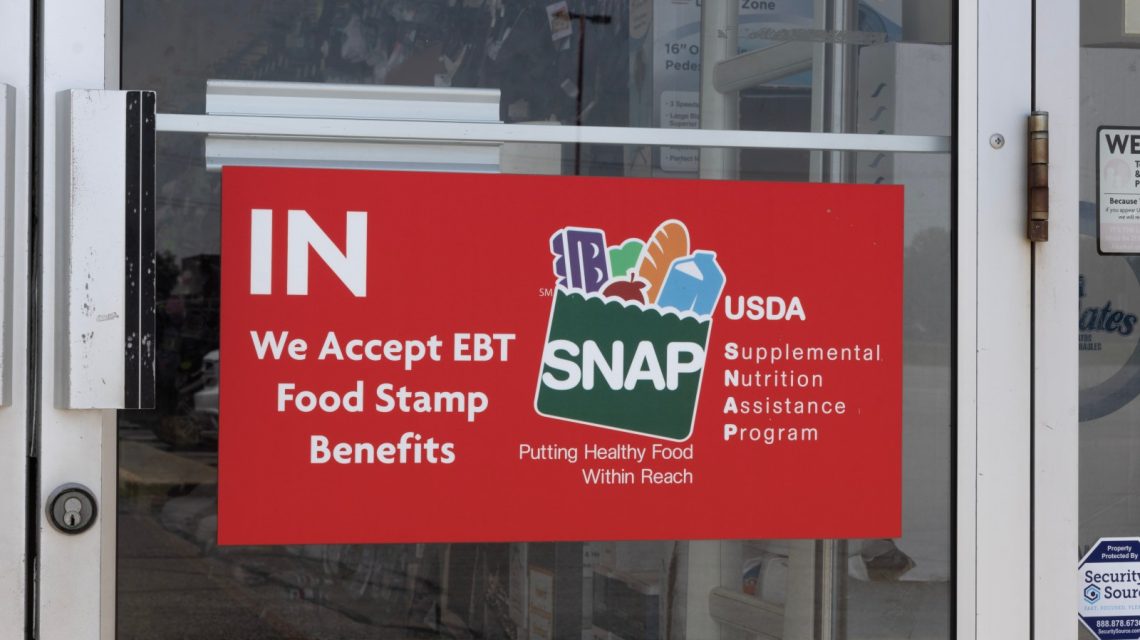
Overview of SNAP Changes
Recent reports from ProPublica and the Center on Budget and Policy Priorities (CBPP) reveal a significant reduction in food assistance for children under the Supplemental Nutrition Assistance Program (SNAP) in the United States. The decline is attributed to federal policy changes made in 2025 under the Trump administration.
Kevin Thompson, CEO of 9i Capital Group, stated the administration’s goal was to curb waste and fraud within government programs. This led to stricter eligibility criteria, increased work requirements, and reduced federal funding to states administering SNAP.
Importance of SNAP
SNAP stands as the largest anti-hunger initiative in the country, benefiting millions of families, particularly those with children. The program has been instrumental in reducing poverty and food insecurity, which improves overall health outcomes. The recent cuts in benefits raise concerns about the future wellbeing of low-income households.
Key Findings and Statistics
An analysis by ProPublica estimated 776,000 children in 12 states have lost access to SNAP benefits. These children contribute to 46% of the total decline in those states. The CBPP’s data echoed similar findings, showing over 700,000 children affected in these areas.
Nationally, SNAP participation has declined by millions. Not every state provides age-specific data, making it challenging to calculate an exact figure, but the impact is considerable.
ProPublica’s Findings
ProPublica evaluated 12 states with age-specific SNAP data and observed significant enrollment decreases post-2025 reforms. The budget cut under H.R. 1 reduced SNAP spending by about $187 billion through 2034, marking a 20% cut, the largest in its history.
More stringent work rules and administrative challenges like increased paperwork and state staffing shortages further compromised access to the program.
CBPP’s Analysis
The CBPP combined various data sources to analyze trends after July 2025. They found children accounted for nearly half of the 1.6 million drop in SNAP participation in those states.
Challenges in Accessing Benefits
The declines are not due to less need for assistance but arise from hurdles created by H.R. 1. States now share SNAP cost responsibilities and face penalties for errors, incentivizing them to tighten eligibility.
This environment has led to difficulties in application processes, causing denials or delays even for eligible families. Arizona and Louisiana saw drastic reductions in child participation by 55% and 22% respectively.
Impact on Children
The reduction in SNAP benefits could lead to long-term adverse impacts. The program’s link to better health suggests potential increases in diet-related illnesses among children previously covered.
Kevin Thompson highlighted concerns of rising poverty and associated social issues, such as increased crime and housing instability. Educational outcomes may also suffer due to nutritional deficits hindering cognitive and academic performance.
Furthermore, losing SNAP eligibility can disqualify children from other benefits like WIC and school meal programs.
Future Implications
Complete outcomes of the 2025 law are yet to manifest fully. States will encounter further financial duties in 2027, potentially escalating the restriction on SNAP access.
Alex Beene pointed out, “The long-term effects surpass a single missed meal, impacting health and educational achievements.” If alternative support systems remain unaddressed, the economics and social costs will likely outweigh the budget savings from current cuts.
 States Move to Restrict Tianeptine Amid Growing Concerns
  House Republicans Release Transcripts in Jack Smith Investigation
  RNC Files Lawsuit for Transparency in New Jersey’s Voter Roll Maintenance
  Italian PM Giorgia Meloni Skips UN General Assembly Amid Growing Tensions
  Calls Grow for Ireland’s Soccer Team to Boycott Matches Against Israel
  Congressman Randy Fine’s Bold Political Stance and Views on AI Regulation