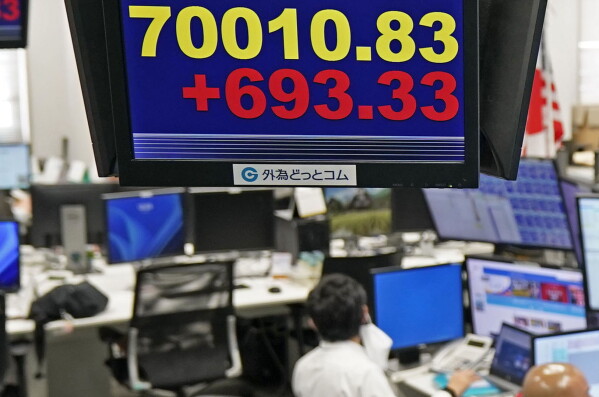
The tentative agreement to end the conflict in Iran and reopen the Strait of Hormuz has significant implications for the global economy. Despite the drop in oil prices on Monday, questions about the timeline and process for resuming oil shipments remain.
Before the war, the strait was responsible for transporting a fifth of the world’s crude oil. Hundreds of ships currently trapped in the Persian Gulf will need time to exit through the narrow passage. Additionally, Gulf oil producers, who reduced production, will require time to restart operations.
Analysts caution that ship captains might hesitate to resume passage until they are sure the threat from Iran has diminished. The overall situation suggests oil prices, inflation, and energy flows will not return to pre-war levels immediately, potentially taking weeks or even months.
The deal is set to be signed on Friday, but the details are not yet disclosed. Even with the strait opened, loading, traveling, and returning tankers will take time. For instance, a round trip to Japan can last 45 to 50 days. The maritime industry, including captains, insurers, and owners, may adopt a cautious approach due to the current uncertainties.
“Operationally, the sector is not rushing back,” stated Richard Meade, editor-in-chief of Lloyd’s List. Meade emphasized the necessity of clearing mines and using validated transit lanes for safe navigation.
Ships have begun moving through paths managed by Iran and under U.S. oversight. Iran has threatened vessels using internationally recognized lanes within the strait. Approximately 500 commercial vessels remain in the Persian Gulf. They cannot all exit simultaneously due to the strait’s limitations.
Amena Bakr from Kpler estimates six months for mine clearance, two to three months for vessels to leave, and three months to return production to pre-war levels.
The Uncertain Status of the Strait
Clarity over the strait’s re-opening remains elusive. Iran may demand fees for passage, as iterated by Donald Trump, but confirmation from Iran is pending. Discrepancies in statements from the U.S. and Iran make it challenging to assess Iran’s control over traffic and fee demands.
Potential tolls pose dilemmas for ship owners, given the designation of the Islamic Revolutionary Guard Corps as a terrorist group by the U.S. and EU, and existing sanctions by the U.S. Treasury. Paying tolls could expose entities to sanctions.
Legal experts note that allowing Iran control might breach international law; the United Nations Convention on the Law of the Sea mandates peaceful passage through territorial waters. The strait is bordered by Iran in the north and Oman in the south.
Resuming Oil Production
Middle Eastern producers paused oil extraction due to storage limitations. Restarting operations tends to be slow. Saudi Arabia and the United Arab Emirates, exporting via alternate routes, could resume production quicker, stated Alan Gelder of Wood Mackenzie.
According to Claudio Galimberti at Rystad Energy, improved sentiment is not tantamount to increased supply. Production ramp-up, logistical normalization, and reduced crude price risk premiums will take time.
Countries are unlikely to resume activities until assured of a sustained open strait and enduring ceasefire. Capital Economics projects energy flow resumption to 80% by September.
Inflationary Pressures
Even with the immediate reopening of the strait, inflation is unlikely to drop instantly. Neil Shearing from Capital Economics anticipates continued inflation above targets this year and into the first half of the next, amid weaker growth.
In Germany, the expiration of temporary fuel tax reductions could see inflation rise, as highlighted by Joachim Nagel of the Bundesbank. The overall recovery of oil supply and easing of inflationary pressures may take several months.
 Suspected Plague Outbreak in Siberia: A Detailed Report
  G7 Nations Agree to Release 100 Million Barrels of Oil Amid Rising Fuel Prices
  U.S. Initiates Military Reinforcement at Mexico Border
  Attempted Hijacking on FlyDubai Flight 1073
  Former U.S. Rep. David Rivera Sentenced to 10 Years for Secret Lobbying
  Investigation on Alleged FlyDubai Hijacking with Possible Terror Link