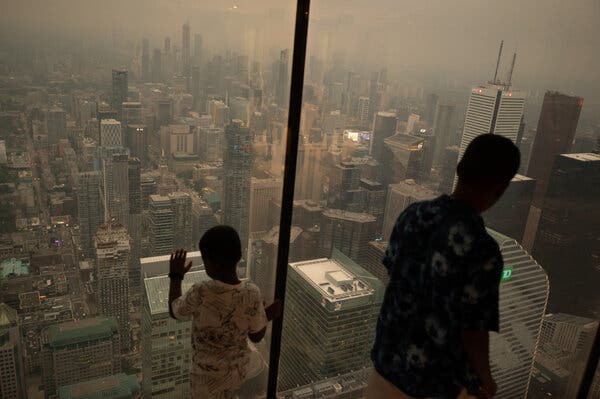
Canadian firefighters are experiencing a shift in wildfire behavior due to rising nighttime temperatures. Traditionally, cooler temperatures and higher humidity after dark helped slow down fires, allowing crews to manage flames more effectively. This pattern has altered with climate change.
Fire chief Randy Schroeder from Alberta notes that fires now persist with more intensity during nights. This continuous 24-hour fire cycle strains firefighting efforts and resources. Previously, cooler nights offered a break for firefighters to implement strategies like deploying sprinklers and operating heavy machinery without overheating risks.
The persistent overnight fire activity requires a reassessment of firefighting schedules, resulting in increased operational costs. Schroeder, who has led the Alberta Fire Chiefs Association, points out that when fires remain aggressive at night, crews often have to retreat from their usual tactics. If fires cannot be subdued in the absence of daytime conditions, the challenge is to find safer methods to combat such relentless fires.
These changes highlight the pressing need for adaptive strategies among firefighting teams to cope with the evolving impact of climate change on wildfire patterns.
 Cold Weather Alerts and El Niño Influence
  Turning Home Food Waste into Compost: A Guide
  Chicagohenge: When Sunlight Aligns with City Streets
  Fat Bear Week 2026: A Look at the Contest and Its Competitors
  California Governor Declares Statewide Emergency Ahead of El Niño Storms
  EPA Rollbacks and the Impact on Indiana Communities