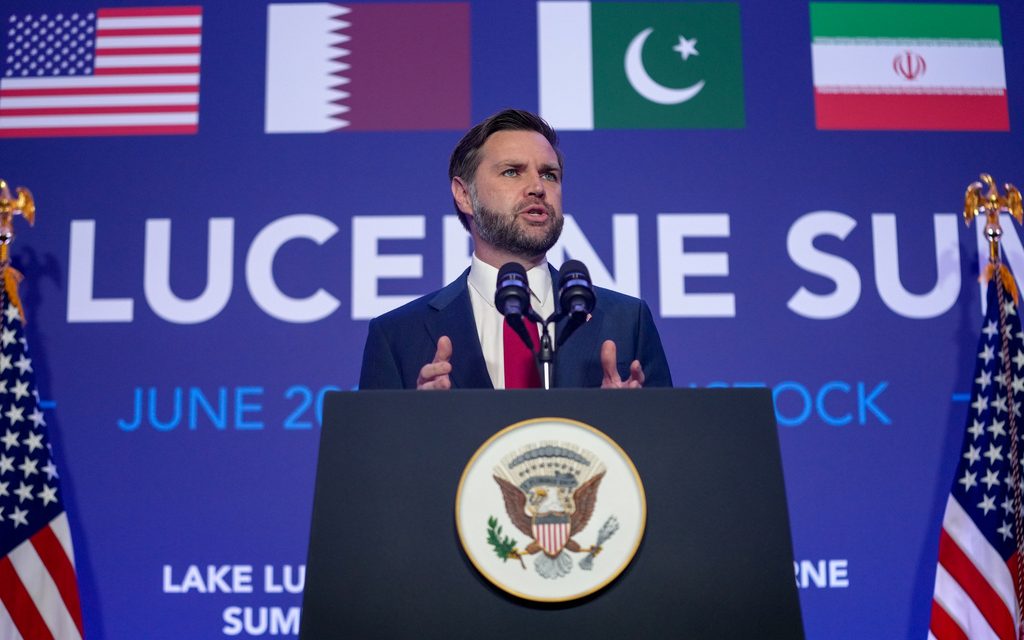
Vice President JD Vance addressed the media following high-level talks between the U.S. and Iran at the Bürgenstock Resort in Switzerland on June 22, 2026. At the center of discussions is the Islamabad memorandum, which centers on the release of $24 billion in frozen Iranian assets once a formal agreement is reached.
President Trump has emphasized that these assets will only be transferred upon finalizing a deal. The current debate targets the timing and appropriateness of releasing these funds. Crucially, these assets don’t belong to a select group but represent the cumulative wealth from Iran’s oil, commerce, and labor.
The regime, which governs through coercive means, does not truly represent the Iranian people. If returned, these funds may perpetuate the regime’s oppressive tactics. Washington’s recent actions against similar regimes show a precedent for keeping assets out of their reach. For instance, after the Afghan Republic’s fall, the U.S. created the Fund for the Afghan People. This initiative safeguarded $3.5 billion, preventing any access by the Taliban.
Similarly, mechanisms put in place by the U.S., EU, and UN have secured $3 billion away from Venezuela’s Maduro regime. These precedents underscore a strategy of asset protection for nations misruled by illegitimate governments. This strategy aligns with the International Emergency Economic Powers Act, offering legal bases for withholding such funds.
The primary focus now should be addressing Iranian connectivity. The regime suppresses information flow, hindering domestic protests and movements. Tehran’s impositions on internet access highlight the importance of circumventing state censorship. Digital solutions like direct-to-cell service could bypass restrictions. Connectivity proposals have faced funding challenges, with projected costs reaching substantial amounts.
A potential resolution lies in establishing the Iranian People’s Connectivity or Internet Freedom Fund, modeled after trusts built for Afghanistan and Venezuela. Such a fund would utilize Iranian assets, ensuring the regime doesn’t access funds. It would support direct-to-cell capacity, aiding communication without smuggling terminals.
The U.S.’s existing General License D-2 framework already supports communication tools to counter state censorship. However, political will and funding allocation are crucial for initiating such a program. An operational fund can significantly help ordinary Iranians in accessing communication networks.
A connected Iran could hasten the nation’s transition from its regime’s grip, offering hope to the people as rightful owners of their national wealth.
Authors Aidin Panahi, Ph.D., and Saeed Ghasseminejad, Ph.D., contribute insights. Panahi is an energy expert and part of the Iran Prosperity Project. Ghasseminejad is a senior fellow at the National Union for Democracy in Iran and the director of the Iran Prosperity Project.
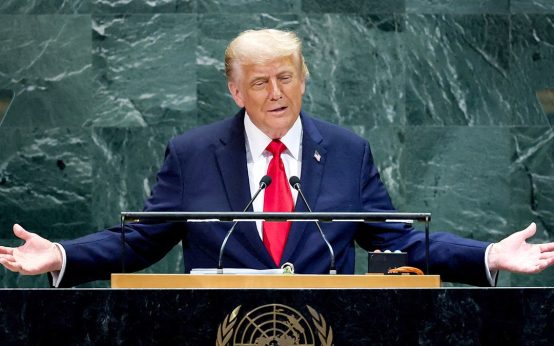 Diplomatic Complexities at the United Nations General Assembly
 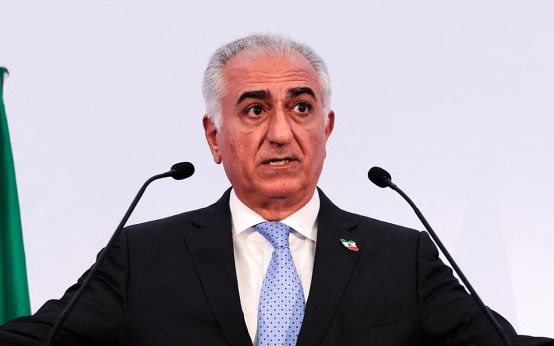 Understanding Iran’s Political Struggle: The Path to Transition
  Kate Middleton: The Monarchy’s Brightest Star
 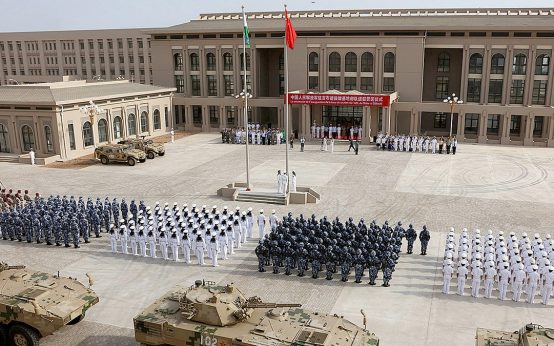 China’s Surveillance in the Red Sea Raises Concerns
  Prince Harry’s London Charity Event Amid Media Spotlight
  Converse Apologizes for Controversial Ad Sparked by Allegations of Racism