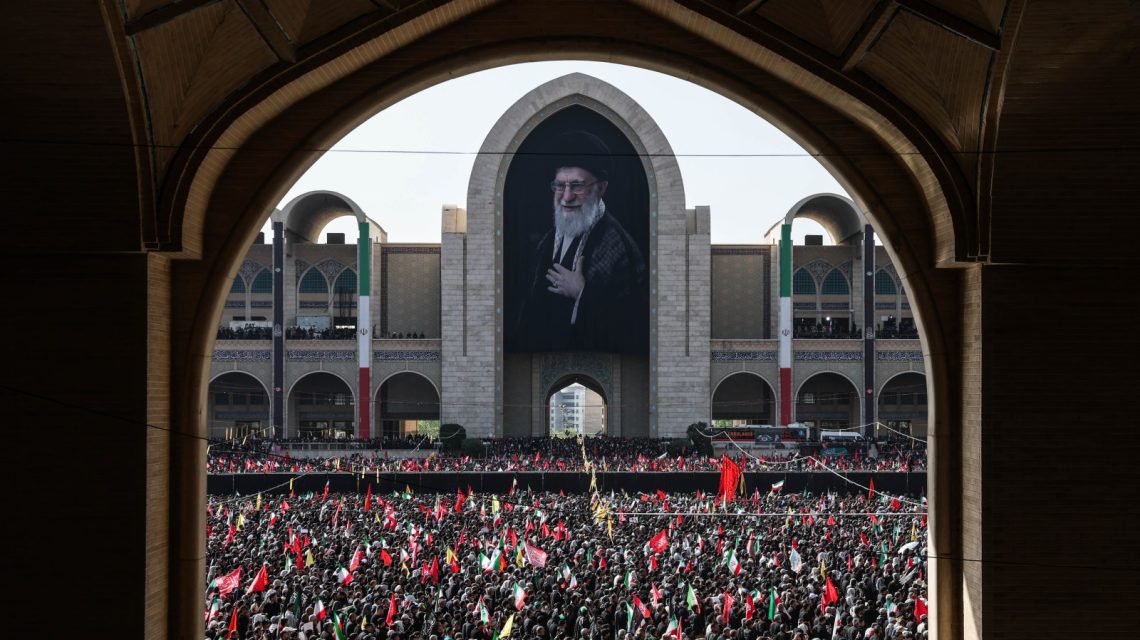
Funeral Ceremonies for Iran’s Supreme Leader
Iran has begun funeral ceremonies for Supreme Leader Ayatollah Ali Khamenei. These events have become a focal point for not only mourning but also tensions involving Tehran, Washington, and Israel. President Donald Trump has publicly commented on the funeral during a major holiday speech. Iranian officials have warned against any military action during the ceremonies and announced increased security measures.
With U.S.-Iran talks expected to resume after the funeral concludes, statements from both sides are raising questions about how the mourning period could affect future negotiations following the peace deal signed last month.
Trump’s Remarks on Iran During the Ceremony
Khamenei was killed in airstrikes at the outset of the U.S.-Israel conflict with Iran on February 28. Funeral ceremonies are planned from July 4 to July 9, drawing foreign delegations and millions of mourners. Iranian authorities delayed these ceremonies due to security concerns and ongoing conflict.
Trump addressed the funeral during an America 250 celebration in South Dakota. He discussed Iran and said, “We knocked the hell out of Iran. They’re dying to settle. They want to settle so badly. We gave them a week off for a funeral because we’re nice.”
In a subsequent interview with Axios, Trump talked about the concentration of senior Iranian officials at the ceremonies. He mentioned, “They are all there. One shot, [and we can take them all out], but we are not going to do that because then we would have nobody to negotiate with.” These remarks highlighted the U.S. administration’s interest in preserving the opportunity for future talks with Iran.
Iran’s Warnings to U.S. and Israel
Iranian officials have warned the U.S. and Israel against any military actions during the funeral period. On July 2, Iranian military commander Ali Abdollahi warned of “harsh retaliation” against any perceived aggression. Foreign Minister Abbas Aragchi echoed similar warnings, especially after a report suggesting that Israel had threatened the current supreme leader, Mojtaba Khamenei.
In response, Iran announced heightened security measures, including airspace restrictions, in cities like Tehran and Mashhad, where key ceremonies occur.
Attendance and Diplomatic Implications
Representatives from more than 70 countries have come to Iran to attend the funeral ceremonies. Millions of mourners are expected over the days-long event, which began in Tehran and will conclude with Khamenei’s burial in Mashhad on July 9.
The gatherings hold significance beyond national mourning. For Tehran, it is a chance to show strength and unity after conflict. For Washington, the funeral serves as a backdrop for assessing the potential continuation of diplomacy after the leader who shaped Iran’s system for decades has passed.
Aftermath and Future Talks
Further events will occur in Tehran, Qom, and Mashhad. Diplomatic negotiations between the U.S. and Iran are anticipated to restart after the funeral, though no final agreement has been announced yet.
 A Shifting Political Landscape: The Decline of Autocratic Power
  Trump Delivers Warning to Iran, Cuba at UN General Assembly
 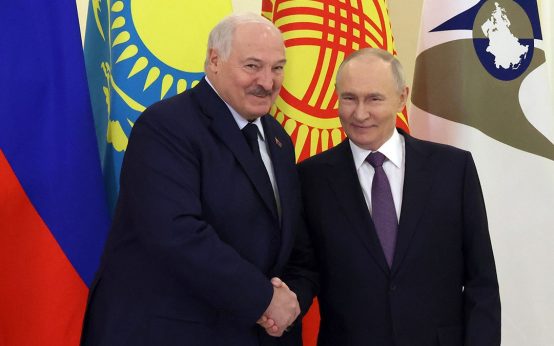 Lukashenko and Putin’s Unique Relationship and Belarus’ Strategic Role
  Alan Ritchson Faces Backlash Over Political Remarks
 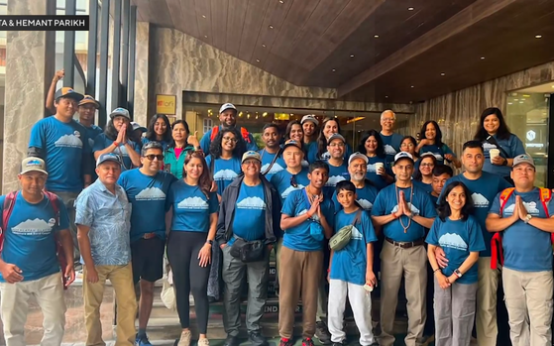 Himalayan Pilgrimage: A Couple’s Narrow Escape and Lingering Questions
  Former CEO Sentenced for Bank Fraud and Sanctions Evasion