A federal judge has permanently blocked an executive order from former President Donald Trump’s administration aimed at changing election processes. The ruling from U.S. District Court Judge Denise Casper in Boston finalizes her previous temporary injunction from a year ago. Judge Casper noted that the order would have required individuals to present documentary proof of citizenship for voter registration, violating the Constitution’s separation of powers.
According to Judge Casper, the Constitution gives regulation authority over elections to states and Congress, not the President. Among the blocked changes were measures to prevent counting of mail ballots received after Election Day, and withholding federal grants as penalties for noncompliance.
Reactions from Officials
New York Attorney General Letitia James expressed gratitude for the ruling, affirming her commitment to defending voting rights. California Attorney General Rob Bonta, representing the case, reiterated the states’ role in defining election rules. Both officials criticized Trump’s ongoing efforts to modify voting rights.
An administration spokesperson stated confidence in the legality of Trump’s executive order, which aims to ensure public confidence in electoral administration. They indicated potential plans to appeal the ruling.
Trump’s Legislative Efforts
President Trump has attempted to push similar voting changes through Congress. He supports the SAVE America Act, mandating citizenship proof for voting. However, the Senate’s filibuster has stalled the legislation. Recently, Trump canceled a housing bill signing as a protest against the legislative delay.
Challenges of Proof-of-Citizenship
Implementing a citizenship proof requirement is complex. A 2025 University of Maryland study revealed over 21 million eligible voters lack easy access to required documents. This bureaucratic hurdle affects many potential voters, including nearly 10% of Democrats and 7% of Republicans. Administrative delays in obtaining documents, such as passports and birth certificates, exacerbate the issue.
Examples exist, like a Kansas law that blocked over 31,000 eligible citizens from voter registration before courts intervened. Advocates argue noncitizen voting is rare, given existing certification on voter registration forms and severe penalties for violations.
Upcoming Supreme Court Decision
The U.S. Supreme Court is expected to decide whether mail ballots must be received by Election Day. This decision could immediately alter voting procedures in 14 states with current grace periods for postmarked ballots.
 Alani Bankhead Faces Allegations and Campaign Challenges in Montana
  States Take Action Against Cash Welfare Abuse
 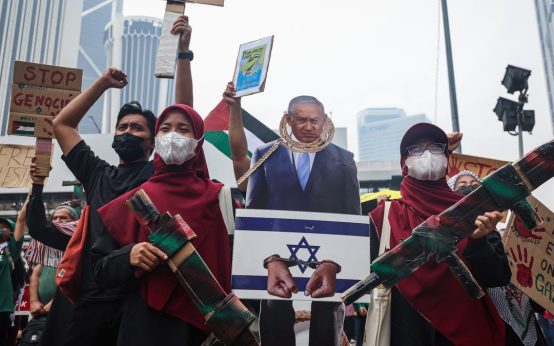 Global Coordination Behind Anti-Israel Protests
 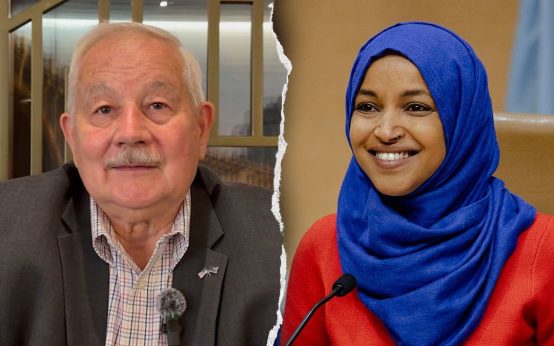 Violence in Twin Cities Spurs Criticism from GOP Candidate
  Jack Smith’s Political Involvement and Controversial Actions
  Trump’s Comments Spark Speculation About Senator Fetterman’s Political Future