
A federal judge in Boston has invalidated a $100,000 fee imposed on new H-1B visas by the Trump administration. This decision contradicts a previous federal court ruling that upheld the fee increase. The fee was initially introduced to discourage foreign workers from occupying American jobs.
U.S. District Court Judge Leo Sorokin ruled in favor of 20 states opposing the visa policy, stating that the executive branch overstepped its authority and violated the Administrative Procedure Act. This act oversees how federal agencies develop and issue regulations. Sorokin wrote, “The Court finds that the Policy imposes a tax on H-1B petitions without the requisite delegation by Congress.”
H-1B visas cater to high-skilled jobs in sectors where American workers are scarce. Technology companies, particularly those hiring from India, are the primary users of these visas. States argued that the fee hike complicated efforts to fill essential roles such as doctors and teachers, even before the fee was increased. The existing cost of H-1B applications already ran into thousands of dollars, causing widespread confusion and panic among employers, students, and workers. This led to several lawsuits, including one in Boston.
“Today’s victory protects the integrity of the H-1B visa program as a tool to address severe labor shortages in vital industries like education, healthcare, and medical research,” said Massachusetts Attorney General Andrea Joy Campbell.
The U.S. Chamber of Commerce also filed a lawsuit in federal court in Washington, D.C., which is currently under appeal. The fee increase remains effective until September 2026, the scheduled expiration date. Meanwhile, yet another lawsuit has been brought in San Francisco by religious groups and labor organizations, suggesting possible varied rulings across several judicial circuits.
In the Boston court case, states highlighted that the policy hinders their ability to hire educators, staff public colleges, and universities, and affects academic research and medical staffing. Bobby Mukkamala, president of the American Medical Association, called the ruling “a victory for patients,” especially given the physician shortages in underserved and rural areas.
The Department of Homeland Security expressed disagreement with the ruling, labeling it as “blatant judicial activism” interfering with President Trump’s immigration reform efforts. White House spokesperson Taylor Rogers asserted that the administration remains confident of overturning the order on appeal.
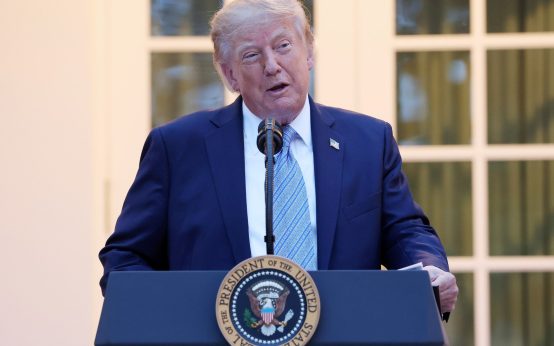 House Races Shift Amid Democratic Momentum
 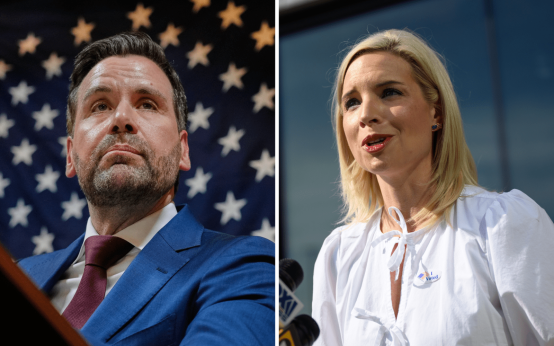 Iowa Senate Race: Marist Poll Shows Democrat Josh Turek Leading Republican Ashley Hinson
 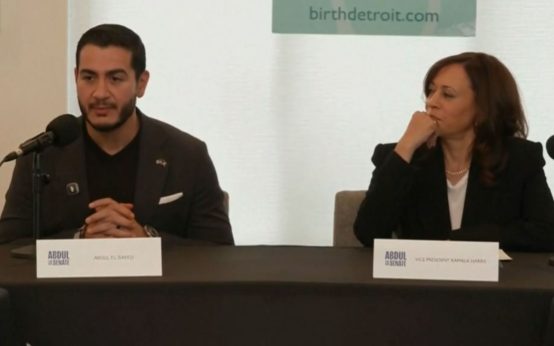 Kamala Harris and Abdul El-Sayed Campaign Together in Detroit
  Challenges Facing the Supreme Court’s Public Perception
 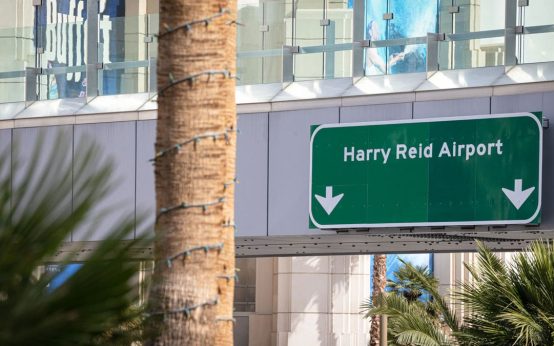 California Democratic Aide Arrested for Visa Overstay by Federal Authorities
  Experts Doubt Export Ban Will Lower Fuel Prices