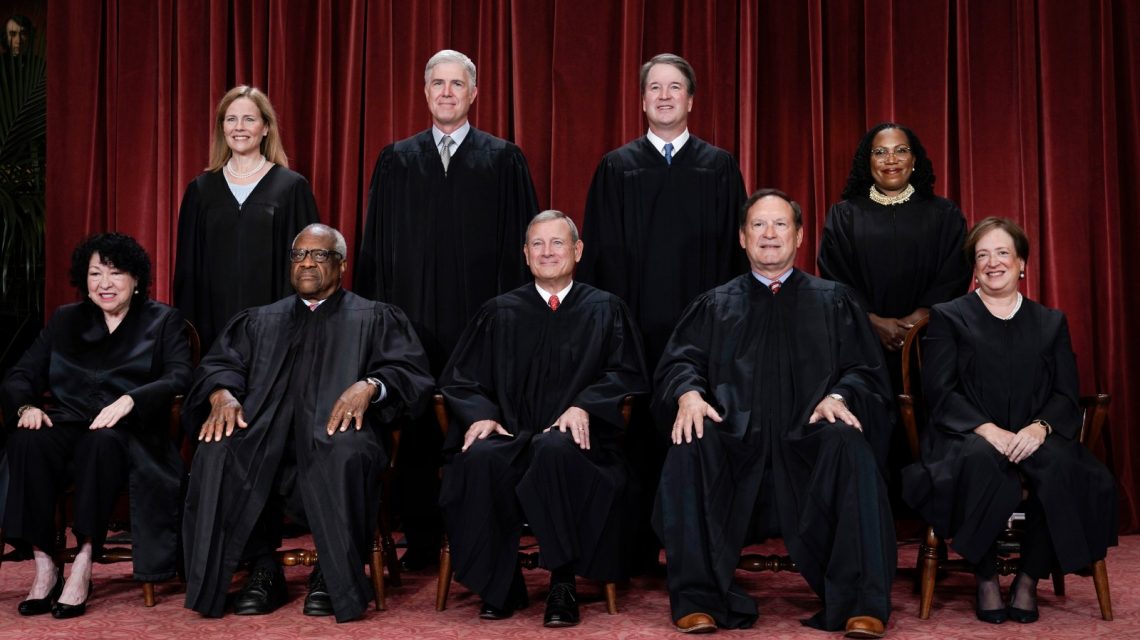
Judicial Conference Insights
Supreme Court Justice Elena Kagan described the atmosphere in the courtroom when President Donald Trump attended oral arguments in a birthright citizenship case as a “non-event.” Speaking at a judicial conference, she mentioned that the courtroom’s ambiance was typical, regardless of Trump’s presence.
Birthright Citizenship Explained
Birthright citizenship grants U.S. citizenship to individuals born on American soil, with some exceptions. The Trump administration aimed to challenge this principle, but the effort was blocked by the Supreme Court in a 6-3 decision on June 30. This was a notable ruling against the administration’s attempts to restrict this long-standing interpretation.
What Kagan Shared
Addressing judges and lawyers, Kagan revealed that Trump’s presence at the April oral arguments did not alter proceedings. Chief Justice John Roberts did not formally acknowledge Trump, who watched from the public section’s first row. The president left before the session concluded, which lasted around two hours. Kagan humorously speculated that Trump may not attend again.
Supreme Court’s Rulings Against Trump
Despite a conservative majority, the Supreme Court has ruled against Trump’s administration in significant cases. In addition to the birthright citizenship case, the court invalidated Trump’s broad tariffs imposed under the International Emergency Economic Powers Act (IEEPA), stating the executive lacked the authority to impose such tariffs without congressional approval.
Details on the Tariffs Ruling
The case, Learning Resources Inc. v. Trump, ended with a 6-3 ruling. The court concluded that the IEEPA did not empower the president to impose tariffs. Chief Justice Roberts stated the decision was based on maintaining the constitutional separation of powers.
Declining Public Confidence
Public trust in the Supreme Court has declined over the past decade, influenced by perceptions of political bias. Recent polls reflect this trend. A YouGov/The Economist poll found a 36% approval rating, with 50% disapproval. Another survey by Washington Post/Ipsos revealed 55% disapproval among Americans regarding the court’s performance.
Critics argue that the court’s conservative majority influences its decisions on contentious topics like abortion and immigration. Many believe the justices’ rulings reflect personal beliefs rather than impartial legal analysis.
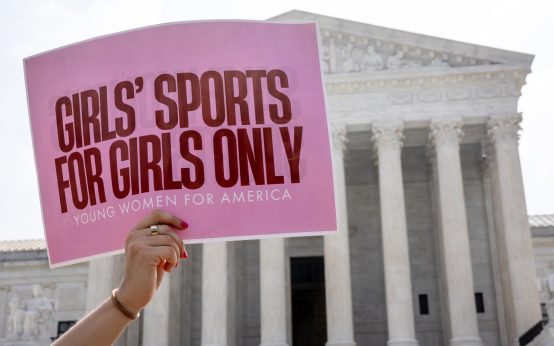 Debate Over Transgender Athletes Shapes Political Strategies
 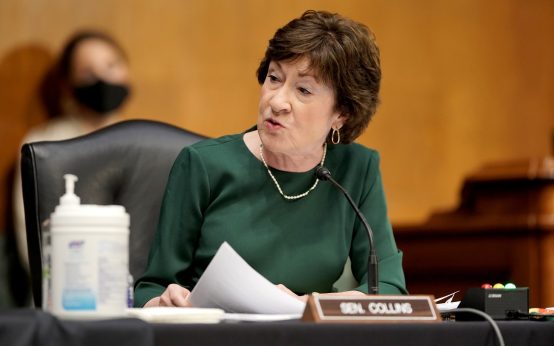 Collins Battles Trump Administration on NIH Grant Control
 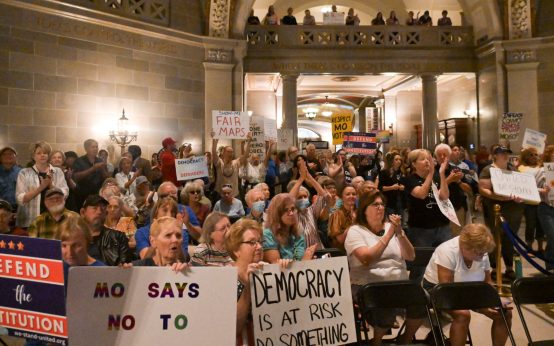 U.S. Appeals Court Supports New Missouri Congressional Map
  GOP Candidates Call to End Iran War Amid Rising Fuel Costs
  Trump Administration Seeks to Influence NIH Grantmaking
  Protests in Austin: Analyzing the Coordination Behind Anti-ICE Demonstrations