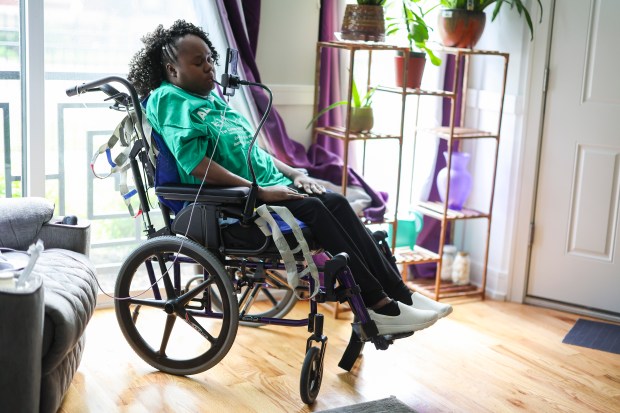
A federal lawsuit filed on Thursday disputes a new Illinois law set to begin in September. This law allows doctors to prescribe medication to terminally ill patients for ending their lives. The lawsuit includes two disabled patients, a doctor, and various disability and patients’ rights organizations. They argue that the End-of-Life Options for Terminally Ill Patients Act disrupts longstanding safeguards within doctor-patient relationships by diminishing the ethical obligation to do no harm.
The lawsuit names Democratic Gov. JB Pritzker, the Illinois Department of Public Health, and its director, Dr. Sameer Vohra, as defendants. It claims the law infringes upon several federal laws, including the Americans with Disabilities Act and the Affordable Care Act. Additionally, it alleges that the new law violates equal protection rights under the 14th Amendment.
A similar lawsuit was filed in New York against state officials, including Democratic Gov. Kathy Hochul, as that state’s medical-aid-in-dying law also comes into effect.
The Illinois lawsuit argues that EOLA changes the legal groundwork of every doctor-patient relationship. The new law replaces patients’ traditional legal rights to insist their caregivers adhere to a do-no-harm-obligation, allowing doctors to prescribe lethal medication to assist in patient suicide.
EOLA embarks on this reckless experiment with no guardrails and no adequate legal framework to prevent the erroneous taking of life, the lawsuit alleges.
The suit further claims that individuals with life-threatening disabilities might face undue pressure to consent to end their lives early due to influence from insurers, hospitals, and doctors. The state’s Department of Public Health and the governor’s office have not commented on the lawsuit due to the ongoing litigation.
Pritzker signed the End-of-Life Options for Terminally Ill Patients Act last year, concluding a long-running debate on whether those with up to six months to live should be allowed to use life-ending prescription drugs. Illinois joined several other states and Washington, D.C., in allowing medical aid in dying. Pritzker mentioned that the law would help patients avoid unnecessary pain at the end of their lives, though opponents argue that giving someone the option to end their own life is immoral.
Pope Leo XIV voiced his disapproval of the measure, expressing disappointment after Pritzker signed it into law. According to the law, qualifying patients — at least 18 years old and residents of Illinois — may orally request life-ending medication from their physician. Following this, a written request is required.
The patient must repeat the oral request five days after the initial one, and the written request must have two witnesses confirming the patient acts voluntarily and is of sound mind. During this process, the attending physician should offer the opportunity to withdraw the request. Physicians must also inform patients about end-of-life care options, such as hospice and pain management, outlining potential risks and benefits.
Organizations like the United Spinal Association and the National Council on Independent Living have joined the lawsuit. Plaintiffs include Ebony Payne, a quadriplegic who has faced life-threatening situations, and Pam Heavens, living with cerebral palsy, who argue that their disabilities make them vulnerable under the new law.
Dr. Nooshig Luz Salvador, another plaintiff, treats patients with disabilities, often at the end stages of their lives. Dr. Salvador believes that patients might not receive adequate guidance on end-of-life options due to being in shock or receiving poor communication from medical experts.
 Challenges Facing the Supreme Court’s Public Perception
  California Democratic Aide Arrested for Visa Overstay by Federal Authorities
  Experts Doubt Export Ban Will Lower Fuel Prices
  Trump Delivers Warning to Iran, Cuba at UN General Assembly
  Trump Delivers Stern UN Speech on Iran, AI, and Global Security
  Lukashenko and Putin’s Unique Relationship and Belarus’ Strategic Role