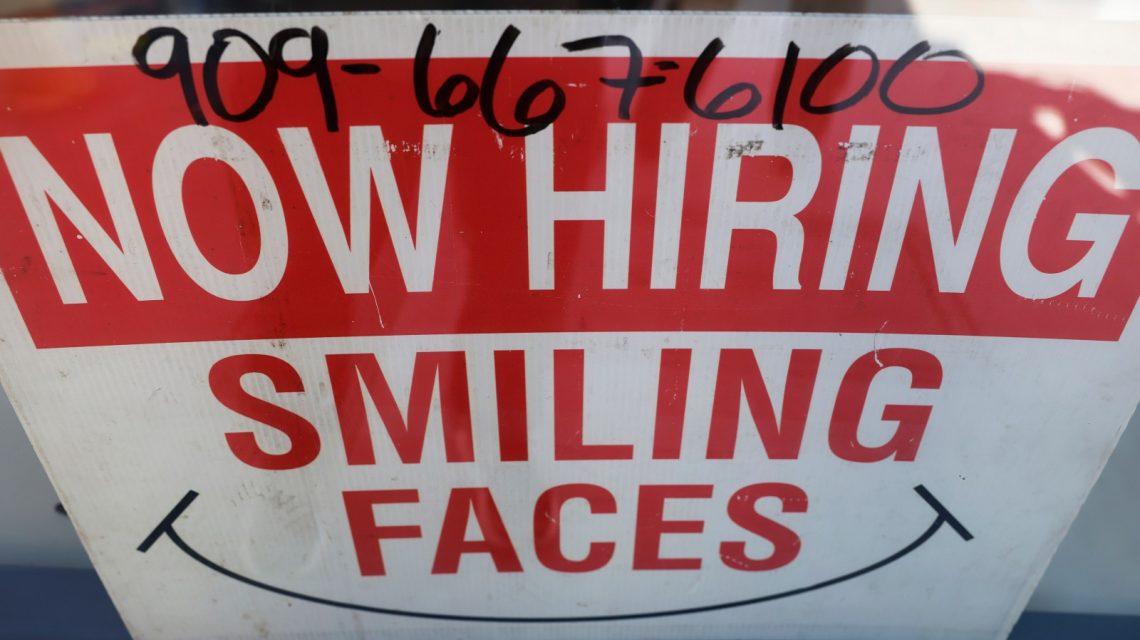
Layoffs in the United States appear to be slowing as June approaches, according to the latest Worker Adjustment and Retraining Notification (WARN) filings. Despite ongoing uncertainties in the labor market, many companies have set layoff dates for June, following a surge in job cuts in 2025. Experts suggest these layoffs indicate a broader economic shift. Companies are streamlining operations and hiring selectively as automation and AI reshape workforce needs. The economy is transitioning towards essential services such as healthcare and infrastructure, resulting in reduced roles in corporate and retail sectors.
Companies Laying Off Employees in June 2026
Based on recent WARN filings, several companies have confirmed layoffs for June 2026:
- Alliance
- Boys & Girls Club of the LA Harbor
- Community Healthlink
- FM Restaurants
- MarketSource
- Ryder
- Accel
- Gilead Sciences
- Battelle
- Wells Fargo
- Five Guys
- FreshRealm
- City National Bank
- Apple
- Joe’s Crab Shack
- PNC Bank
Layoffs Trend: WARN Notices in 2026
According to LayoffAlert.Org, layoffs have slowed since 2025, but there is potential for more announcements later in the year.
The June WARN notices show a relatively slow month, hinting at a cooling in layoffs after a volatile 2025. The labor market is stabilizing, yet it is not significantly strengthening. Kevin Thompson, CEO of 9i Capital Group, explains, “Pressure is evident across multiple sectors, especially those affected by tariffs, transportation costs, and weakened consumer demand.” Layoffs are impacting technology, manufacturing, transportation, and consumer discretionary sectors.
Most Impacted Industries
Data from Challenger, Gray & Christmas reveals the hardest-hit industries in 2025–2026:
- Government: 300,000 job cuts in 2025.
- Technology: Restructuring and AI-induced cuts.
- Retail: Store closures and shifting consumer habits.
- Warehousing/logistics: Automation reducing roles.
- Professional services: Decline in hiring.
In contrast, healthcare remains a robust hiring sector. Alex Beene, a financial literacy instructor, comments, “While AI is blamed for many layoffs, broader consumer financial concerns explain cuts in retail and transportation.” Consumers are financially strained, leading to reduced spending on new clothing and dining out.
Impact of Previous Presidential Administrations
Under former President Joe Biden’s administration, post-pandemic hiring was strong, resulting in low unemployment. However, during President Donald Trump’s current administration, layoffs surged. In 2025, 1.2 million job cuts were announced, a 58 percent rise from 2024, driven by government workforce reductions, corporate restructuring, and automation.
Michael Ryan, finance expert, notes, “WARN filings reveal smaller cuts accumulating at lesser-known firms…AI is replacing roles faster than new ones are created.”
Job Market Challenges
Currently, the job market reflects a “low-hire, low-fire” trend. Although hiring is reduced, layoffs aren’t sharply increasing. Job postings have declined. The Washington Post’s Job Postings Index indicates a decrease. In 2025, postings started 10 percent higher than pre-pandemic levels but barely exceeded these by October.
Growth is observed in health care, skilled trades, engineering, and specialized roles. Challenges are noted in tech, media, and corporate sectors. Thompson remarks, “Finding quality employment is tough now, with multiple interview rounds and fewer callbacks, taking 6 to 9 months for comparable roles.” This impacts savings, credit cards, and retirement funds.
Economic Implications
Current data suggests an economy in transition, with companies cutting costs and selectively hiring. Workers remain largely in their positions. Ryan mentions, “Speedy cash flow might demand accepting pay cuts or positions below previous levels.” A robust emergency fund is crucial to avoid hasty decisions.
Advice for Workers Facing Layoffs
Experts advise those facing layoffs to seek roles in high-demand sectors such as healthcare, skilled trades, and logistics. Upskilling through certifications can help reenter the workforce. It’s essential to apply for unemployment benefits promptly. Referrals remain crucial in industries with slower hiring.
Beene points out that finding a new job might be difficult in certain sectors and locations. Completing short-term training programs can help with quick job placement in needed fields. These programs are typically low-cost and swift.
What Lies Ahead
Workforce reductions may continue, but on a delayed timeline. Layoffs announced in April and May may effectuate later in summer. As June could be a lull, not a turning point, Ryan advises, “Act promptly to advance, rather than wait.”