Unraveling the Dispute
Claims have emerged in court filings suggesting that ‘broken egos’ play a role in decisions at the Kennedy Center. The conflict has escalated over persistent tarps covering the facade after a federal court mandated the removal of President Donald Trump’s name.
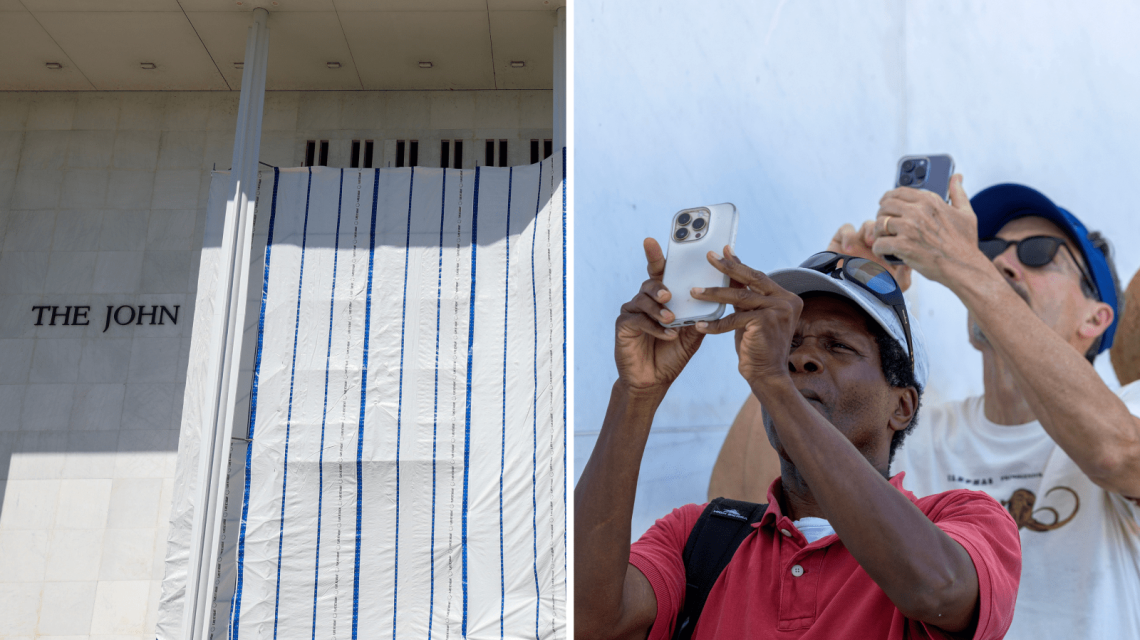
Massive coverings obscure the John F. Kennedy Center for the Performing Arts in Washington, D.C. Following signage removal, questions arise about the tarps’ purpose and adherence to the court’s ruling.
A filing from Representative Joyce Beatty’s attorneys, submitted on June 19, challenges the institution’s rationale for keeping tarps in place. It probes whether they pertain to maintenance or if compliance with the court’s ruling has been hindered.
U.S. District Judge Christopher R. Cooper’s directive requires updates on renovation plans, considering closure and repair options. The board’s vote in mid-July remains crucial.
The Court Mandate and Its Implications
Judge Cooper’s May 29 ruling centers on law, governance, and public accountability. The Kennedy Center’s designation as a ‘living memorial’ to John F. Kennedy under federal law was violated by adding Trump’s name according to Cooper.
The Kennedy Center Act mandates the name for President Kennedy, allowing Congress alone to change it.
The judge required removal of Trump-related signs within 14 days and blocked plans for a prolonged closure. This ruling drew attention to the hybrid governance structure, creating ongoing tensions.
By mid-June, officials confirmed the removal of physical signage linked to Trump. However, the action proceeded out of public view, hidden by scaffolding and tarps.
The Persistent Tarp Issue
Days after removing Trump signage, coverings prevent visitors from seeing the facade or confirming the displayed name. Kennedy Center spokesperson Roma Daravi cited marble and soffit panel maintenance for the delay.
Internal materials reveal substantial deferred maintenance, structural concerns, and end-of-life soffit panels weighing over 2,000 pounds.
‘Broken Egos’ Allegation
Beatty’s legal team contests the maintenance rationale, deeming the tarp ‘semi-permanent.’ They argue it’s meant to obscure compliance, claiming ‘broken egos’ among leadership interference.
Allegations of legal obligations neglect are outlined, warning that governance decisions risk diminishing the institution’s vitality as a national cultural center.
Visitor and Performer Perspectives
Visitors find the facade hidden, unable to verify the restoration of the Kennedy Center’s name. Actor Tommy Gedrich raises doubts about the marble preservation duration, highlighting accessibility challenges for performers.
Public reactions vary, with skeptics like Representative Jamie Raskin calling it a ‘literal cover-up,’ while others view it as a minor issue. The tarp’s presence prompts demonstrations, becoming symbolic of political and cultural tensions.
Renovation Plans Uncertain
Officials weigh options amid ongoing disputes: full closure, partial access, or phased repairs while proceeding with performances. The court’s ban on a planned two-year shutdown means operational continuity beyond July 5.
Broader Governance Conflict
The tarp dispute represents a wider legal and political struggle. Trump’s acquisition of the board in 2025 initiated rebranding efforts and shutdown proposals, contested by Beatty’s lawsuit.
Judge’s ruling invalidated the naming change and blocked closure, redirecting governance strategies. Issues around naming authority continue to highlight deeper governance and transparency concerns.
Uncertain Future
As the court reviews compliance, the tarps remain. The cultural landmark’s visibility persists in obscurity, with ongoing inquiries about governance and renovation timelines.
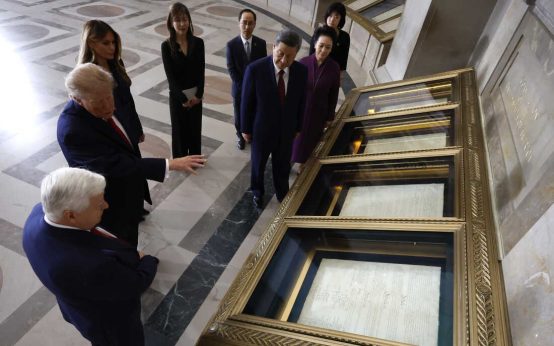 Sensitive Discussions During Trump’s National Archives Visit with Xi Jinping
  Zohran Mamdani’s Child Care Initiatives May Influence Other Leaders
  Ted Cruz Leads College Athletics Regulation Overhaul
 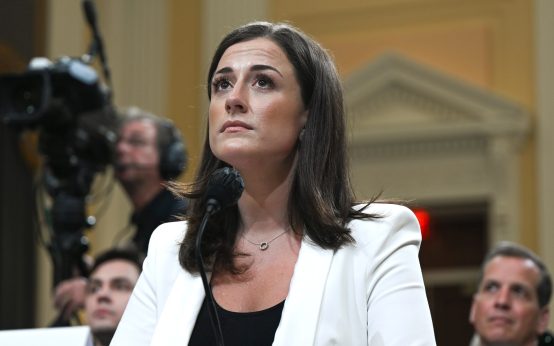 DOJ Investigates Former Trump Aide Amid Defamation Suit
  Key Developments from Today’s News
  Key Events in Politics and Technology: U.S. and U.K. Developments