
Insights from Kim Houk: A Labor and Delivery Nurse
Kim Houk, a seasoned labor and delivery nurse in San Diego and mother of seven, shares her insights on the role of partners in the delivery room. With eight years of experience, Houk has assisted in hundreds of births, witnessing a wide range of paternal behaviors.
She highlights the importance of a partner’s presence during childbirth. A 2014 study from the Journal of Perinatal Education indicates that continuous support during labor positively impacts maternal satisfaction and the childbirth experience.
According to a 2016 YouGov survey, 80% of American women prefer the father of their child to be present during delivery.
Common Missteps by Expectant Fathers
Houk has observed several behaviors she considers counterproductive in the delivery room. Some examples include:
- Focusing on distractions like setting up video games instead of providing support, notably during long labor inductions.
- Answering questions on behalf of their partners regarding pain management or epidurals, undermining the partners’ autonomy.
- Arriving under the influence of substances, particularly in light of California’s laws legalizing marijuana.
- Conducting loud business calls rather than being present, suggesting they might take the call outside.
- Inappropriate, sexual remarks during medical procedures or breastfeeding.
- Eating constantly, fearing to ask visitors to leave, or flirting with nurses.
Positive Behaviors for Supportive Partners
Houk advises expectant fathers to be informed about their partner’s birth plan, including personal preferences like epidurals and cord clamping. Their role should focus on support rather than control.
She stresses the importance of advocacy, urging partners to communicate the needs and wishes of the laboring woman to nurses and healthcare providers, especially when she is overwhelmed.
Partners should also meet physical needs, providing back massages, applying counterpressure, charging phones, offering snacks, and maintaining a peaceful environment with dim lighting and minimal visitors.
Houk concludes with a call for empathetic presence, discouraging complaints about personal discomfort to keep the focus on the partner’s experience.
Contact Newsweek editors regarding this story, including Rebecca Flood and Emma Lee-Sang.
 Antibiotic Resistance in Shigella Infections
 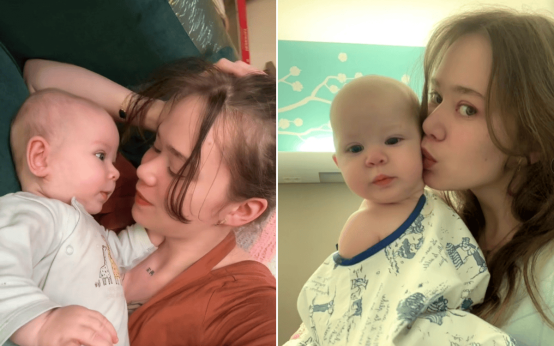 A Mother’s Journey Through Her Daughter’s Congenital Cataracts Diagnosis
  Family Seeks Answers in Daniel Magaña’s Jail Death
 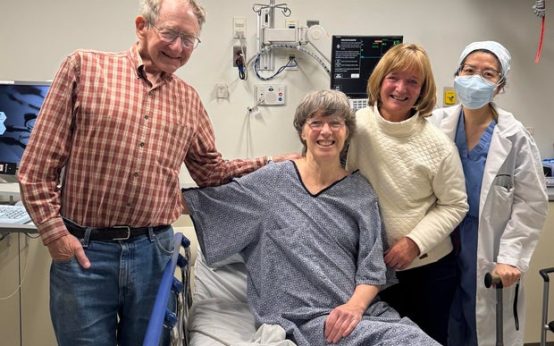 Facing Pancreatic Cancer: Vicky Titcomb’s Journey
  A Pressing Solution for Alzheimer’s
  Understanding the Perils of Ectopic Pregnancy