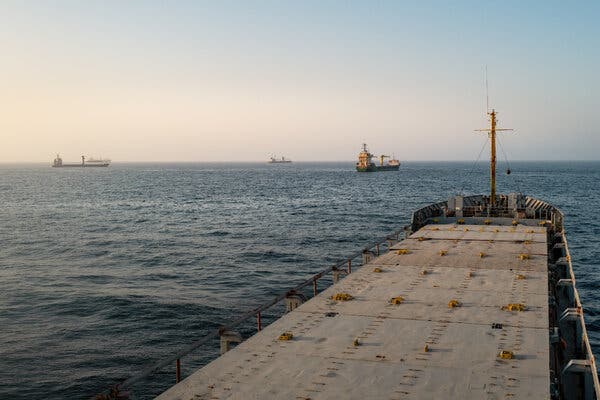
A research group based in London has suggested forming a coalition of countries to manage the Strait of Hormuz, drawing inspiration from a historical European pact on coal and steel.
If the conflict between the United States and Iran, originally fueled by issues surrounding Iran’s nuclear program, hints at a broader issue, it is Iran’s dominant position over the Strait of Hormuz. This situation has led to a significant reduction in oil supply, which comprises a fifth of the world’s total, and reignited hostilities between the nations.
Despite assurances from President Trump asserting that Iran lacks naval power and that the strait remains accessible, the volume of shipping has decreased significantly due to renewed Iranian assaults on commercial vessels. Diplomatic efforts have stalled, as U.S. and Iranian military forces continue exchanges in the region. Military analysts highlight the extreme challenges of attempting to secure the strait by force amidst ongoing conflict.
Seeking alternatives, an analytical group has proposed a compromise for the Persian Gulf region. They suggested adopting a model based on a defunct treaty that once regulated coal and steel production in Europe post-World War II.
According to this proposal, detailed in the report published recently, the Gulf countries would act as joint guardians of the strait. They would charge a minimal fee, applicable only to oil tankers, for ensuring the waterway’s maintenance. This fee aims to comply with international laws, appease Iran’s demands for increased control, and provide the eight bordering states with incentives to maintain regional stability.
“If we can’t imagine a world where these countries are administering a nominal fee to do some maritime safety and environmental work, then that is sort of a bellwether of whether there’s going to be some pathway to a more durable regional peace,” said Esfandyar Batmanghelidj, CEO of the Bourse & Bazaar Foundation, during a phone interview.
Batmanghelidj emphasized the importance of achieving basic cooperation as a foundation for addressing more significant regional challenges. Without this, he suggests, progress on larger issues will be unattainable.
 Increasing Number of Americans Seek Luxembourg Citizenship Amid Political Tensions
 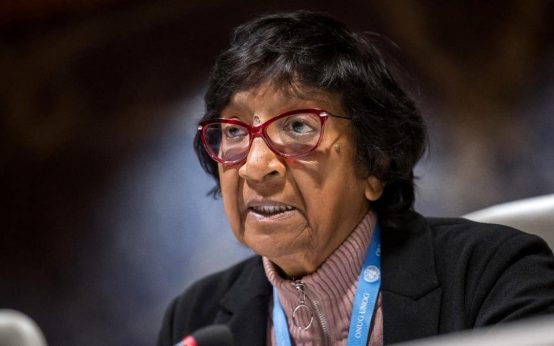 Jack Keane Defends Israel Amid UN Criticism, Pillay’s Nobel Victory
  Empire State Building Honors Fox News’ 30th Anniversary
 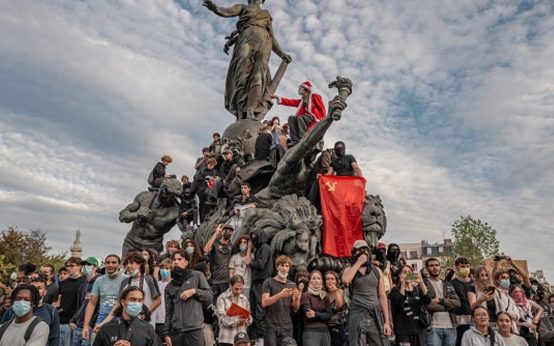 Investigating the Far-Left Influence Behind France’s Student Protests
  Navigating Complexities in the Strait of Hormuz Conflict
  Nobel Peace Prize Awarded