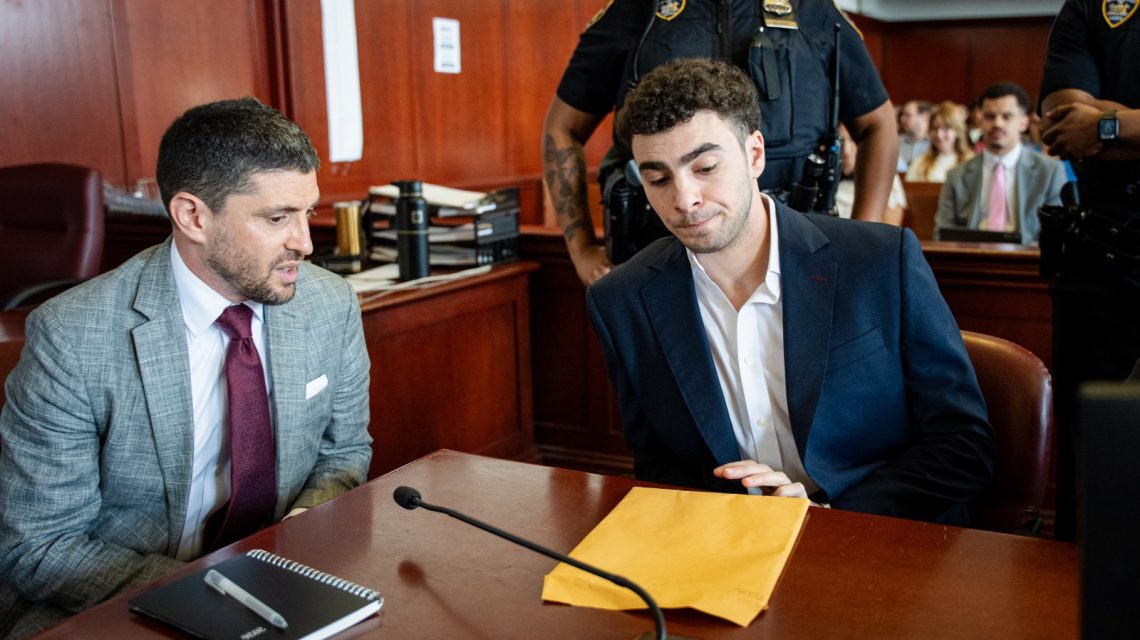
A judge ruled that Luigi Mangione will pursue a psychiatric defense at his upcoming state murder trial. This case involves the killing of UnitedHealthcare CEO Brian Thompson and is closely watched in New York. Judge Gregory Carro revealed that Mangione’s defense team plans to argue he was experiencing ‘extreme emotional disturbance’ during the incident. If successful, Mangione could face confinement in a psychiatric facility instead of a traditional prison sentence.
Understanding the Psychiatric Defense
In New York State, the ‘extreme emotional disturbance’ defense serves as an affirmative legal strategy. It allows a jury to reduce a second-degree murder charge to first-degree manslaughter. Unlike the traditional insanity defense, which asserts the defendant could not differentiate right from wrong, this strategy acknowledges the act but argues an overwhelming emotional crisis led to a loss of self-control.
If Mangione’s defense can prove this mitigating factor at his trial on September 8, he could avoid a mandatory life sentence. The judge could legally redirect the 28-year-old to a state psychiatric treatment facility rather than a maximum-security prison.
Pretrial Hearing and Defense Strategy
The ruling came after a confidential hearing held at the defense’s request two weeks ago. Carro explained that the secrecy allowed Mangione’s legal team to decide on pursuing a psychiatric defense and to clarify its extent. Records from this hearing will now be unsealed, revealing details of the defense’s strategy for the first time.
Mangione’s lawyer, Karen Friedman Agnifilo, opposed the unsealing, stating it could jeopardize his defense in a parallel federal case concerning the same facts. The psychiatric defense is unavailable in federal court, and she argued that revealing these arguments now could prejudice his client before that trial, starting October 13, after the state trial on September 8.
Prosecution’s Evidence in the Thompson Case
Mangione, aged 28, pleaded not guilty in both state and federal cases. Prosecutors allege he shot Thompson, 50, fatally on December 4, 2024. Thompson was walking to a Manhattan hotel for UnitedHealth Group’s annual investor conference. Surveillance captured a masked gunman, and authorities found ammunition at the scene with phrases like ‘delay,’ ‘deny,’ and ‘depose,’ often used against insurance industry practices.
Authorities arrested Mangione five days later at a McDonald’s in Altoona, Pennsylvania. Prosecutors argue a 3D-printed handgun found then matches the weapon used, and a notebook in his possession showed hostility toward the health insurance industry, with plans to target an executive.
Previous proceedings have impacted the evidentiary landscape. In May, Carro allowed both the firearm and notebook as trial evidence, strengthening the prosecution’s case. However, he dismissed a gun magazine charge, citing incorrect evidentiary standards during its initial search from Mangione’s backpack.
With trial dates nearing, Wednesday’s decision highlights the complex legal battles ahead. Defense attorneys will focus on Mangione’s mental state while prosecutors aim to connect forensic and documentary evidence to the high-profile killing.
 Florida Man Faces DUI Arrest After Admitting to Alcohol and Drug Use
  Mother Arrested After Abandonment of Newborn in Riverside
  Luis Uribe Convicted for Crimes Against Sex Workers
  Former Cornell Student Files Lawsuit Against University for Alleged Sexual Assault
  Fatal Car Crash Involving Undocumented Immigrant in Grand Rapids
  Prosecutors Oppose Kohberger’s Appeal in Idaho Student Murders Case