
On Monday, hundreds of migrants established a camp on a beach in Ceuta, a Spanish exclave in North Africa. Local authorities struggled to manage the large number that arrived following a recent border surge.
Spain estimates that over 69,500 migrants have returned to Morocco recently, surpassing initial counts of about 50,000 who entered Ceuta. On the Spanish side, the death toll is reported to be 72, while 11 died on the Moroccan side.
Many migrants cited food shortages due to shop closures and local hostility as reasons for leaving. They also faced difficulties in moving to the Spanish mainland.
Ceuta and Melilla, another Spanish exclave in North Africa, often see attempted crossings by migrants aspiring to reach Europe. Footage from Reuters depicted many migrants from sub-Saharan Africa lying on the sand at El Trampolin beach, most wrapped in towels for wind protection. Army and police vehicles patrolled nearby roads.
Ceuta’s leader, Juan Jesus Vivas, told Telecinco that 3,000 to 5,000 migrants remained in the exclave. He noted that the area’s two migrant centers, one for adults and another for minors, are overwhelmed. Local official Alberto Gaitan reported that 862 migrant minors, protected from deportation by special legal measures, are being processed.
The crisis has intensified anti-immigration sentiments across Europe and caused diplomatic tensions within the EU. Spain accused some partners of responding in a divisive manner. Spanish Foreign Minister Jose Manuel Albares highlighted Spain’s past support for EU countries during migration crises, now seeking reciprocal aid.
An emergency video meeting of EU interior ministers is planned to address the crisis. Albares criticized Italy’s government for allegedly spreading misinformation. He acknowledged Morocco’s prompt police assistance which facilitated the swift return of most migrants, unlike Ceuta’s Vivas who accused Morocco of potentially orchestrating the situation. He emphasized the need for preventive measures to avert future incidents.
Morocco’s Interior Ministry attributed the surge to social media misinformation, human trafficking networks, and the misreading of a Spanish court ruling on migrant returns. They aligned with Madrid’s official stance.
The Spanish newspaper El Pais and Cadena SER radio cited sources indicating that Moroccan border controls were loosened during July and dropped during Morocco’s Throne Day celebration, which coincided with the migrant surge.
Morocco’s Interior Ministry did not immediately comment on this issue. Their statement emphasized Morocco’s dedication to combating irregular migration and human trafficking through international collaboration.
Spain’s Interior Minister, Fernando Grande-Marlaska, indicated that Spain’s CNI intelligence agency did not anticipate the surge. El Pais reported tensions between the defense and interior ministries over this oversight, but an Interior Ministry spokesperson downplayed such reports.
Spanish Defense Minister Margarita Robles opted not to disclose if CNI had prior knowledge of the crossing, but commended the security services for their exceptional work.
 Former CEO Sentenced for Bank Fraud and Sanctions Evasion
 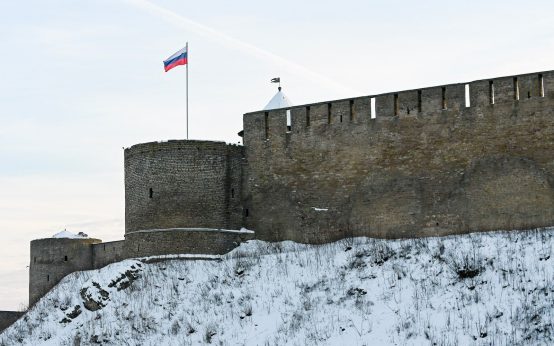 Russia’s Potential Incursion Into Estonia: NATO’s Resilience Under Scrutiny
  Senators Urge Action to Free Imprisoned Journalist in Iran
 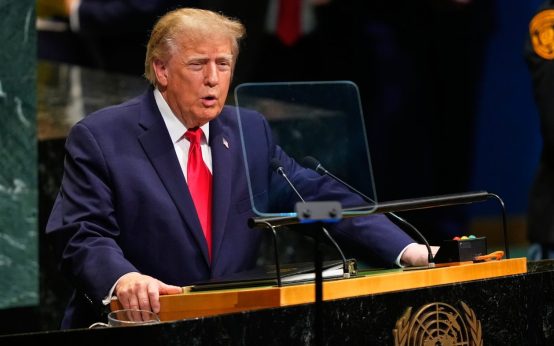 Trump’s Address at UNGA and Key Political Developments
  Irish Athletes Urge Boycott Against Israel
  U.S.-China Summit and the Taiwan Dilemma