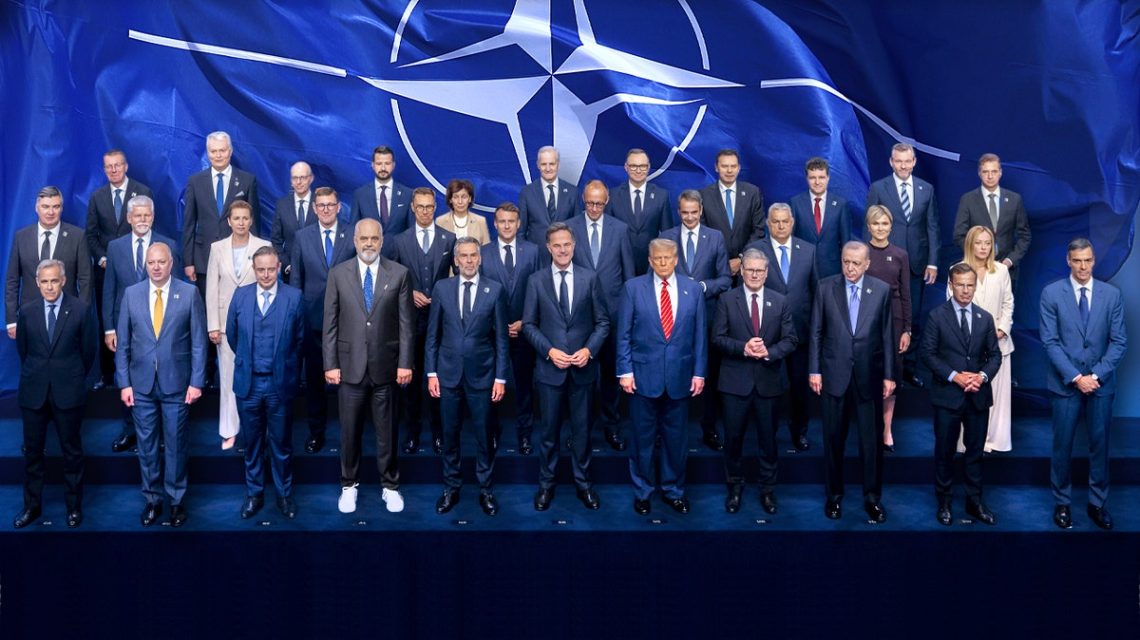
For over thirty years, the United States has carried the largest portion of NATO’s military responsibilities. During this time, many European countries spent significantly less on defense than the U.S. desired. This imbalance continued through the Cold War and multiple U.S. administrations, despite ongoing discussions about burden sharing. Recent years have seen a change, primarily influenced by Russia’s 2022 invasion of Ukraine and pressure from former President Donald Trump, prompting NATO members to increase their defense spending.
Historical Imbalance in Defense Spending
The persistence of this defense spending gap can be attributed to several factors. Leaders and analysts point to a blend of post-Cold War optimism, domestic political preferences, and a reliance on the American defense guarantee. Many European nations believed they could minimize defense spending without jeopardizing their security, relying on the U.S. military presence and protection.
“For much of the post–Cold War period, Europeans underinvested in defense due to low threats and a belief in continued U.S. support,” said Barry Posen, a political science professor at MIT.
Following the Soviet Union’s collapse, European governments redirected their resources from military to domestic initiatives, benefiting from a “peace dividend.” As a result, between 1992 and 1999, NATO’s European members reduced defense spending by 22%. This set a long-lasting trend of military underinvestment, even as the U.S. maintained significant military forces in Europe.
Dependency and Strategic Implications
Reduced European defense budgets enabled governments to expand social programs such as healthcare and education. Meanwhile, the U.S provided the majority of NATO’s military strength. This led to what some analysts term a “moral hazard”—a perception that allies could spend less on defense without facing risks, given the U.S. commitment to NATO.
European militaries shrank over time, increasing their dependency on American capabilities like logistics and intelligence. Despite ongoing frustrations about this imbalance from the U.S., incentives for Europe to boost defense spending remained unchanged due to consistent U.S. reassurance of its NATO commitment.
Consequences and Recent Changes
The need for increased European defense spending gained urgency following Russia’s 2014 annexation of Crimea. NATO members then agreed to aim for a defense spending target of at least 2% of GDP. However, progress was slow and uneven across the alliance.
The turning point occurred due to two major events: Russia’s 2022 invasion of Ukraine and Trump’s direct criticism of NATO members’ defense spending. Trump’s questioning of the U.S. role in defending noncompliant allies further propelled change in NATO’s approach.
Looking Forward: The Hague Summit and Beyond
These developments culminated in NATO’s summit in The Hague. Allies agreed on a new goal: dedicating 5% of GDP to defense by 2035. This marked a significant increase from the previous 2% benchmark, acknowledging a more precarious global security environment post-Soviet Union.
While many European countries have started to adopt U.S. perspectives on defense spending, analysts emphasize that rebuilding military capabilities involves challenges beyond budget increases. Europe continues to depend heavily on the U.S. for diverse military capabilities, suggesting that transforming financial investments into practical military readiness will take years.
“Equipment can be purchased, but command experience and institutional leadership take years to develop,” said John Byrne of Concerned Veterans for America.
The ongoing effort to enhance Europe’s military self-reliance continues, as NATO adapts to current and future challenges in the global security landscape.
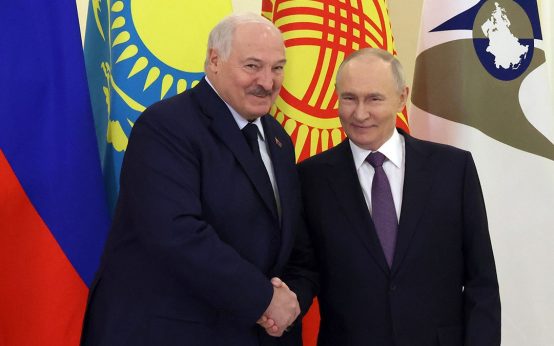 Lukashenko and Putin’s Unique Relationship and Belarus’ Strategic Role
 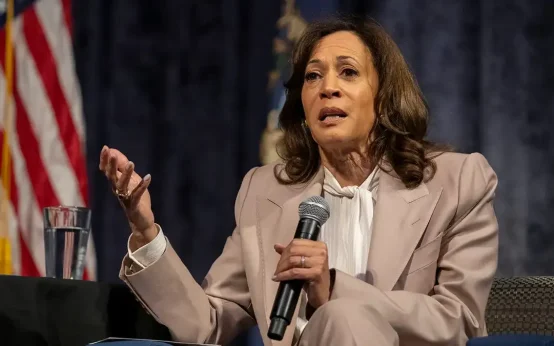 Harris Discusses Potential 2028 Presidential Run
  Far-Left Groups Allegedly Organize Protests in Austin
 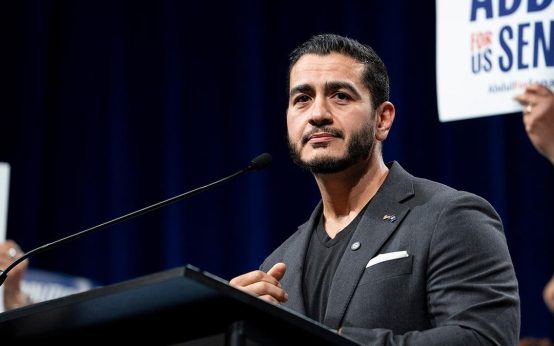 Michigan Senate Nominee Abdul El-Sayed Criticized for Remarks on Reproductive Rights
  Poll Reveals Voter Preferences Between Socialist Democrats and MAGA Republicans
  Challenges of Electing a Female President: Insights from ‘The View’