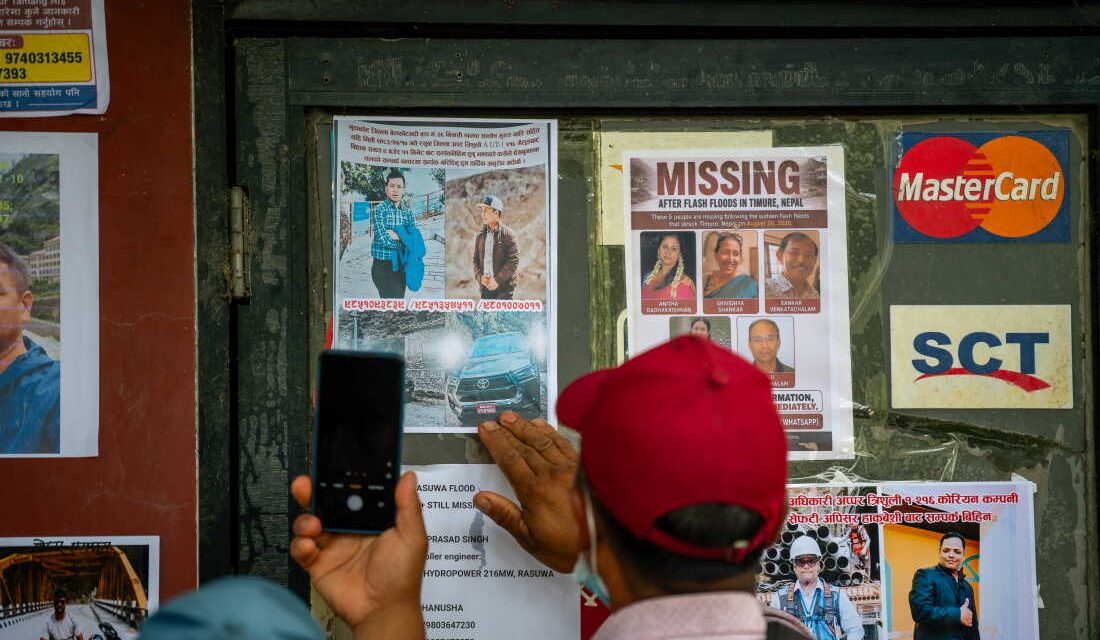
The catastrophic flash floods in Nepal have left more than 5,600 people missing. In Devighat, a board displayed with pictures of some of the missing highlights the scale of the disaster. According to Shushma Bhusal from the International Federation of Red Cross and Red Crescent Societies, the flood has left parts of Bidur municipality in ruins. Once a vibrant area with about 60,000 residents, Bidur is now characterized by devastation, with many homes washed away.
Severe Impact on Infrastructure and Health Services
The floods have also wrought havoc on essential infrastructure. Across the river from the affected area, the Trishuli hospital can no longer be accessed easily due to the destruction of a crucial bridge. What used to be a 10-minute journey now takes roughly 10 hours, leaving the people of Bidur without basic health services.
The severe flood has claimed at least 1,200 lives in Nepal and neighboring Tibet. All seven hospitals and health centers in the affected areas have been either completely destroyed or significantly damaged, according to Allison Gocotano, WHO’s representative in Nepal. While some healthcare facilities are operational, road blockages and inconsistent electricity continue to hamper efforts.
Routine medical care has been severely disrupted. Pregnant women, people with chronic conditions like diabetes or cancer face dire challenges in obtaining necessary medications and care. UNICEF is setting up medical tents and has provided hygiene kits and bed nets to nearly 19,000 people to address these needs.
New Threats and Relocation Concerns
Contaminated water systems and infrastructure damage have increased the risk of waterborne diseases. Thousands are living in temporary shelters, where airborne diseases such as tuberculosis could spread easily. The Ministry of Health has deployed technical teams to these centers to monitor health conditions closely.
Mental Health Challenges Amidst the Devastation
The floods have sparked a mental health crisis. About 2,500 to 3,000 people are currently in temporary centers. Survivors deal with immense loss. Ayush Joshi from the non-profit Save the Children describes scenes of children looking up at helicopters passing by, hoping they might bring news of their family members.
Many survivors cling to hope for missing loved ones while processing their profound losses. Joshi recounts a child unable to sleep after witnessing friends washed away, and another separated from her parents. An account shared by UNICEF’s Gurung describes a woman rescued by helicopter, in distress after losing her children to the flood.
Organizations like Save the Children are addressing the immediate psychological distress by sending counselors to provide mental health support. However, Joshi emphasizes that mental health care is often sidelined in disaster relief, yet its long-term effects demand continued attention.
 Beachgoers to Benefit from Malibu Land Donation in Coastal Commission Dispute
  Public Concerns on Climate Change, Energy, and Animal Welfare
  California’s EV Transition Amid Federal Challenges
  A Bipartisan Effort to Modernize U.S. Recycling
  EPA Proposal Could Limit Public Input on Data Center Approvals
  Battle Over Beach Access in Santa Rosa Beach, Florida