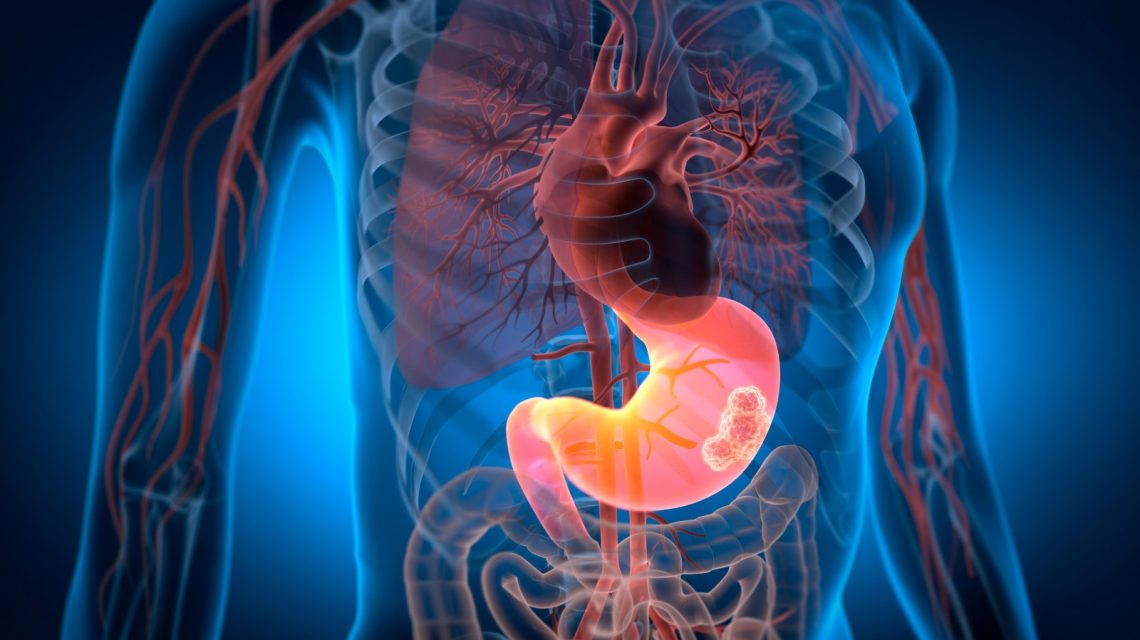
Researchers are developing a technique that might transform the treatment of solid tumors. CAR-T cell therapy has been effective in treating blood cancers for over a decade. It adds a gene to a patient’s T cells to help them find and destroy cancer cells.
While effective for blood cancers, CAR-T therapy has struggled with solid tumors, which don’t present a clear target. However, researchers at the USC Viterbi School of Engineering have found a potential solution using focused ultrasound. This new method might provide a specific target for CAR-T cells.
Tianze Guo, a researcher and doctoral student, explained that they created a method to make hard-to-target tumors present a temporary marker. This system uses a tumor signal, like low oxygen, and combines it with focused ultrasound directed at the tumor.
The new approach, termed SHIFTERS, briefly makes tumor cells display CD19, a marker recognized by CAR-T cells as a target. Peter Yingxiao Wang from USC described the method as promising but noted it would need further development and funding before clinical use.
Solid tumors often suffer from low oxygen levels as they grow larger. The SHIFTERS strategy recognizes this low oxygen condition alongside a focused ultrasound that targets tissues internally.
Guo remarked that the combination of signals makes tumor cells produce a marker, guiding CAR-T cells to the right target. This method eases the recognition of solid tumors and allows doctors to manage the timing and location of treatment.
Past research aimed to find a body-exclusive marker for tumors, but this new method prompts tumors to create a unique marker. Initial tests involved lab-grown cancer cells, followed by tumor models and animal trials. Results showed a more intense CAR-T cell attack on solid tumors with the ultrasound method, leading to significant tumor shrinkage.
The temporary marker lasts about a week, and only 10 to 25 percent of tumor cells need to display it to trigger an immune response, affecting nearby cancer cells.
The research holds promise but is still experimental. Human testing has not yet occurred. Guo indicated the challenge is delivering the SHIFTERS genetic program directly to tumors. The team is evaluating lipid nanoparticles and modified viruses for delivery before advancing to larger animal studies and eventual human trials.
Source: Tianze Guo et al., Ultrasound priming gated by solid tumor hallmarks to guide CAR-T therapy. Sci. Adv. 12, eaed0666 (2026). DOI:10.1126/sciadv.aed0666
For more information, contact Newsweek editors Sirena Bergman and Emma Lee-Sang.
 U.S. Faces Rising Measles Cases Amid Vaccine Doubts
  Senate Proposal Seeks Extended Nutritional Support for Postpartum Mothers
  Increasing Wait Times for Cancer Treatment
  U.S. Kindergarten Vaccination Rates Decline as Exemptions Reach New Highs
  Health Implications of Alcohol Use After Prolonged Sobriety
  Increase in Kindergarten Vaccine Exemptions