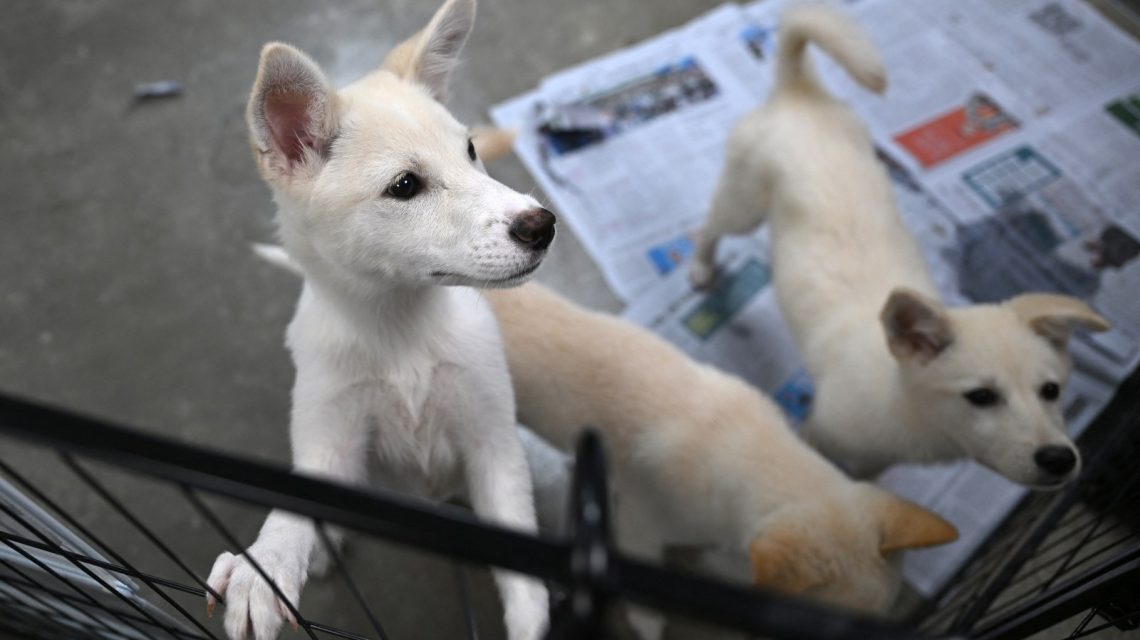
North Korea is advocating for the consumption of dog meat soup to help citizens maintain their health during a severe heat wave affecting Northeast Asia. As temperatures rise, authorities in the region have issued warnings and urged people to limit outdoor activities to avoid overwhelming healthcare systems and power grids, as well as affecting local agriculture.
Protein Prescription for Hot Weather
The Rodong Sinmun, the official newspaper of North Korea’s ruling Workers’ Party, featured a Korean-language interview with a senior doctor from Pyongyang General Hospital. The doctor emphasized the importance of lowering body heat and recommended certain foods like watermelon, grapes, cucumbers, and oriental melons for this purpose.
For protein intake, the doctor suggested options like fish and red-bean porridge, along with a traditional dish known as dongogi or dog meat soup. “If the body lacks protein, immunity weakens and appetite declines,” the doctor explained.
Dog Meat Soup Tradition
Dog meat soup has a long history on the Korean Peninsula but has seen differing attitudes between North and South Korea. In South Korea, the dish is called bosintang and is traditionally linked with the hottest days of the year, believed to restore vitality during the summer. However, consumption has sharply declined due to rising animal welfare concerns. In 2024, South Korea enacted a law banning the breeding, slaughter, and sale of dogs for food, taking full effect by February 2027.
Heat Waves Across Northeast Asia
The recommendation to consume dog meat comes as record temperatures affect North Korea, South Korea, Japan, and parts of China. On August 2, South Korea experienced its highest temperature since modern records began, reaching 108.5 degrees Fahrenheit. President Lee Jae Myung addressed the heat wave as a “national disaster.”
In Japan, more than 18,000 individuals were hospitalized due to heatstroke symptoms from July 20-26, with 45 fatalities reported according to the Fire and Disaster Management Agency.
For further information, contact Newsweek editors John Feng and Dave Siminoff on this story.
 Venezuelan Leadership at the United Nations
  Ontario Synagogue Shooting During Yom Kippur Leaves One Officer and Shooter Injured
 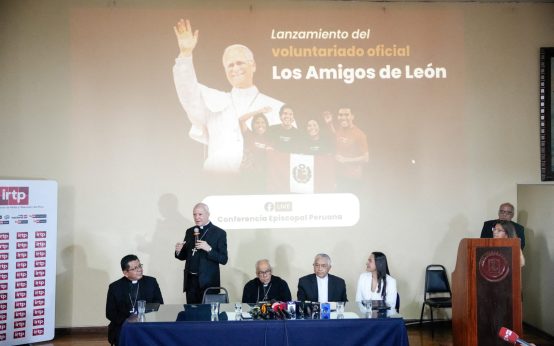 Pope Leo XIV’s Upcoming Visit to Latin America: An Overview
 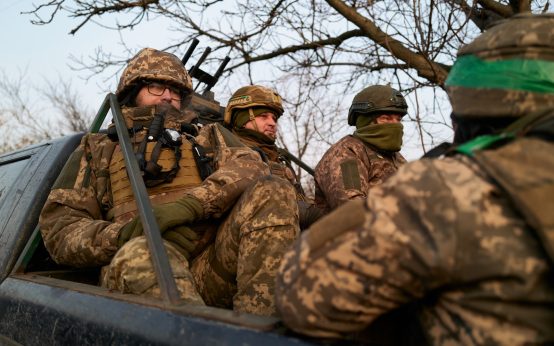 Ukraine Deploys Ground Robots in ‘Operation Vivaldi’
  Understanding AI’s Impact Compared to Historical Threats
  State Department Alerts on Middle East Travel Amid Rising Tensions