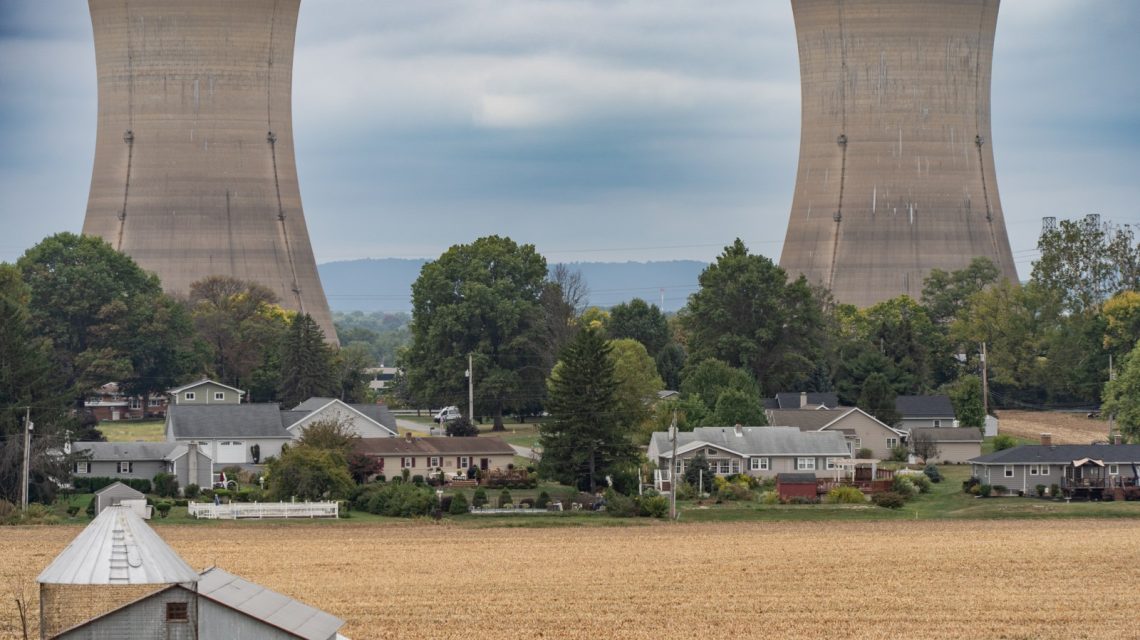
A new nuclear microreactor project in Indiana represents a significant push towards revitalizing nuclear energy in the United States. On Wednesday, the Department of War revealed plans for deploying the Navy’s first advanced nuclear microreactor. This compact system will provide reliable electricity for military purposes at Naval Weapons Station Crane by September 2028. Designed to enhance energy resilience and national security, the reactor aims to supply steady power to a key military research and weapons site.
Under Secretary Emil Michael declared, “We are harnessing the American nuclear industrial base to ensure military installations possess the infrastructure needed for uninterrupted operations.”
This Indiana initiative is part of a broader array of nuclear reactor projects nationwide, encompassing the TerraPower Natrium in Wyoming, Kairos Hermes in Tennessee, X-energy’s Xe-100 in Washington state and Texas, the Palisades SMR in Michigan, and the KRONOS Micro Modular Reactor in Illinois. Additionally, Oklo Aurora and Project Pele are underway at Idaho National Laboratory. Furthermore, the Army is planning several microreactor deployments under the Janus program at various bases, including Fort Hood and Fort Bragg.
Map data, reflecting publicly announced reactor developments, accounts for projects across phases such as development, licensing, and construction. While the Indiana project hasn’t yet appeared on the CSIS Advanced Nuclear Deployment Dashboard, updates are forthcoming according to a spokesperson.
Why Nuclear Energy Is Gaining Momentum
The renewed interest in nuclear energy comes after decades of stagnation due to public concerns following incidents like Three Mile Island and Chernobyl. However, growing worries over climate change, energy security, and electricity demands have shifted perspectives. Policymakers and tech companies are increasingly seeking continuous carbon-free power sources. Unlike solar and wind, nuclear reactors operate independent of weather conditions, offering a steady supply of electricity.
President Trump’s administration prioritized nuclear energy expansion, signing executive orders in May 2025. These orders focused on expediting reactor construction and licensing, enhancing domestic nuclear fuel production, and boosting generating capacity. The military uses nuclear power as a tool for resilience; the Department of War aims for the reactor at Naval Weapons Station Crane to operate independently from the commercial grid, safeguarding defense operations.
Challenges Persist
Despite the enthusiasm for nuclear energy revival, controversies linger. Critics highlight issues such as radioactive waste, potential accidents, security threats, and construction costs. Delays and overruns have plagued past projects. Supporters argue that advanced reactors and small modular reactors offer new safety features, possibly presenting safer and more flexible alternatives to traditional nuclear plants.
Public sentiment appears to be evolving. A June 2026 Echelon Insights survey showed a preference for nuclear plants over AI data centers, with 34 percent favoring nuclear energy infrastructure over data centers at 27 percent. The data suggests Americans might view nuclear energy more favorably in comparison to infrastructure supporting the AI industry.
The Future of Nuclear Projects
The future of these projects remains uncertain as development progresses. Nonetheless, the active planning, licensing, and construction of reactors mark a significant reversal from the previous slowdown in nuclear energy. Indiana’s announcement underscores nuclear energy’s re-emergence as central to power generation, industrial growth, and national security strategies.
 Unprecedented Humidity and Climate Challenges in Southern California
  Reviving Lahaina: Hawaii’s Housing Struggle Post-Fire
  Concerns Over Potential Privatization of Yosemite National Park
  The Impact of El Niño on U.S. White Christmas Odds
  Smokey Bear’s Misunderstood Message: A Critique of Trump’s Environmental Policies
  Data Centers Spur Economic Opportunity Amid Local Concerns