
Many Asian American and Pacific Islander (AAPI) adults have felt the effects of intensified U.S. immigration policies under the Trump administration. A recent AP-NORC/AAPI Data poll highlights these experiences.
Impact of Immigration Policies
The poll, conducted by AAPI Data and The Associated Press-NORC Center for Public Affairs Research, reveals that about half of AAPI adults report personal or indirect experiences with detention or deportation in the past year. These experiences include carrying proof of immigration status or adjusting travel and living routines due to immigration status concerns.
This data comes in the wake of increased immigration crackdowns. The Trump administration’s aggressive stance has led to tensions, including clashes between protesters and enforcement officers in immigrant-heavy communities. Tragic events, such as the deaths of two U.S. citizens in Minneapolis, underscore the community’s changing perception of the United States.
A significant result of the survey shows that about 60% of AAPI adults believe the U.S. once stood as a welcoming country for immigrants but no longer holds that promise. In contrast, around 30% still see America as a great place for immigrants, with a small percentage expressing it never was.
Legal Immigrants and “Better Safe Than Sorry” Approach
The Trump administration’s policies have affected even legal immigrants. Policies such as increased visa fees and categorical bans on immigrants from certain regions faced legal challenges and public criticism.
The survey brings attention to individuals like Khoa Tran from San Antonio, Texas. Tran, a naturalized citizen, highlights the necessity for immigrants, even legal ones, to always carry documentation. This need extends to international students who forgo family visits due to concerns over visa issues.
A significant finding is that about 50% of South Asian adults, compared to 40% of AAPI adults overall, reported an adopted practice of carrying legal status documentation. This reflects a sense of insecurity about their status.
Cultural Identity Versus American Identity
The poll underscores that AAPI adults value their family’s ancestry or country of origin highly. Just over half deem this heritage as crucial to their personal identity. Comparatively, fewer (44%) consider being an American as significantly important to their identity.
The sentiment varies slightly among U.S.-born AAPI adults, where 59% value their heritage greatly, compared to 47% who emphasize their American identity.
For instance, Abigail Jeyaraj of South Hadley, Massachusetts, cherishes her South Asian heritage, acknowledging the opportunities she has that her ancestors did not. Meanwhile, Soonho Kwon, born in Korea, feels a stronger connection to his Korean roots despite his naturalized U.S. citizenship.
Ambivalence Around America’s 250th Anniversary
The poll highlights that 73% of AAPI adults feel the cultural diversity in the U.S. is vital to its identity. This perspective stands in contrast to the 55% of U.S. adults who share that sentiment, according to the April AP-NORC poll.
Jeyaraj’s experiences with diverse cultures in cities like Dallas and Houston developed her empathy. However, she and others feel mixed emotions about celebrating the U.S.’s 250th anniversary amidst current diversity and inclusion challenges.
Tran, a math teacher, expresses skepticism about the significance of the anniversary, reflecting on the evolving nature of the U.S. beyond its 250-year history.
The survey was conducted with 1,075 AAPI adults from April 20-28. It aimed to capture the diverse views of Asian Americans, Native Hawaiians, and Pacific Islanders, addressing challenges often overlooked due to sampling limitations in other surveys.
 House Republicans Release Transcripts in Jack Smith Investigation
 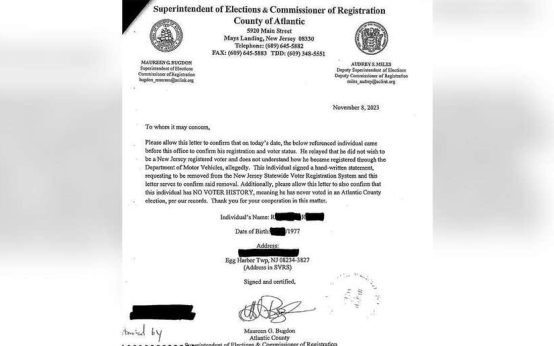 RNC Files Lawsuit for Transparency in New Jersey’s Voter Roll Maintenance
  Italian PM Giorgia Meloni Skips UN General Assembly Amid Growing Tensions
  Calls Grow for Ireland’s Soccer Team to Boycott Matches Against Israel
  Congressman Randy Fine’s Bold Political Stance and Views on AI Regulation
  Political Messaging and Strategy Leading Up to Midterms