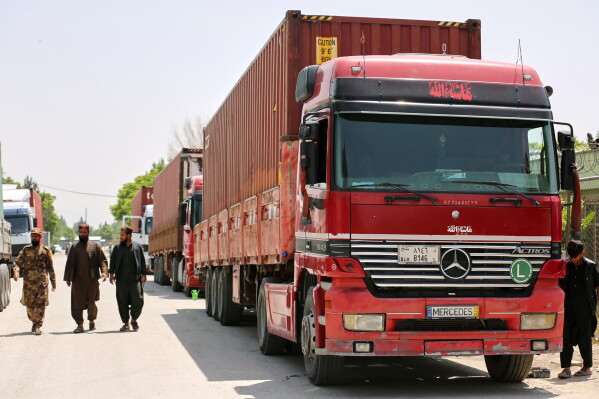
A possible agreement between the United States and Iran is taking shape, aiming to conclude the conflict and reopen the Strait of Hormuz. President Trump asserted over the weekend that the deal has been ‘largely negotiated.’ However, specifics on when and how it might be finalized remain unclear.
Trump’s comments followed discussions with Middle Eastern allies, including Israel. Information about the negotiations comes from regional officials and a U.S. official, all speaking under anonymity due to the delicate nature of the talks.
The War’s Conclusion and Its Impact
In the 12 weeks since the U.S. and Israel initiated the war with attacks on Iran that resulted in the death of Supreme Leader Ayatollah Ali Khamenei, Iran has been firm on demanding a deal that terminates hostilities on all fronts. This includes Lebanon, where Hezbollah, supported by Iran, has been battling Israel since the war’s second day.
Since April 7, a fragile ceasefire has held. Ending the war would relieve regional tensions, especially as Gulf regions like the UAE have been hit by Iranian missiles and drones. Globally, it would allow for the resumption of shipping, including about 20% of the world’s oil and natural gas, through the Strait of Hormuz. Moreover, it would pave the way for rebuilding energy and other infrastructure in the area.
Regional officials mentioned that the draft agreement encompasses ending the Israeli-Hezbollah conflict and a pledge to abstain from meddling in regional countries’ domestic affairs, including Iran. This refers to Iran’s backing of proxies, such as Houthi rebels in Yemen and Shiite armed groups in Iraq.
The U.S. desires Israel to counter perceived threats in Lebanon without interference. However, Iran opposes this stance. A U.S. official noted the deal would ensure Israel’s right to act in self-defense against imminent threats.
Gradual Reopening of the Strait of Hormuz
The U.S. and Israel’s attacks on Iran were justified by Iran’s nuclear program, missile development, and proxy support. However, Iran’s retaliatory influence over the Strait of Hormuz quickly became a global concern, with numerous ships carrying vital supplies being stranded.
Under the impending deal, the strait would reopen gradually. Concurrently, the U.S. would lift the blockade on Iran’s ports imposed on April 17. This blockade has restricted Iran’s oil shipment ability and cash inflow for its economy.
As part of the agreement, Iran could sell its oil under sanctions waivers, according to an official briefed on the negotiations. Sanctions relief and the release of Iran’s frozen funds would occur over a 60-day period.
Iran’s Stockpile of Highly Enriched Uranium
Iran’s nuclear program and the potential threat of nuclear weapons have fueled tensions, leading the U.S. and Israel to contemplate complex military strategies to eliminate Iran’s highly enriched uranium.
According to officials, the potential agreement entails Iran relinquishing its stockpile of highly enriched uranium. The method of disposal would require further negotiations over a 60-day timeframe. Some uranium would likely be diluted, and the remainder transferred elsewhere, possibly to Russia, which has extended an offer to take it.
A U.S. official reiterated the 60-day condition, indicating that failure by Iran to relinquish the stockpile would halt sanctions relief.
Iran possesses 440.9 kilograms of uranium enriched to 60% purity, nearing weapons-grade levels of 90%, as reported by the International Atomic Energy Agency.
While Iran insists on its right to nuclear technology, it maintains that its nuclear ambitions are peaceful. President Masoud Pezeshkian stated on Sunday that Iran is ready to ‘assure the world’ they do not pursue nuclear weapons.
Trump’s social media post on Sunday highlighted the evolving, productive U.S.-Iran relationship, emphasizing that Iran must not develop or acquire nuclear weapons.
Missing Elements in Negotiations
Certain aspects seem absent from emerging agreement details, such as Iran’s uranium enrichment status and its missile program, which Israel seeks to dismantle.
While the U.S. and Israel initiated the conflict aspiring for Iranian regime change following early-year protests, discussions about Tehran’s leadership alteration seem excluded.
Iran’s past negotiation goals appear unaddressed, including U.S. troop withdrawal from the region and reparations for war-induced damage.
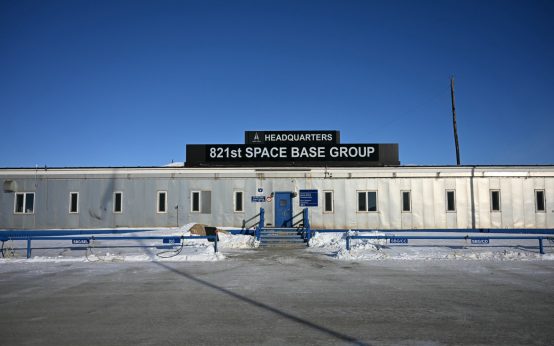 New U.S. Military Bases Planned in Greenland Amid Strategic Security Deal
 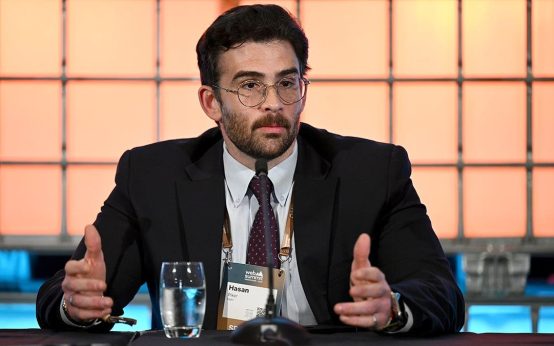 Twitch Streamer Hasan Piker Discusses Controversial Commentary
  A Shifting Political Landscape: The Decline of Autocratic Power
  Trump Delivers Warning to Iran, Cuba at UN General Assembly
 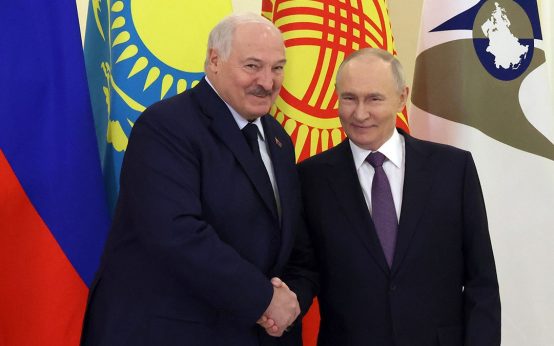 Lukashenko and Putin’s Unique Relationship and Belarus’ Strategic Role
  Alan Ritchson Faces Backlash Over Political Remarks