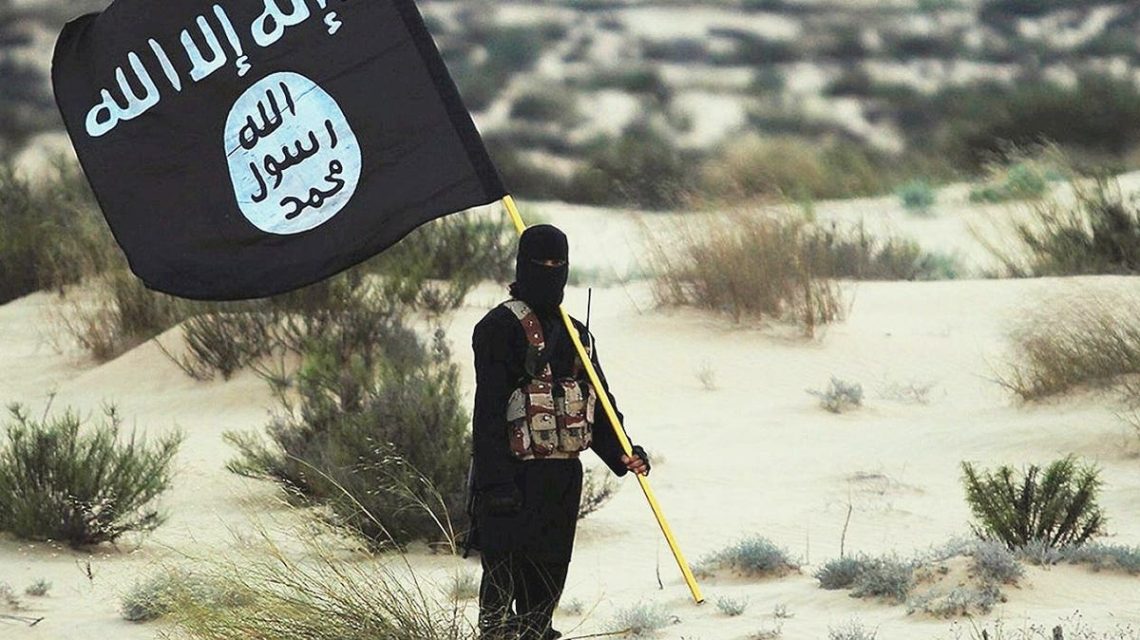
The Islamic State is quietly rebuilding in Iraq as the United States prepares to complete its withdrawal, warning of a security vacuum exploitation, according to regional security expert Dr. Omar Mohammed. With U.S. forces set to leave by September 30, alongside Baghdad’s attempts to control Iran-backed militias, Iraq faces its most perilous period since ISIS seized Mosul in 2014.
Dr. Mohammed, affiliated with the George Washington University Program on Extremism, told Fox News Digital that ISIS effectively waits for security gaps. He noted that the situation mirrors Mosul’s vulnerable historic period where a sectarian security apparatus enabled insurgency.
ISIS initially seized Mosul through underground networks involving assassinations, extortion, and infiltration. They captured U.S.-made weapons, amassed funds, and declared a caliphate under Abu Bakr al-Baghdadi’s leadership. ‘Mosul Eye,’ a blog secretly documenting ISIS operations, was launched by Mohammed, offering intelligence to U.S. forces.
U.S. Central Command (CENTCOM) asserts its commitment to dismantling ISIS networks. However, Iraqi intelligence estimates show ISIS fighters in Syria have surged from 2,000 to 10,000 following Syria’s collapse in 2024.
The Popular Mobilization Forces (PMF), although integrated into Iraq’s forces, weren’t disbanded post-ISIS defeat. Mohammed estimates PMF’s 238,000 members receive government funds yet include factions closely tied to Iran, operating beyond Iraqi government’s direct oversight.
Strategies to place armed factions under state control coincide with America’s troop withdrawal deadline of September 30. Mohammed remarked the departure marks two significant deadlines: U.S. troop withdrawal and militia disarmament efforts.
U.S. withdrawal, following a 2024 U.S.-Iraq agreement, aims to end the mission by 2025 while supporting anti-ISIS operations in Syria until September 2026. Mohammed cautions against repeating past complacency, reminding of Mosul’s fall due to prior operational withdraws.
Recent White House discussions with Iraqi Prime Minister Ali al-Zaidi triggered Tehran’s condemnation. Iran’s strategic interests, needing a stable Iraq, remain significant after proxy network disruptions from U.S. strikes.
Dr. Mohammed emphasizes deeper implications for Iraq’s future, beyond diplomatic intentions. The challenges against ISIS resurgence versus their utility to regional actors define upcoming security dynamics.
 Trump Delivers Warning to Iran, Cuba at UN General Assembly
 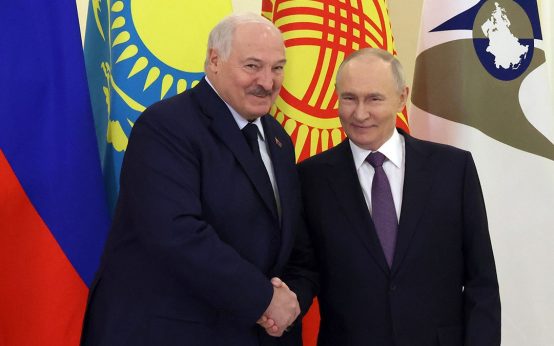 Lukashenko and Putin’s Unique Relationship and Belarus’ Strategic Role
  Alan Ritchson Faces Backlash Over Political Remarks
 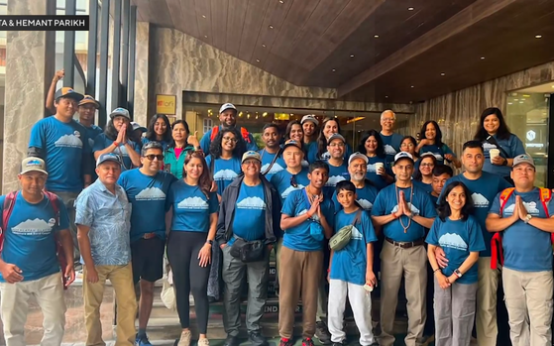 Himalayan Pilgrimage: A Couple’s Narrow Escape and Lingering Questions
  Former CEO Sentenced for Bank Fraud and Sanctions Evasion
  Russia’s Potential Incursion Into Estonia: NATO’s Resilience Under Scrutiny