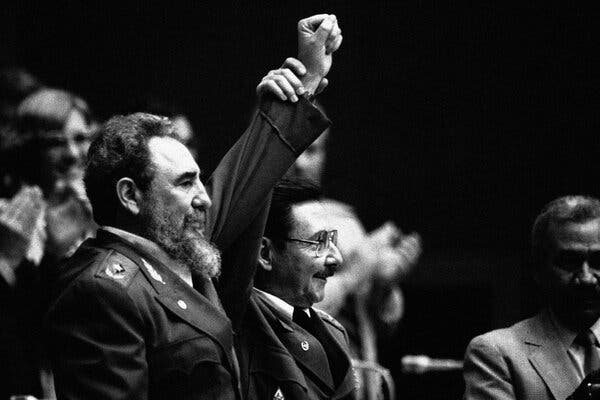
Raúl Castro is 94 years old and no longer holds any official title. Yet, he continues to exert significant influence, particularly within Cuba’s military, according to experts. His role in secret negotiations with the Trump administration over the ongoing tension between Havana and Washington remains noteworthy.
The Cuban state media still venerates Raúl Castro as ‘the leader of the Cuban Revolution.’ Alongside his brother Fidel, he played a pivotal role in the 1959 uprising that overthrew a U.S.-backed dictator. Despite being frail, with hearing difficulties and challenges speaking, Raúl Castro attends essential events. He was recently spotted at the International Workers’ Day parade on May 1, dressed in his military uniform.
Raúl Castro’s former chief of staff, Alcibiades Hidalgo, mentioned to The New York Times that despite a past known for heavy drinking and favoring vodka shots, Raúl has aged remarkably. He studied in Moscow and admired the Soviet Union, which seemingly had little impact on his longevity.
The fact remains that as long as he is alive, he will continue to be a decisive factor in the country’s trajectory.
Alcibiades Hidalgo
Fidel Castro was the revolution’s charismatic leader, while Raúl preferred the background. Brian Latell, a former Cuba analyst for the C.I.A., highlighted their differences. ‘Raúl and Fidel were dramatically different,’ he said. ‘Fidel was the director, he was temperamental and creative. Raúl did all the backstage work.’
After the revolution, Raúl Castro was instrumental in developing the Revolutionary Armed Forces. These forces successfully repelled the Bay of Pigs invasion, which was organized by the C.I.A. When Fidel declared Cuba a Communist state in 1961, Raúl focused on structuring the Cuban Communist Party.
As defense minister, Raúl Castro oversaw the creation of GAESA, a vast military conglomerate encompassing hotels, stores, gas stations, and other businesses. GAESA is considered Cuba’s most powerful economic entity.
Raúl Castro was viewed as a potential reformer after relaxing some stringent communist economic policies. For instance, he permitted Cubans to buy and sell homes and vehicles. In 2015, diplomatic relations with the United States were restored, and in 2016, President Barack Obama visited Havana.
Despite these changes, Raúl maintained the Communist Party’s tight grip on political control within the island’s single-party system and continued the operation of the repressive state security apparatus.
 Venezuelan Leadership at the United Nations
 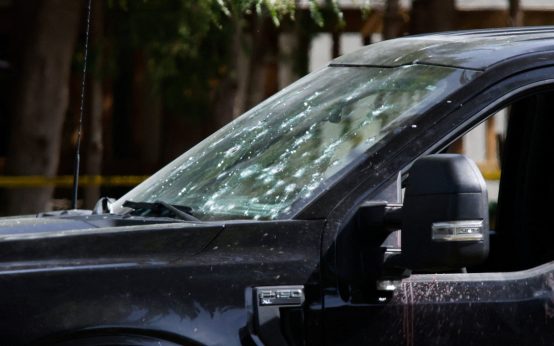 Ontario Synagogue Shooting During Yom Kippur Leaves One Officer and Shooter Injured
 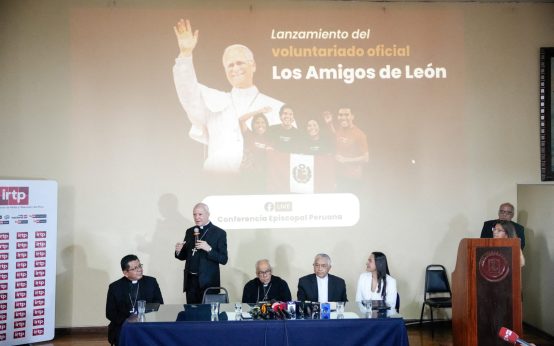 Pope Leo XIV’s Upcoming Visit to Latin America: An Overview
 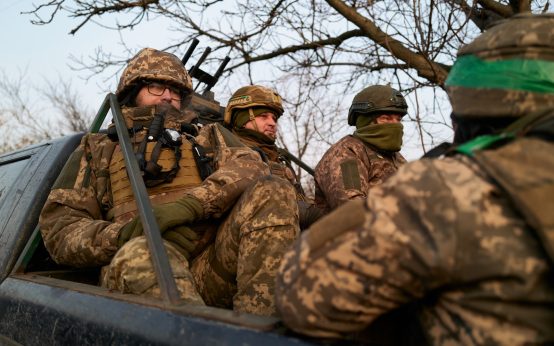 Ukraine Deploys Ground Robots in ‘Operation Vivaldi’
  Understanding AI’s Impact Compared to Historical Threats
  State Department Alerts on Middle East Travel Amid Rising Tensions