
Despite widespread perception, the decline of religion is not as pronounced as often suggested. Data and research continually uncover intricate details about religious practice and affiliation across various demographics and regions.
Recent studies suggest that while traditional forms of religious observance may be waning, new forms of spirituality and faith are emerging. Communities around the world are crafting unique ways of connecting and meeting spiritual needs, away from conventional religious frameworks.
Understanding the shifts in religious affiliation requires examining broader social trends. For instance, the rise of the ‘nones’, individuals who do not identify with any organized religion, doesn’t imply a lack of interest in spirituality. Many within this group seek meaning through alternative spiritual practices and philosophies.
Moreover, global trends show religious growth in several regions. In places like Africa and parts of Asia, religious adherence is increasing. These areas contribute significantly to maintaining a global religious vitality, counterbalancing declines in traditionally strong religious zones like Europe.
The adaptability of religious practices also plays a role in their persistence. As societies evolve, religious expressions adjust to cultural shifts, technological advances, and new social norms. This flexibility ensures that tradition and modernity can coexist within religious contexts.
Religion’s future may lie in its ability to evolve, addressing the spiritual and existential needs of people in ever-changing environments. The story of religion isn’t one of simple decline, but of transformation and adaptation amid intricate global changes.
 Impeachment and Limiting Executive Power: A Democratic Imperative
  We’ve Seen This Supposed AI Steamroller Before
  Lane Kiffin Criticized After Ole Miss Loss While Florida Football Faces Social Media Fiasco
  Criticism of Kaepernick’s NFL Draft Comparison
  Handling Rumors About Neighbors When Selling a Property
 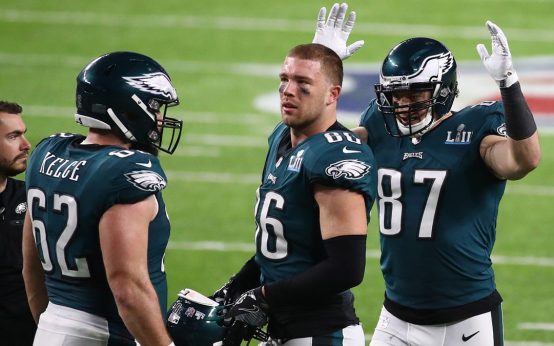 Lane Kiffin Faces Criticism After Ole Miss Loss; Zach Ertz Returns to Eagles