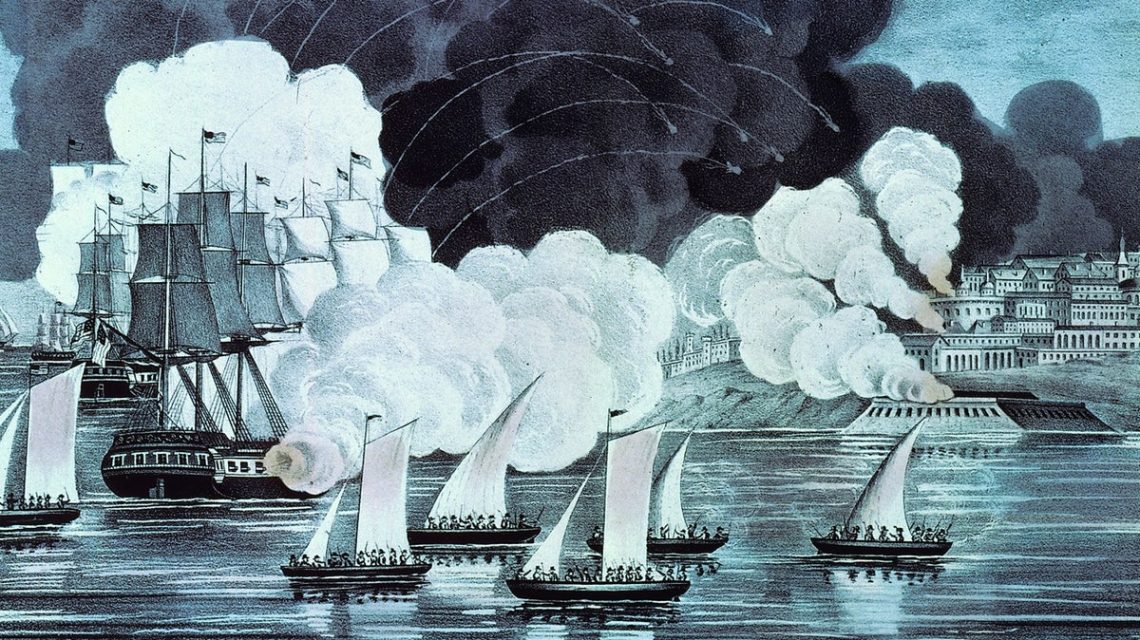
After the American War of Independence, George Washington expressed frustration over payments made to North African Barbary pirates. These pirates targeted American ships, holding crews hostage and straining the young nation’s economy. At that time, the United States lacked the naval power to defend its trade routes, leading to debates on how to handle the threat.
John Adams advocated for paying tribute to avoid conflict, while Thomas Jefferson favored using military force. The question of whether to defend American freedom of navigation or succumb to payments remains relevant today.
Modern Parallels: The Strait of Hormuz
The Strait of Hormuz is crucial for global trade, as the Islamic Republic of Iran poses a contemporary threat similar to the Barbary pirates. In 1786, a Tripolitan ambassador told Jefferson and Adams that Barbary’s sovereignty over the Mediterranean required nations to pay tolls. Adams believed long-lasting conflict should be avoided, suggesting tribute as the lesser cost compared to war.
Jefferson’s Stance and the Need for Navy
Jefferson opposed giving in to extortion, believing only military force would ensure peace. Recognizing the weakness of the new nation, he advocated for building a credible navy. The debate contributed to the push for a unified federal government and the creation of a naval force to combat piracy.
The Outcome of the Barbary Wars
The federal government built frigates for combating Barbary pirates, leading to America’s first foreign war, which lasted until 1815. The victory boosted national pride, with monuments and city names commemorating it. The Marine Corps hymn still celebrates the victory at Tripoli.
Lessons for Present Challenges
The Founders’ decision to pursue military action instead of bribery is a lesson in dealing with threats. Today’s leaders face similar decisions. The Trump administration’s approach to Iran mixes military action with financial incentives.
Whether Iran will adhere to any agreements, unlike the Barbary states, remains uncertain. Learning from past conflicts might guide current strategies for maintaining peace and securing international waterways.
Michael Oren, Israel’s former ambassador and author, emphasizes understanding the history of American maritime challenges for contemporary diplomacy.
 Federal Appeals Court Decision Against Trump’s ‘Third-Country’ Deportation Policy
  Ed Sheeran’s Philadelphia Concert Amid Controversy
 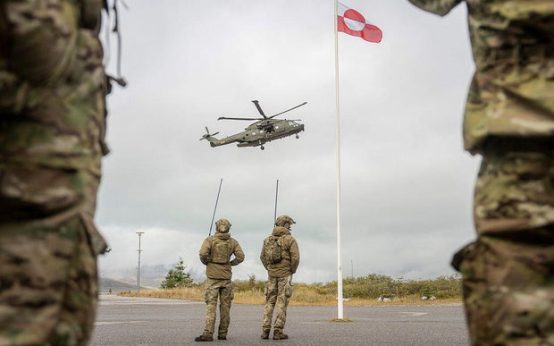 U.S. Secures Strategic Control Over Greenland
  U.S. Security Agreement in Greenland Sparks Optimism and Concerns
  Impact of Gender-Based Violence in South Africa
 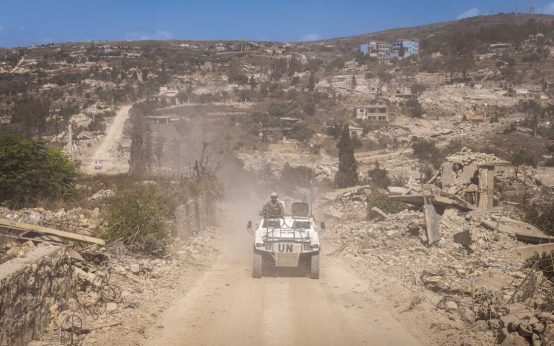 UNIFIL Operations in Southern Lebanon Amidst Ceasefire Challenges