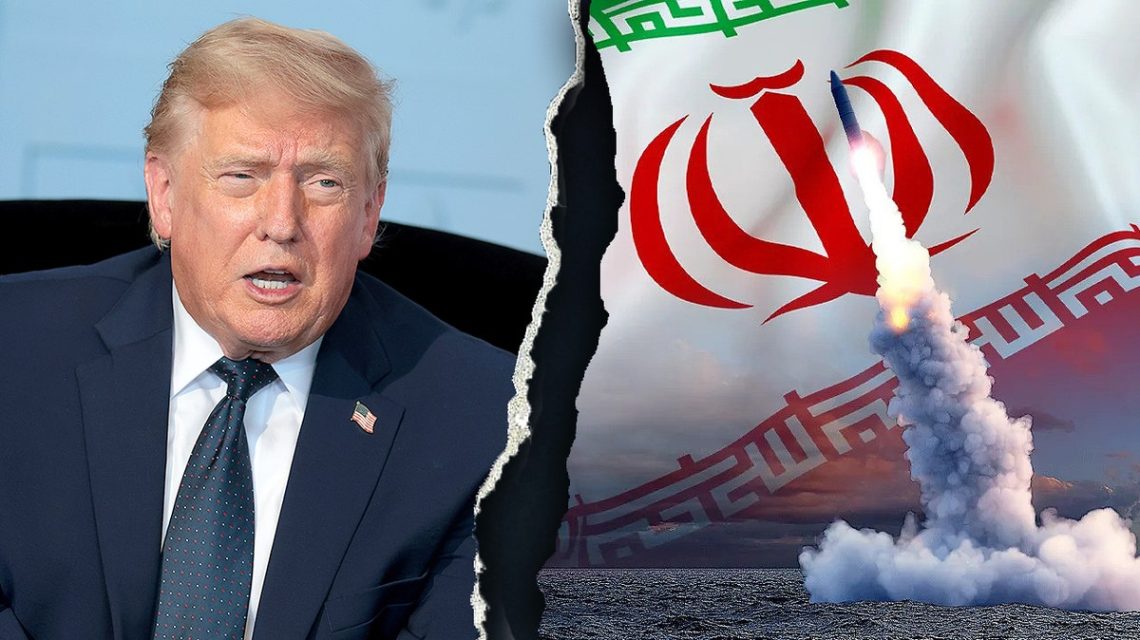
Rep. Rich McCormick, a Georgia Republican, voiced his concerns over the ongoing nuclear talks with Iran. He expressed strong distrust in the Iranian regime and echoed former President Trump’s stance, calling the deal an ‘unconditional surrender’. McCormick worries that billions of dollars in unfrozen assets could boost Iran’s military capabilities. He highlighted Iran’s history of hostility, calling for a regime change.
President Trump’s new Iran framework has drawn criticism from nuclear experts. They warn that it might allow Tehran too much control over its uranium stockpile unless inspectors locate, secure, and verify the material first. The U.S.-Iran memorandum of understanding (MOU) mentions ‘downblending’ under International Atomic Energy Agency (IAEA) supervision as the minimum method for handling the stockpile. This process involves diluting enriched uranium to make it less suitable for weapons.
Chuck DeVore, Chief National Initiatives Officer at the Texas Public Policy Foundation, emphasized the necessity of unfettered verification. He stated that inspections cannot be solely remote; in-person inspections are crucial.
Nuclear experts raised concerns after the signing of the MOU, as follow-up talks in Switzerland were postponed, delaying negotiations on critical nuclear details. IAEA inspectors need access to Iran’s stockpile to ensure Iran doesn’t maintain unchecked control. Recently, an IAEA report revealed limited visibility into Iran’s nuclear facilities after military strikes.
A senior U.S. official noted that Iran must reaffirm its commitment not to develop nuclear weapons as a critical step under its new Supreme Leader. The official claimed progress on uranium stockpiles, site dismantlement, an enrichment ban, and inspection access since the MOU’s implementation. Discussions on these matters are underway.
Vice President JD Vance stated the deal’s benefits hinge on Iran fulfilling promises. He noted Iran pledged to allow inspectors to destroy enriched stockpiles, making them unusable.
Andrea Stricker of the Foundation for Defense of Democracies warned that any agreement must strictly manage Iran’s uranium stockpile, ensuring Tehran doesn’t keep control. She stressed the importance of safeguarding nuclear materials and dismantling facilities to prevent further weaponization.
Chuck DeVore cautioned about estimating Iran’s weapons capacity due to varying weapon designs. He noted the same stockpile could produce different quantities of nuclear arms, depending on technique sophistication. He emphasized the need for verified downblending to stop further enrichment.
DeVore identified a potential issue with past deals, referencing his tenure during Cold War-era treaties. He warned against minimal verification standards becoming a baseline in negotiations, resulting in insufficient agreements. He advised that the U.S. avoid restrictions on inspectors in any new deal.
 Congressman Randy Fine’s Bold Political Stance and Views on AI Regulation
  Political Messaging and Strategy Leading Up to Midterms
  President Trump Proposes ‘Super Intelligence’ as New AI Term
  Trump Administration Considers Diesel Export Ban Amid Rising Prices
 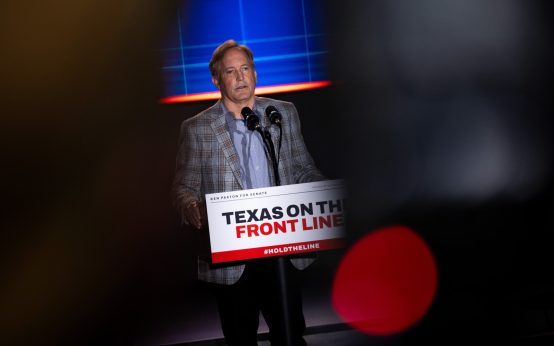 Texas Senate Race Tightens with Shifting Youth Support
 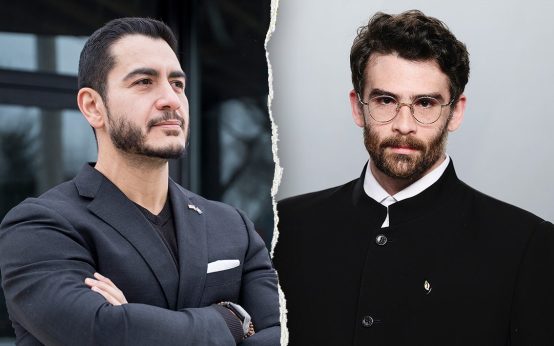 Flight 93 Hero’s Father Criticizes Ties Between Hasan Piker and Abdul El-Sayed