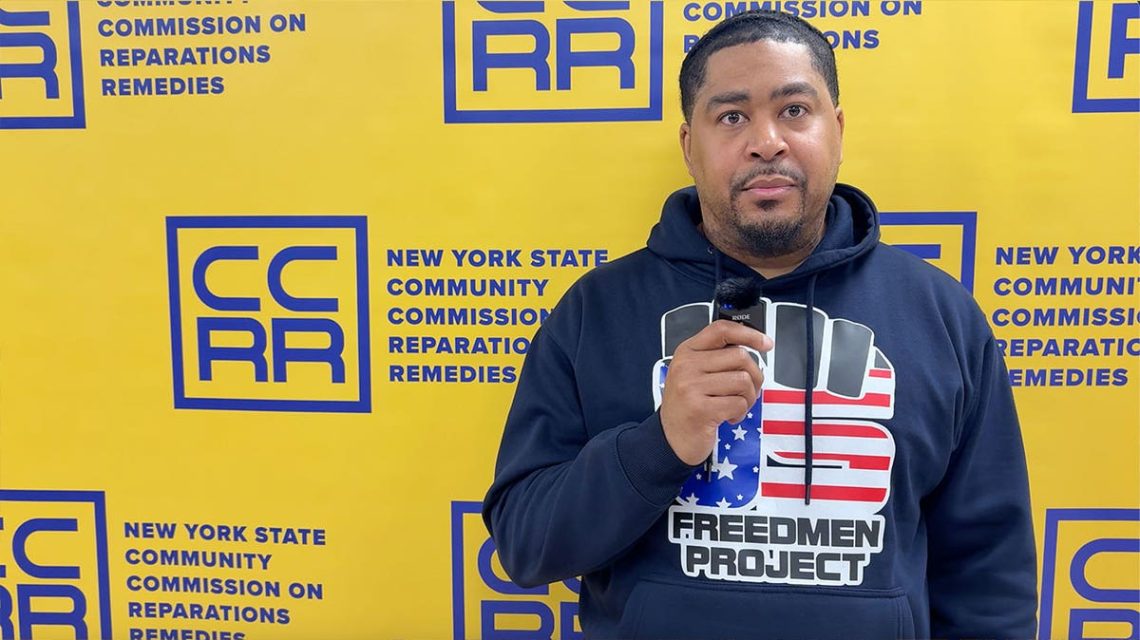
Advocates for reparations are pressing the federal government to provide direct cash payments to Black descendants of American slavery. They warn that expanding eligibility risks weakening the movement, especially amid growing opposition from conservatives and the Trump administration.
Rev. Phyllis Coachman, a proponent of the U.S. Freedmen Project, emphasized the importance of financial compensation. She explained that without cash payments, the reparations process remains incomplete. She also highlighted that the end of slavery in 1865 was followed by numerous adversities like the collapse of Reconstruction, Jim Crow laws, legal segregation, disenfranchisement, racial violence, property destruction, and housing discrimination.
“Cash payments—that’s just a little solution to it, but it’s a big solution because without cash payments, there’s no reparations,” Coachman told Fox News Digital.
Black New Yorkers are demanding cash reparations as they see government discussions on compensation for past racial injustices. The U.S. Freedmen Project educates the public on differences between Black Americans descended from enslaved persons and those who immigrated to the U.S. voluntarily. This nonpartisan organization aims to complete the missions of the 19th-century Freedmen’s Bureau and the Freedmen’s Savings and Trust Company.
Advocates believe broader reparations bills may infringe on constitutional principles. They assert that eligibility should be determined strictly by lineage. This debate arises as some state and local governments explore reparations to address historical racial injustices. For instance, Evanston, Illinois, became the first U.S. city to provide direct remedies including homeownership grants and cash payments to address historical housing discrimination.
Annette Wilcox, a reparations advocate, rebutted critics who label cash payouts as government handouts. She argued that the government has historically given significant sums as reparations to various groups, implying that such compensation for Black Americans is justified.
“My thoughts about people who say cash payments are handouts is this is a government that has given trillions of dollars to all sorts of people as reparations,” Wilcox shared with Fox News Digital.
The government has acknowledged and compensated other groups affected by historical injustices, including Native Americans and Japanese Americans. Wilcox believes the same responsibility applies to the descendants of enslaved Black people.
Reparations advocates view the issue as part of a broader push for structural changes in tackling the “racial wealth gap,” policing and incarceration, “environmental racism,” and “underfunded schools.” Fox News Digital previously reported on New York’s public hearing regarding these issues. Residents cautioned panel officials about the risk of broadening reparations definitions, which could divert the movement from its original purpose.
Governor Kathy Hochul’s decision to create a state panel to examine the legacy of slavery in New York and its possible remedies underscores the state’s commitment. During a public hearing on Long Island, Aubrey Muhammad, a U.S. Freedmen movement supporter, called for explicit payments to eligible individuals.
“We need $800,000 for each foundational Black American. That’s simple,” Muhammad stated. “In New York, that’s about the cost of living that’ll get you a home, a small business, or help you recover from financial duress.”
Despite different perspectives on monetary figures, Devine Prince, president of the U.S. Freedmen Project, insists on the non-negotiable nature of direct compensation. He stated that those who identify as true Americans should support reparations as a form of repairing historic harm to American freedmen.
“If you count yourself as a true American, then there should be no pushback and no rebuttals for direct monetary compensation for the harm that was done,” Prince said.
Joshua Q. Nelson reports on cultural trends, education, and public policy for Fox News Digital. Since joining in 2019, he has extensively covered reparations developments, the Department of Education, and immigration issues.
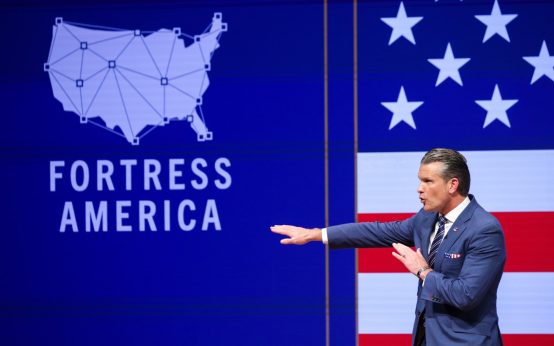 Defense Secretary Announces Six Major Military Initiatives
 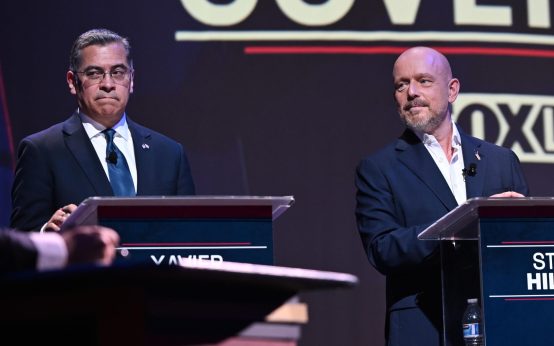 California Governor Debate: Becerra vs. Hilton
 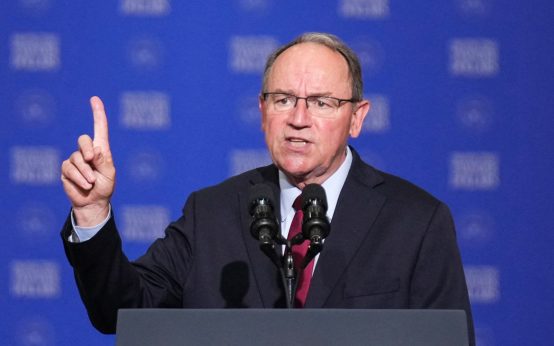 Wisconsin Governor Race: Poll Reveals Tight Contest Between Tiffany and Crowley
 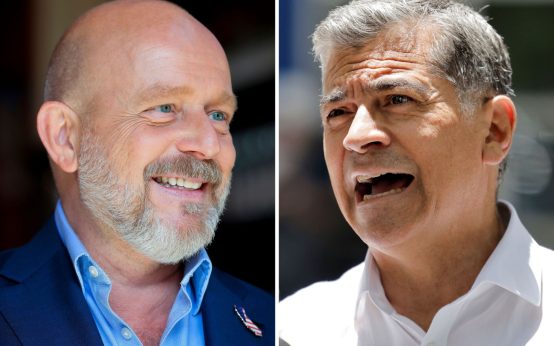 Becerra and Hilton Debate Marks Crucial Moment in California Governor Race
  Gavin Newsom’s Political Vision: Learning from Bill Clinton
  Conservative California Candidate Faces Union Criticism