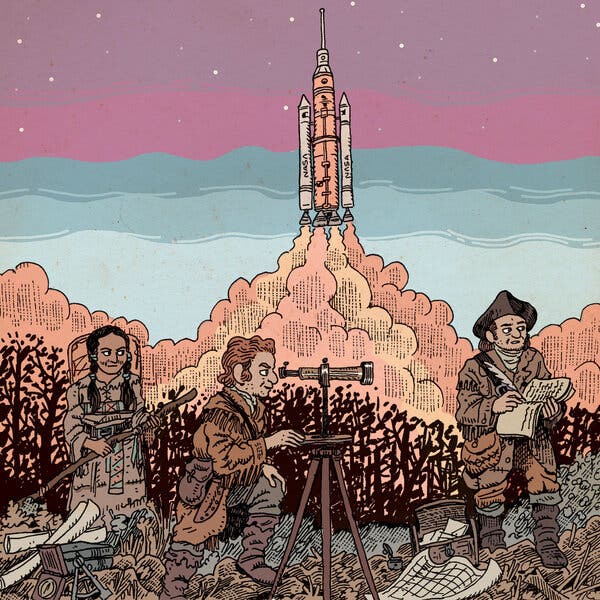
The Trump administration’s suspension or cancellation of 7,840 research grants in a single year raised eyebrows. These drastic measures, reported by the journal Nature, affected scientists backed by the National Science Foundation and the National Institutes of Health. Each week brought new proposals to cut funding for agencies like the Forest Service and NASA. Such cuts were not just a step away from America’s future. They disregarded a tradition that dates back to the early years of the nation.
Meriwether Lewis and William Clark are emblematic of America’s long history of public investment in research. In 1804, Lewis and Clark embarked on a journey to discover a trade route from the Missouri River, through the Rocky Mountains, to the Pacific Ocean. However, securing funding for the expedition was no easy task. President Thomas Jefferson had to persuade Congress to approve the financing.
America’s leaders have debated research funding since the nation’s inception.
Jefferson initially requested $2,500, aware that the trip required more. Upon their return in 1806, the War Department calculated the expedition cost at $38,722.25. Including all documented expenses, the total exceeded $100,000. During that era, the federal budget was approximately $10 million annually, meaning the expedition comprised a significant portion of government spending.
The budget primarily supported scientific endeavors. Jefferson tasked Lewis with collecting extensive data across several disciplines, including botany, zoology, and geology. Lewis met with prominent scientific figures before departure, as Jefferson doubted their ability to endure the demanding journey. The president believed converting a soldier into a scientist was much simpler.
Throughout the journey, every expedition member contributed to the research. Clark aided in mapmaking and recording astronomical data, which remain impressively precise. Sacajawea, a Shoshone guide, gathered plant samples, while York, Clark’s enslaved man, collected invertebrates. Lewis, known for his intense and exact nature, documented countless observations, from antelope pregnancies to squirrel fur hues.
Though scientific achievements motivated the explorers, the mission also served imperial interests. During the Enlightenment, science intertwined with statecraft. Jefferson anticipated sharing the findings globally to support America’s territorial claims. Lewis and Clark also envisioned expansion, though they overlooked the repercussions for Native populations. On the return journey, the group followed a Native trail, which Clark envisioned transforming into a significant wagon road.
The information gathered by Lewis and Clark profoundly impacted America, beginning with the fur trade. A trader followed Lewis’s guidance and established a Pacific Coast trading post. Yet, the unpredictable nature of research was evident. Clark’s anticipated road didn’t facilitate American expansion. Instead, the Oregon Trail, located far south, became pivotal. However, the employee who discovered that mountain pass worked for a post founded on Lewis’s recommendations, linking their exploratory work to the West’s development.
 The Discovery of Incendiamoeba cascadensis: A Fire Amoeba
  Archaeological Discovery in Germany: Largest Hoard of Roman Coins Found
  Hurricane Formation and Strengthening
 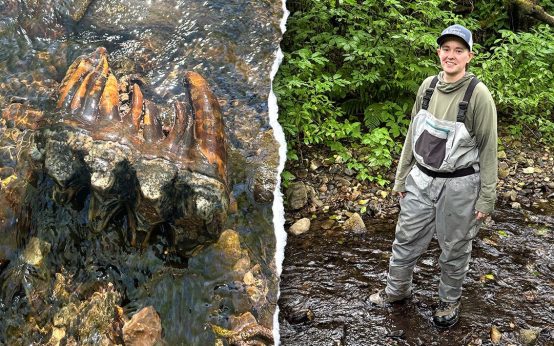 Ancient Mastodon Tooth Unearthed in California Creek
  The Tiny World of the Pumpkin Toadlet
 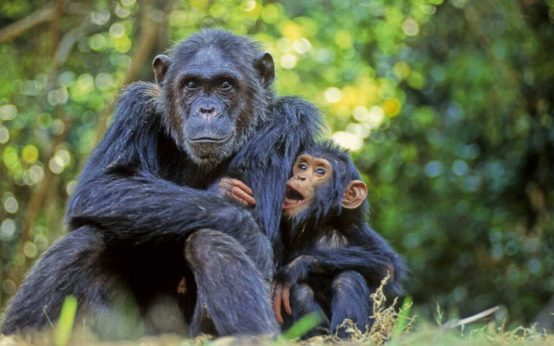 Chimps and Self-Medication: Insights from Gombe Stream