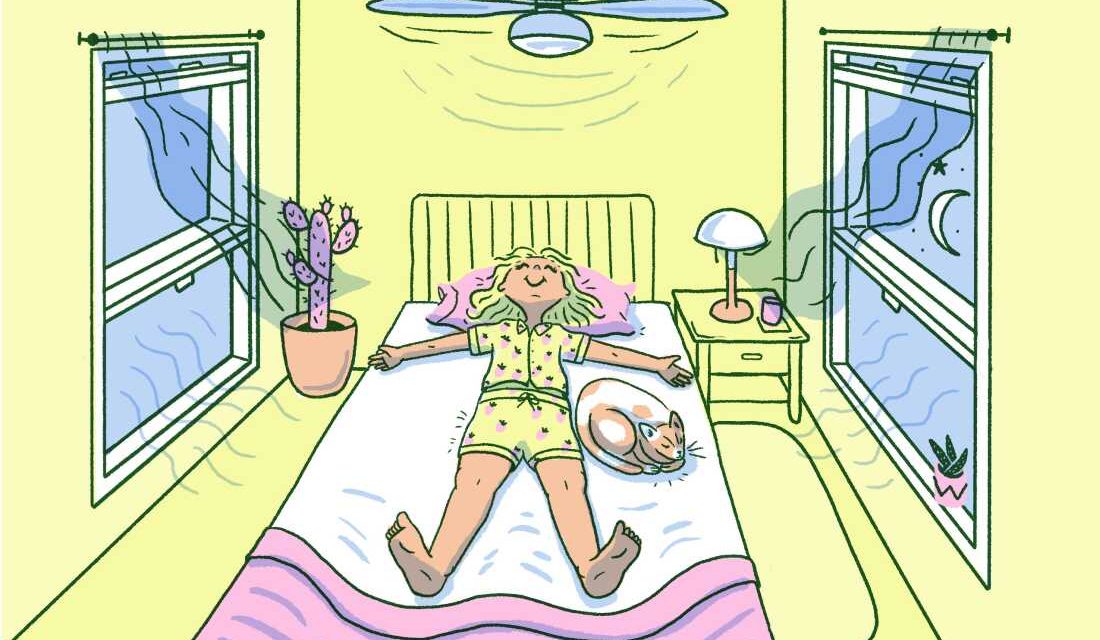
Climate solutions for reducing home energy use can be simple, and sometimes free, according to Dorit Aviv, assistant professor of architecture at the University of Pennsylvania. NPR dedicates a week to exploring solutions for living on a warmer planet. Our homes consume significant energy, contributing over a fourth of the world’s carbon dioxide pollution from building operations. Switching to less polluting appliances, such as heat pumps instead of gas furnaces, offers one solution. However, you can enhance climate-friendliness without new appliance purchases.
A key aspect of energy-efficient homes is managing heat gain in summer and heat loss in winter, says Aviv. Below are five practical ways to lessen your home’s climate impact, bolster resilience, and cut energy bills.
Open Windows
People tend to depend on thermostats and air conditioning to regulate home temperature. Yet during temperate times, like spring or evenings, consider natural ventilation techniques. Air conditioners rely on electricity and release harmful hydrofluorocarbons. Aviv suggests simply opening windows for comfort and maximizing airflow with cross-ventilation. Research indicates natural ventilation may save energy by up to 45%, dependent on climate.
Utilize Ceiling Fans
Ceiling fans are often overlooked in favor of air conditioning. While fans don’t cool air, they improve airflow, providing sufficient cooling in certain areas. Their energy consumption is far lower. Australian studies show ceiling fans can cut energy use and emissions by 76% compared to air conditioners. Turn on ceiling fans and optimize benefits by also opening windows.
Reflective Roofing
The roof absorbs sunlight, increasing indoor heat. Consider a reflective roof coating. Black or dark-colored roofs absorb heat, whereas white or silvery roofs reflect sunlight, lessening cooling demand. Consult a roofer familiar with reflective options to help decrease utility costs.
Exterior Shades
Install shades outside your home in hot climates suggests Daniel Barber, professor at Eindhoven University of Technology. Interior blinds cause heat to build between the curtain and windowpane, while exterior blinds prevent heat from entering. Mediterranean regions already use exterior shutters to block heat.
Seal Air Leaks
Heat escapes easily through openings during cool months, and enters during warm months. Look for cracks around windows and doors. Nancy “Nan” Ma, at Worcester Polytechnic Institute, offers upgrading windows as one option. Alternatively, inexpensive weather stripping, with tape or rubber around window frames, can improve sealing. These materials often cost under $10, available at hardware stores or online.
 Cold Weather Alerts and El Niño Influence
  Turning Home Food Waste into Compost: A Guide
  Chicagohenge: When Sunlight Aligns with City Streets
  Fat Bear Week 2026: A Look at the Contest and Its Competitors
  California Governor Declares Statewide Emergency Ahead of El Niño Storms
  EPA Rollbacks and the Impact on Indiana Communities